IntermediatePeacefulReef Safe
Exquisite Fairy Wrasse
Cirrhilabrus exquisitus
Family: Labridae · Fairy & Flasher Wrasses
Also known as: Exquisite Wrasse, Pacific Fairy Wrasse
Jan Ebr & Ivana Ebrová
Max Size
5"
Min Tank
55 gal
Lifespan
5-8 years
Origin
Indo-Pacific, Western Pacific
Diet
Planktivore
Swims
Middle
About
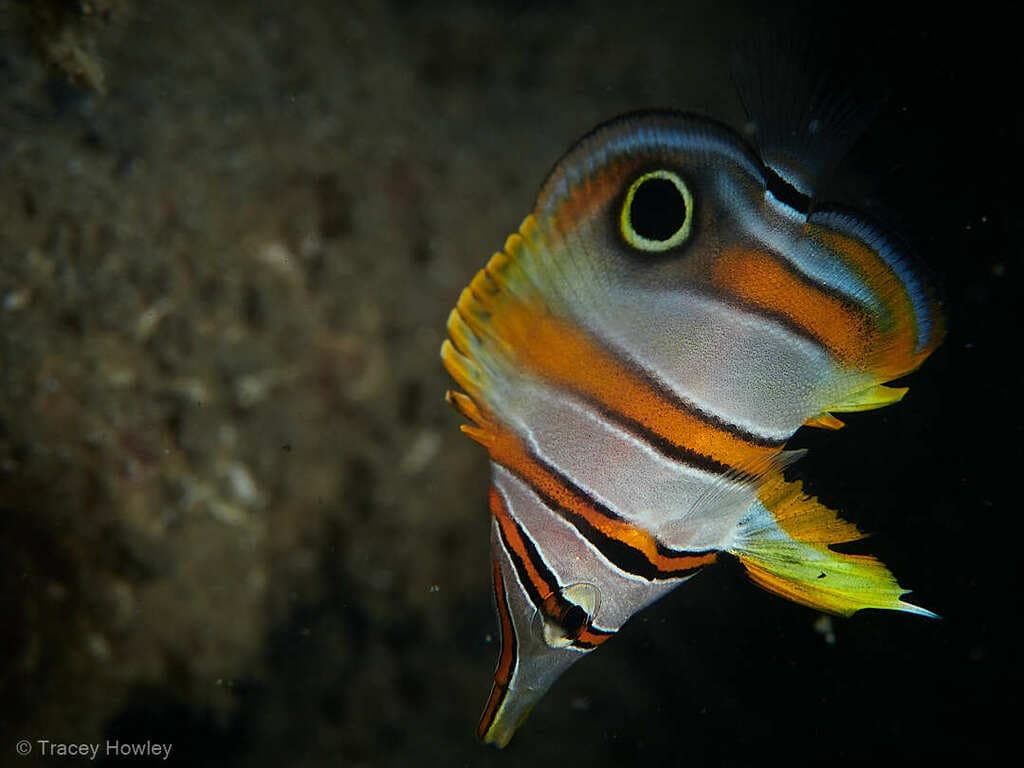
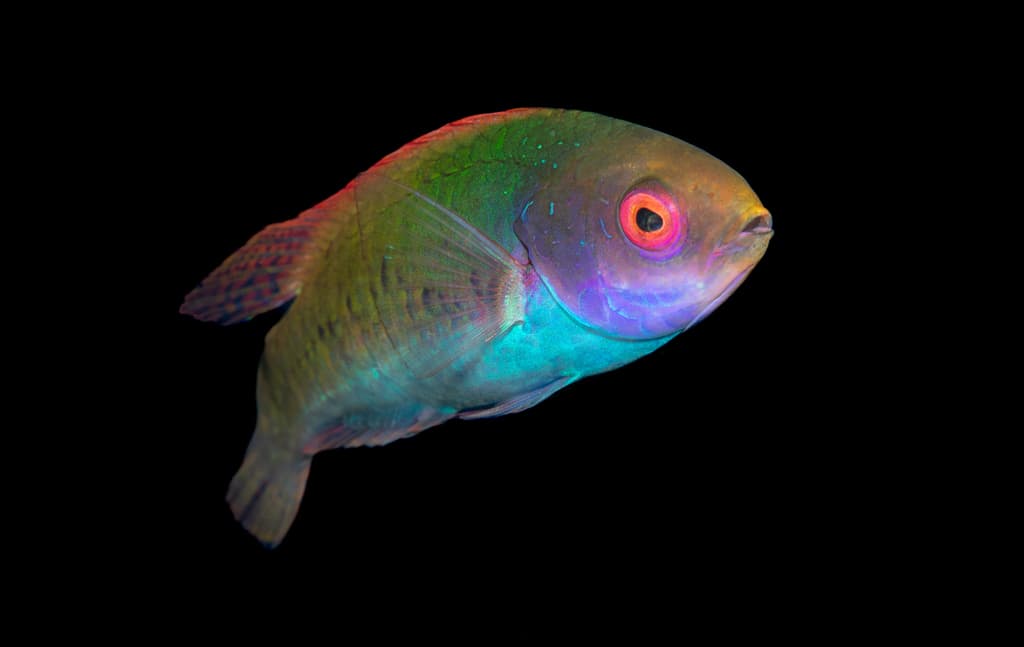
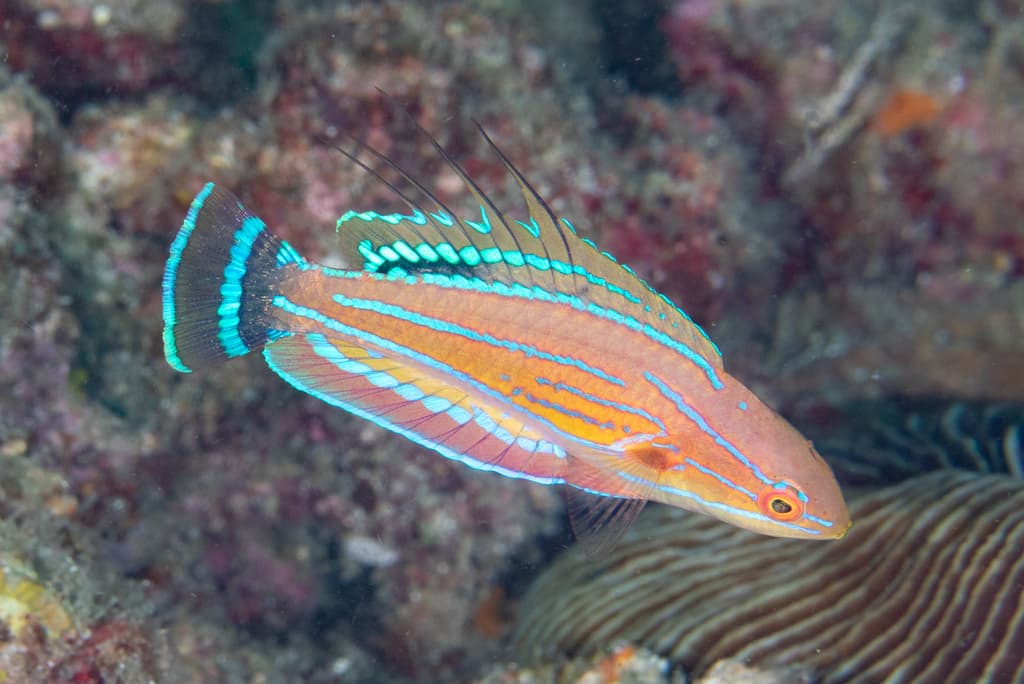
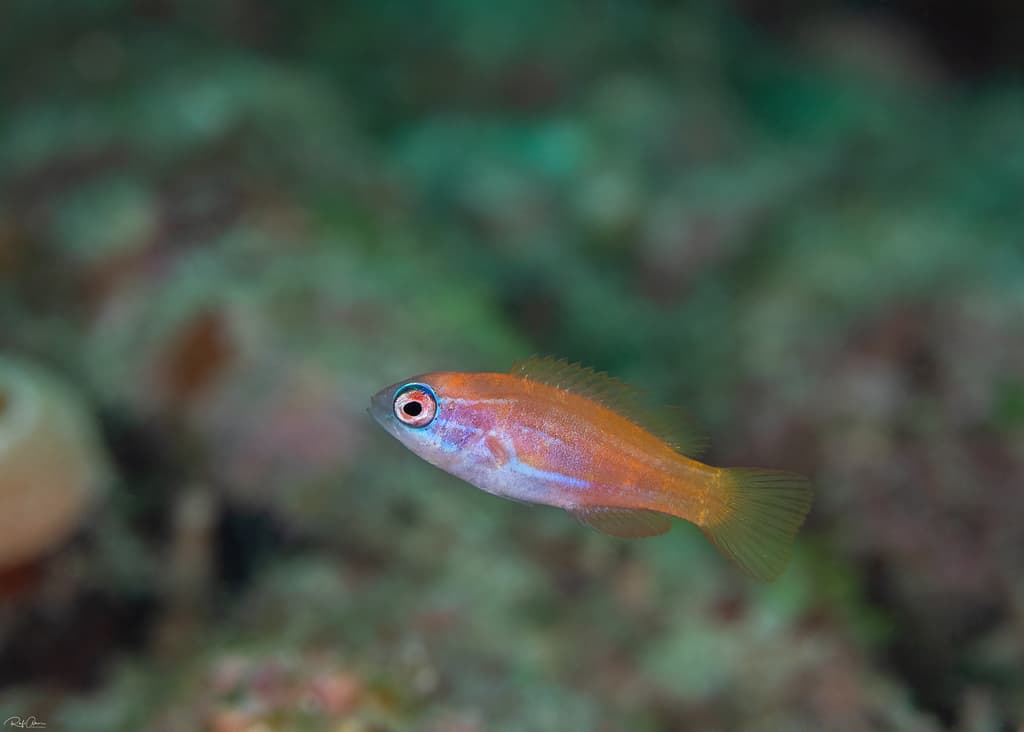
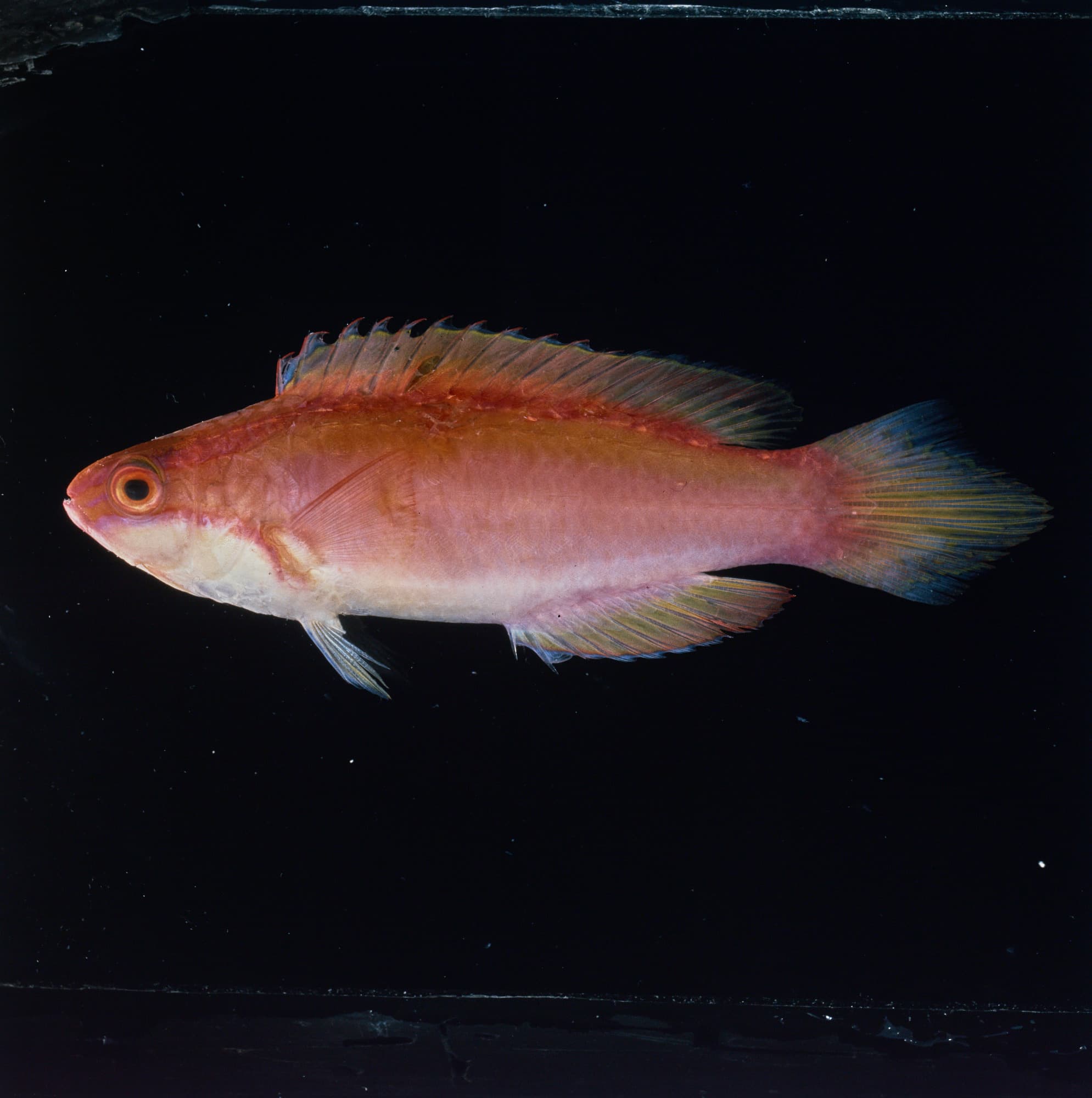
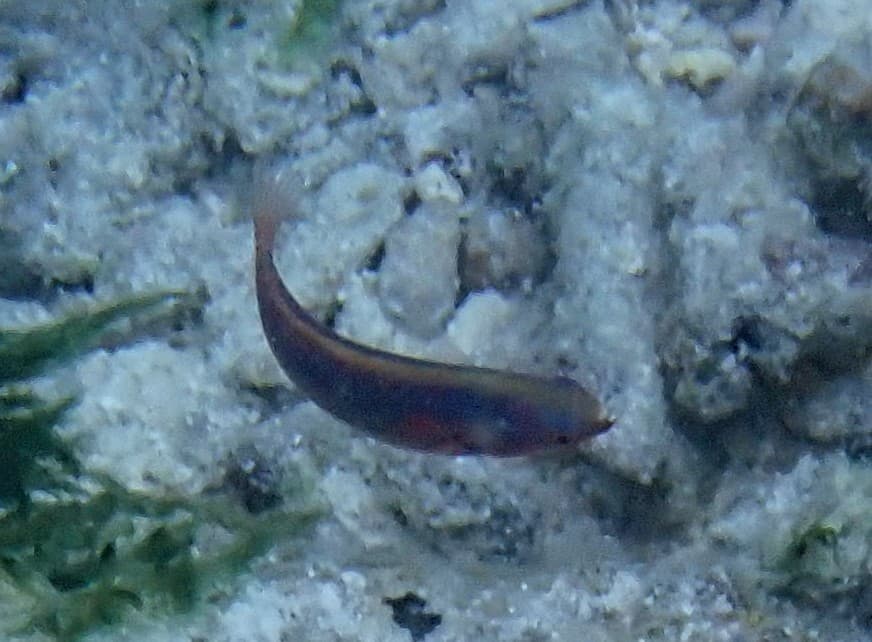
The Exquisite Fairy Wrasse is a subtly beautiful species with an understated elegance that sets it apart from the flashier fairy wrasses. Males display a mosaic of green, blue, orange, and red markings that become significantly more vivid during courtship displays. The body has a greenish base color overlaid with delicate streaks and highlights. Females are more conservatively colored with a reddish-pink body and a dark spot at the base of the pectoral fin.
This is one of the hardier and more widely distributed fairy wrasses in the hobby, making it an excellent choice for aquarists new to the Cirrhilabrus genus. It is completely reef-safe and peaceful toward virtually all tankmates, spending most of its time swimming actively in the middle and upper water column. Males will occasionally flash their colors at rival males, but these interactions rarely result in any aggression.
Like all fairy wrasses, the Exquisite Fairy Wrasse is a dedicated jumper and requires a tight-fitting lid. It thrives in reef aquariums with moderate water flow, ample swimming space, and plenty of live rock to retreat into when startled. Multiple small feedings of planktonic foods throughout the day will keep this species in optimal condition.
Feeding & Diet
Planktivore
Exquisite Fairy Wrasses feed on zooplankton in the wild. In captivity, offer frozen mysis shrimp, enriched brine shrimp, cyclops, and high-quality marine pellets. Multiple small feedings per day are recommended to maintain body condition and coloration.
Compatibility
reef-safepeacefulcommunity-safeplanktivoredisplay-fish
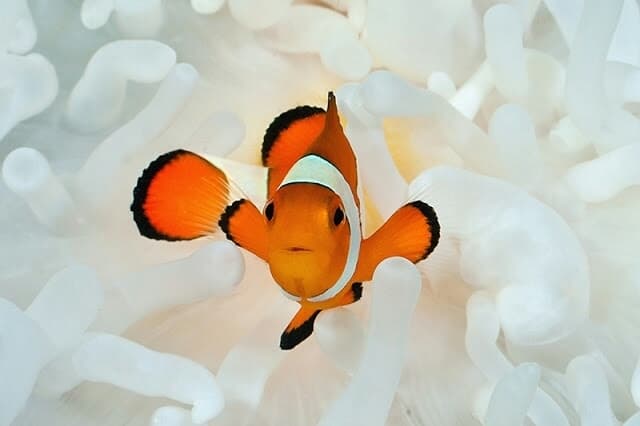
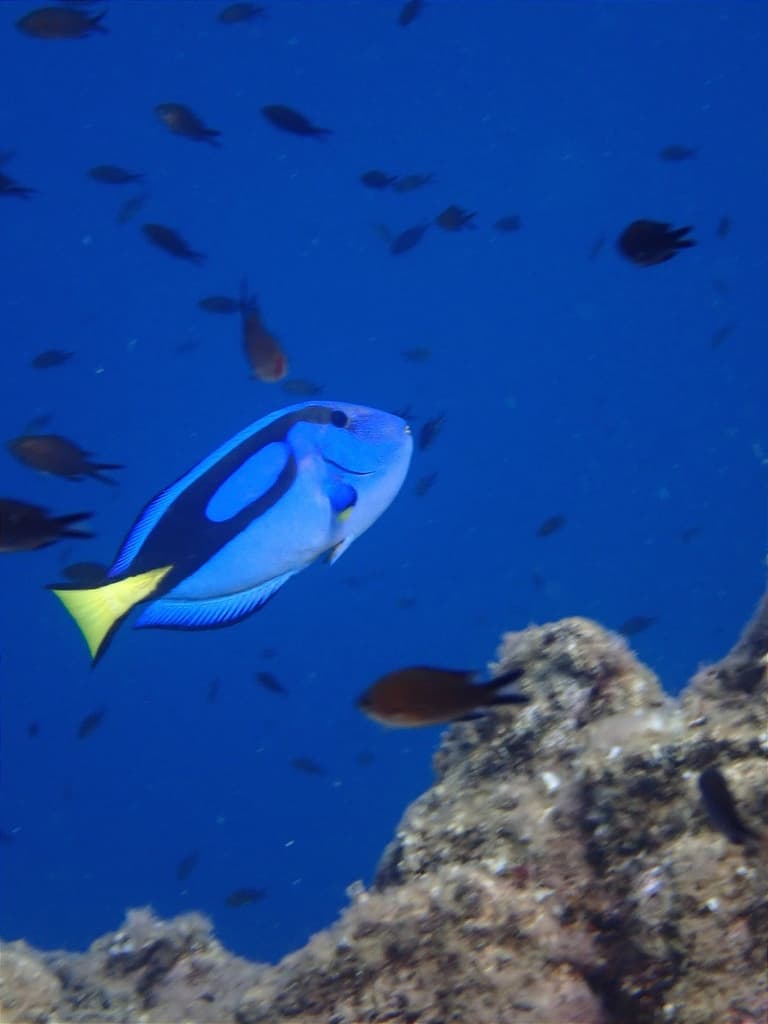
The Exquisite Fairy Wrasse is peaceful toward all tankmates and completely reef-safe. Males may spar with other fairy wrasse species, so keep only one Cirrhilabrus species per tank unless the aquarium is very large. Excellent community fish compatible with clownfish, tangs, gobies, and blennies.
Check CompatibilityBreeding
Not bred in captivity
Exquisite Fairy Wrasses are protogynous hermaphrodites. The dominant female in a group will transform into a male. Males perform elaborate courtship displays at dusk, releasing pelagic eggs. Captive breeding has not been achieved due to the tiny larval size and specialized feeding requirements.
Special Requirements
- Tight-fitting lid essential - notorious jumper
- Multiple small feedings per day recommended
- Moderate water flow preferred
- Open swimming space in middle and upper water column
- Best kept as the only Cirrhilabrus species in smaller tanks
Water Parameters
Temperature74–80°F
Specific Gravity1.02–1.026 sg
pH8.1–8.4
Alkalinity8–12 dKH
Coloration
greenblueorangeredpink
Tags
reef-safepeacefulcommunity-safeplanktivoredisplay-fish