IntermediatePeacefulReef Safe
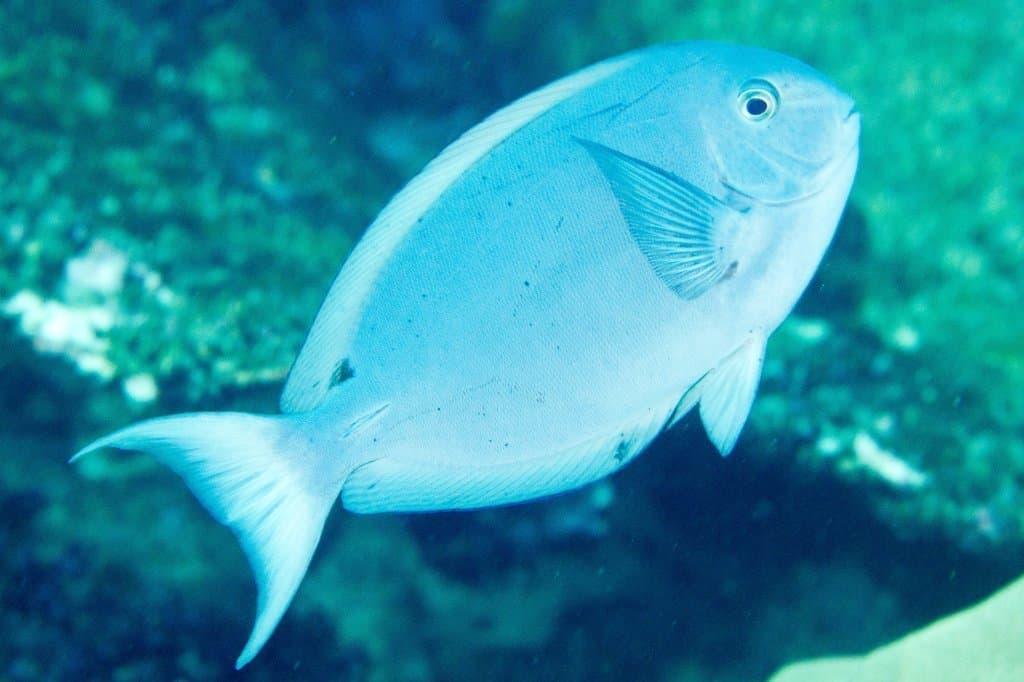
Thompson's Tang
Acanthurus thompsoni
Family: Acanthuridae · Tangs & Surgeonfish
Also known as: Thompson's Surgeonfish, Chocolate Tang, Thompson's Unicornfish
(c) Hickson Fergusson, all rights reserved
Max Size
10"
Min Tank
125 gal
Lifespan
10-15 years
Origin
Indo-Pacific, Hawaii
Diet
Omnivore
Swims
All
About
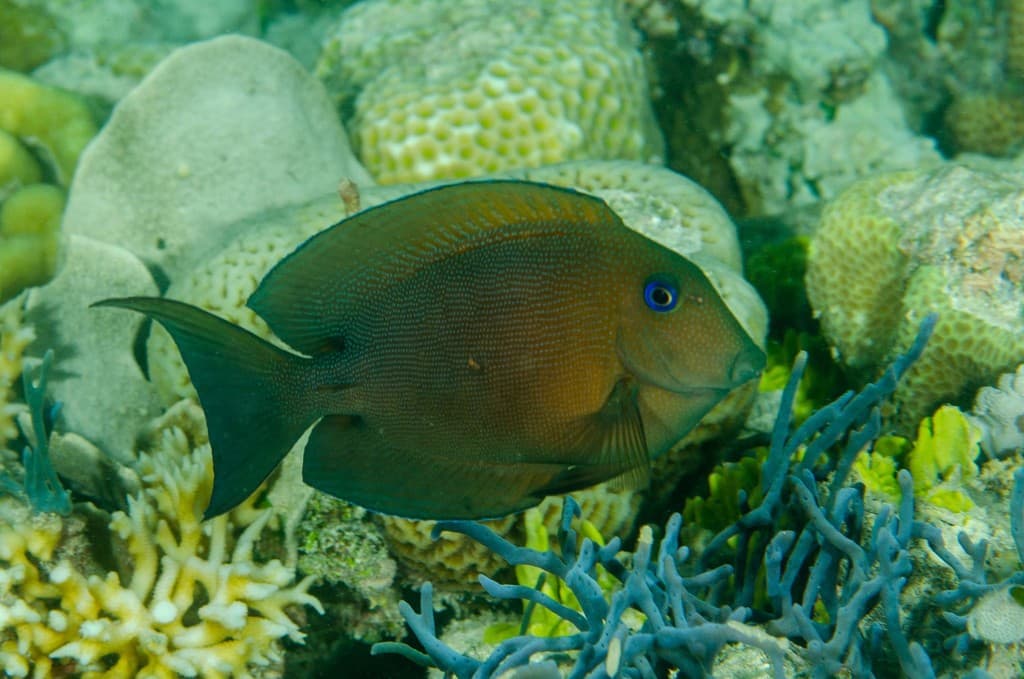
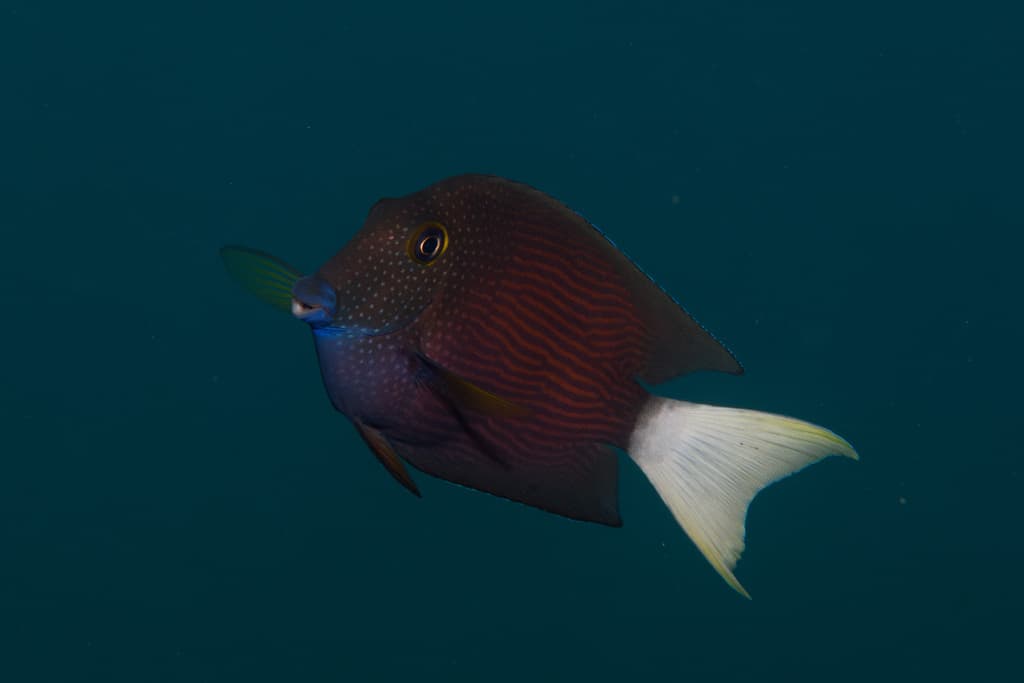
Thompson's Tang is a unique and somewhat unusual member of the surgeonfish family that stands apart from its relatives in several significant ways. Unlike the vast majority of tangs that are dedicated herbivores or detritivores, Thompson's Tang is primarily a planktivore, feeding on zooplankton in the water column rather than grazing algae from reef surfaces. Adults display a uniform chocolate-brown to dark grayish-brown body with a lighter colored tail, creating a simple but dignified appearance. The body shape is more streamlined and fusiform than the typical laterally compressed tang profile, reflecting its adaptation to mid-water feeding.
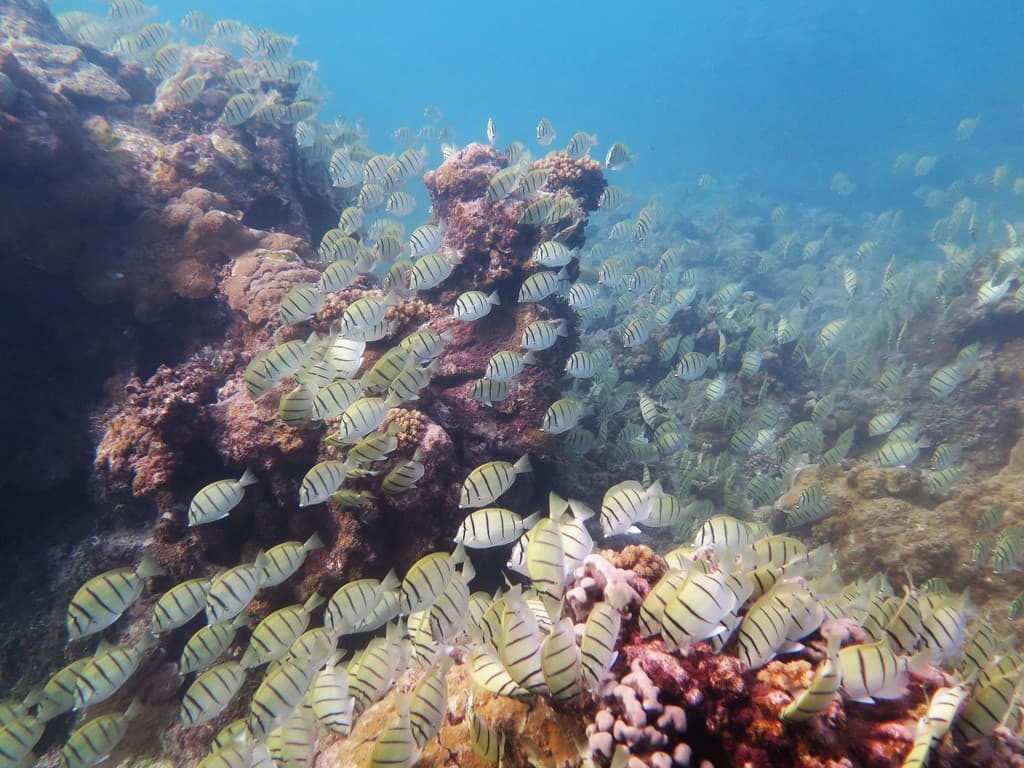
In the wild, Thompson's Tang is found across the Indo-Pacific from Hawaii to the Great Barrier Reef, typically inhabiting steep outer reef slopes and drop-offs where currents deliver rich supplies of zooplankton. It is one of the few tang species that regularly forms large schools, sometimes numbering in the hundreds, that hover in the water column above the reef, picking off passing plankton. This schooling and planktivorous lifestyle makes it ecologically distinct from most other surgeonfish and influences its care requirements in captivity.
In the home aquarium, Thompson's Tang requires a minimum of 125 gallons with strong water flow to simulate the current-rich environments it prefers. Its planktivorous diet means it readily accepts meaty foods like mysis shrimp, enriched brine shrimp, and high-quality pellets, alongside the algae-based foods that should still form part of its diet. It is one of the most peaceful tang species available, rarely showing aggression toward tankmates, making it an excellent community fish. Completely reef-safe, it will not harm corals or invertebrates.
Feeding & Diet
Omnivore
Thompson's Tangs are primarily planktivores, unlike most other tang species. In captivity, offer a mix of meaty foods such as mysis shrimp, enriched brine shrimp, and high-quality marine pellets, alongside daily sheets of dried nori or seaweed. Frozen preparations containing both herbivore and carnivore blends work well. Their willingness to accept meaty foods makes them easier to feed than strictly herbivorous tangs.
Compatibility
reef-safeactive-swimmerpeacefulcommunity-safeplanktivoreschooling
Thompson's Tang is one of the most peaceful tang species available and an excellent community fish. Its planktivorous diet means it rarely competes with herbivorous tangs for food, reducing aggression. Compatible with virtually all reef-safe species including clownfish, wrasses, gobies, anthias, and other tangs. Can be kept in groups in very large systems.
Check CompatibilityBreeding
Not bred in captivity
Thompson's Tangs have not been bred in home aquariums. They are pelagic spawners that form large spawning aggregations in the wild. The larvae undergo an extended planktonic phase typical of surgeonfish. All specimens in the trade are wild-caught from various Indo-Pacific locations.
Special Requirements
- Requires minimum 125-gallon tank with strong water flow
- Primarily a planktivore - needs meaty foods in addition to algae
- Strong currents essential to replicate natural feeding environment
- Quarantine recommended as tangs are susceptible to ich
- Can be kept in groups in very large systems (300+ gallons)
- Supplement diet with vitamin-enriched foods to prevent HLLE
Water Parameters
Temperature72–80°F
Specific Gravity1.02–1.026 sg
pH8.1–8.4
Alkalinity8–12 dKH
Coloration
brownchocolategraywhite
Tags
reef-safeactive-swimmerpeacefulcommunity-safeplanktivoreschooling