IntermediatePeacefulNot Reef Safe
Horn Shark
Heterodontus francisci
Family: Heterodontidae · Sharks & Rays
Also known as: California Horn Shark, Bullhead Shark, Pig Shark
(c) Tyler Hobbs, all rights reserved
Max Size
48"
Min Tank
300 gal
Lifespan
20-25 years
Origin
Eastern Pacific, California
Diet
Carnivore
Swims
Bottom
About
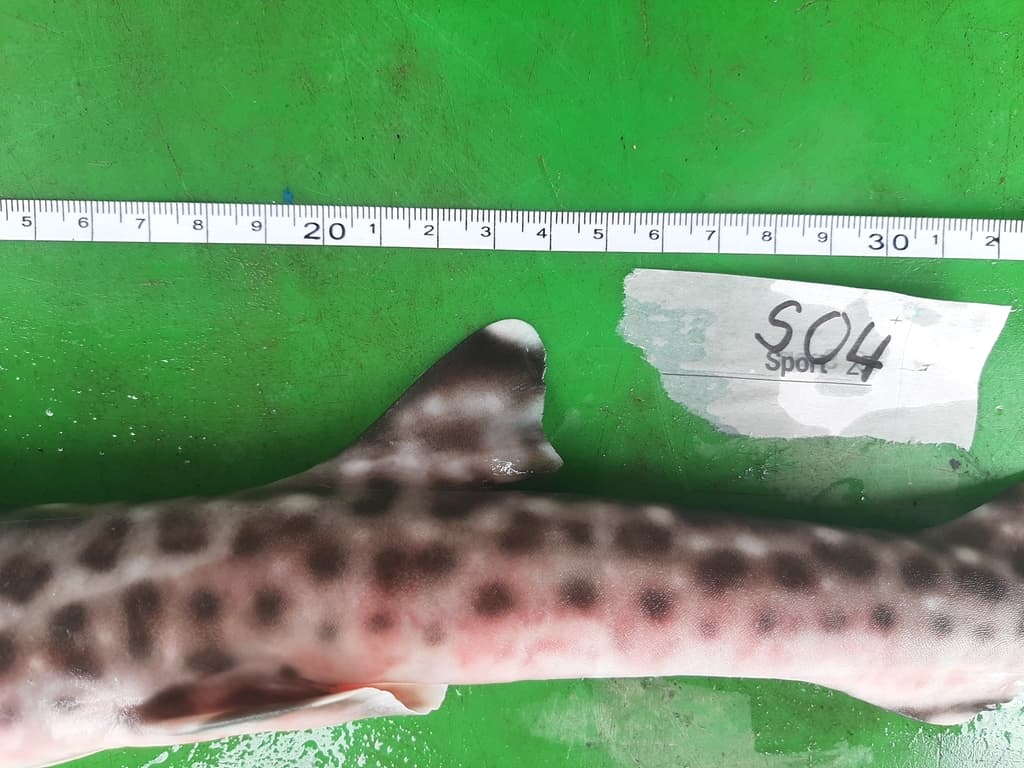
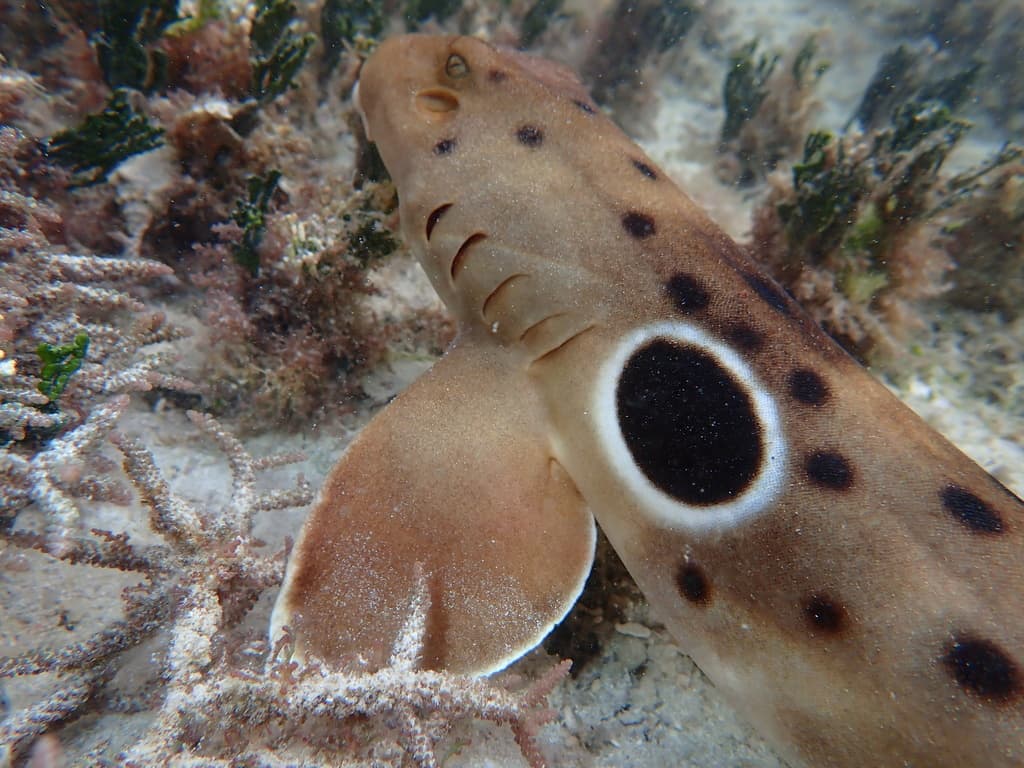
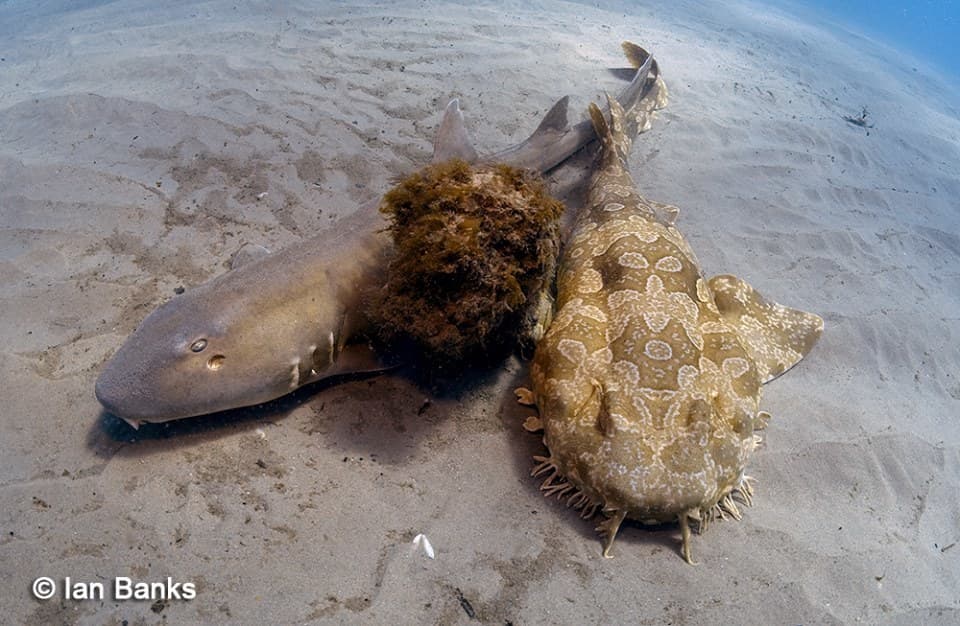
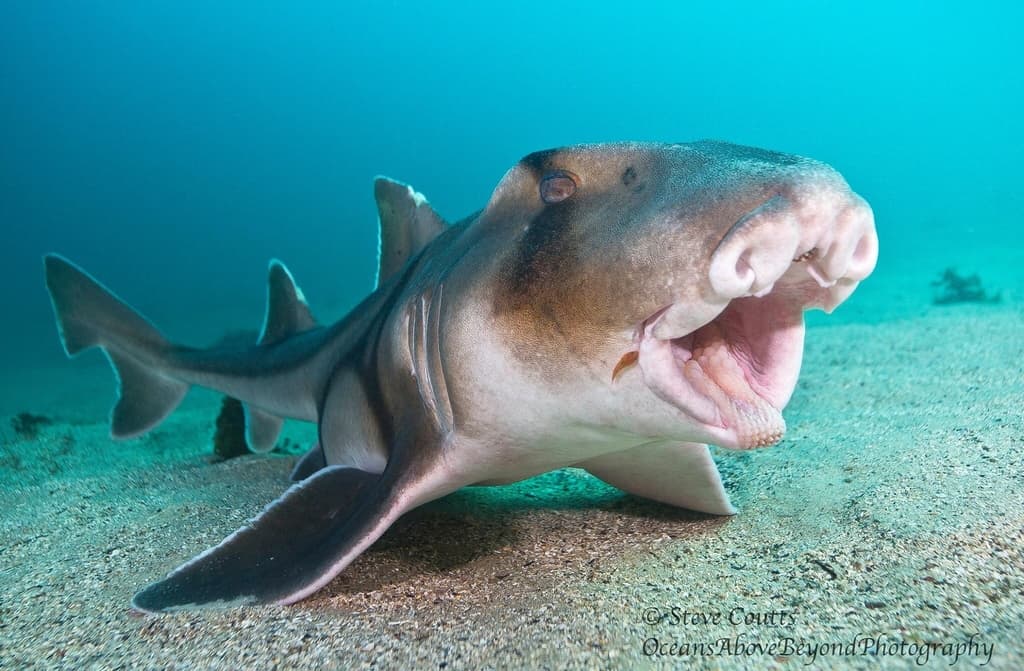
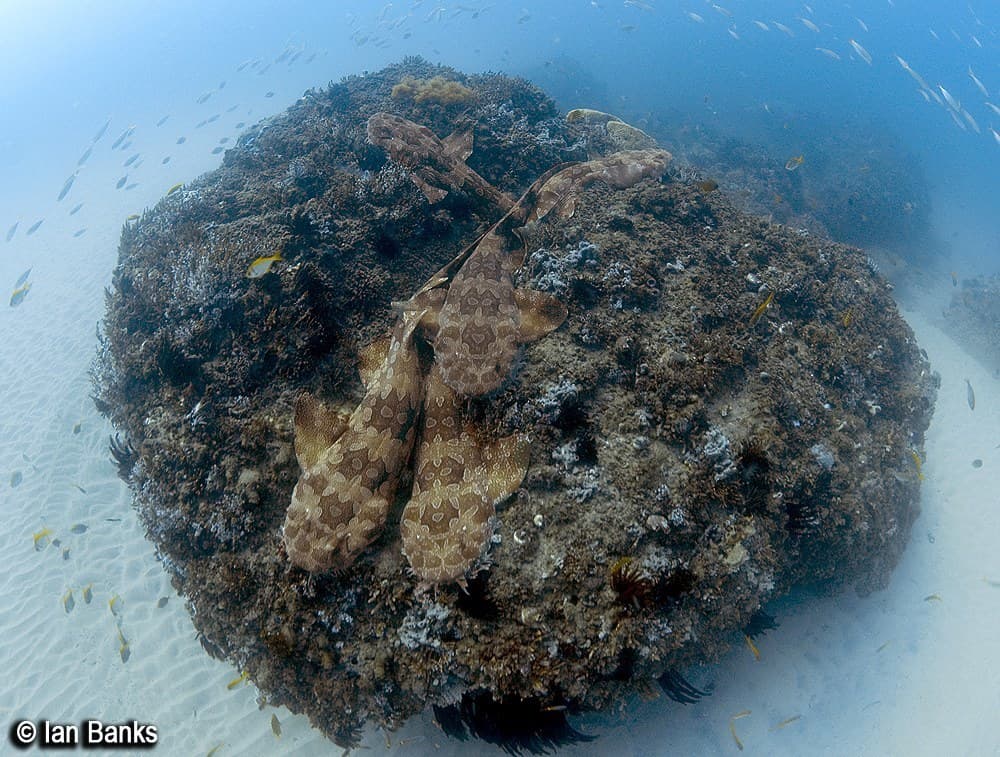
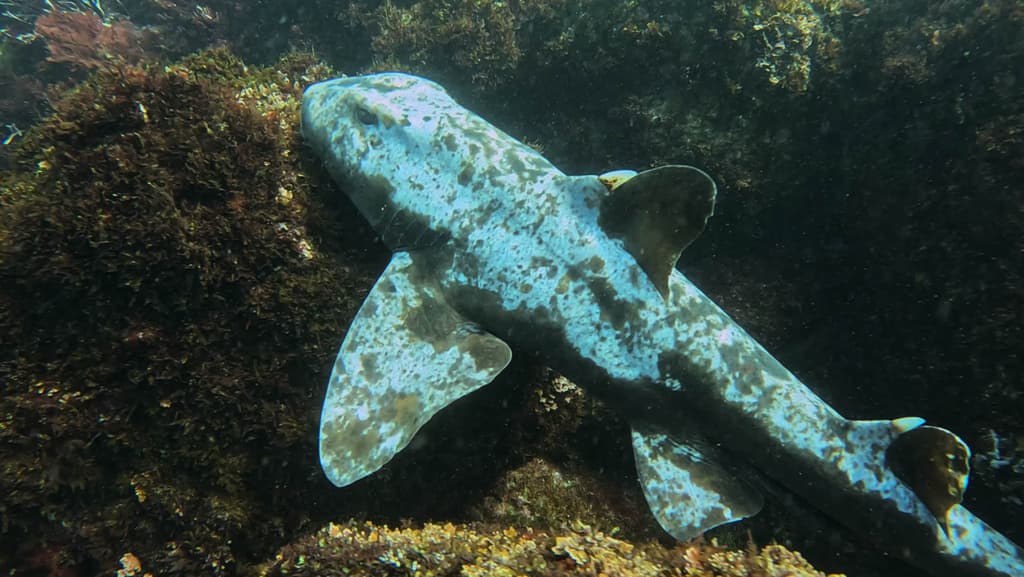
The Horn Shark is a stout, slow-moving bullhead shark native to the kelp forests and rocky reefs of the Eastern Pacific, from central California to the Gulf of California. It gets its common name from the prominent spine located at the front of each dorsal fin, which serves as a defensive weapon against predators. Its body is tan to grayish-brown with scattered dark spots, and its head features a blunt, pig-like snout and prominent ridges above the eyes that give it a characteristically grumpy expression.
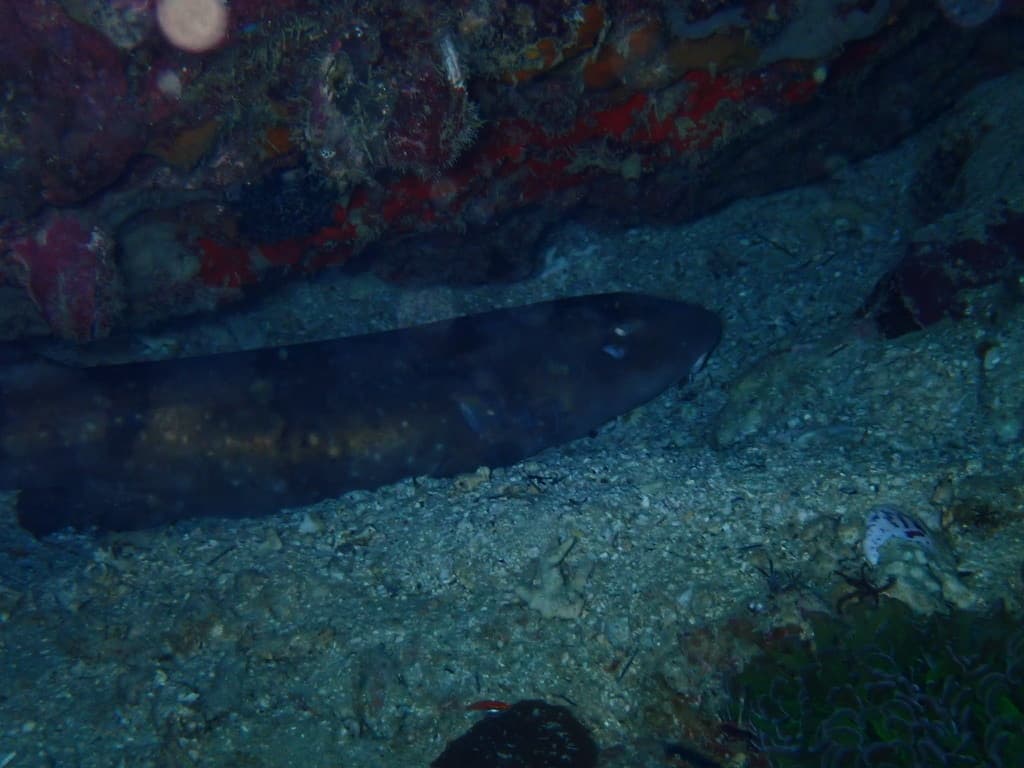
Reaching about 48 inches in length, the Horn Shark is a nocturnal, bottom-dwelling species that spends its days wedged into rocky crevices and caves, emerging at night to hunt for sea urchins, crabs, snails, and other hard-shelled invertebrates. Its heterodont dentition, meaning it has different types of teeth in different parts of its jaw, is perfectly adapted for this diet: small, pointed front teeth for grasping prey and flat, molar-like rear teeth for crushing shells. Its teeth are strong enough to crack open the spines and shells of sea urchins with ease.
The Horn Shark is a temperate species, which is an important consideration for aquarium keeping. It prefers water temperatures between 60 and 72 degrees Fahrenheit, significantly cooler than typical tropical marine aquariums. A chiller is almost always required to maintain these temperatures. A minimum tank of 300 gallons with a wide footprint, fine sand substrate, and ample rockwork caves is necessary. While docile and generally easy to care for, the Horn Shark's specialized temperature requirements and eventual large size make it a commitment best suited to experienced aquarists with dedicated shark systems.
Feeding & Diet
Carnivore
Horn Sharks are specialized predators of hard-shelled invertebrates including sea urchins, crabs, snails, and clams. In captivity, offer raw shrimp, squid, clam on the half shell, mussels, and silversides. They enjoy crushing hard-shelled prey items, which helps wear down their teeth naturally. Feed every two to three days. Vitamin-enriched seafood is recommended.
Compatibility
not-reef-safepeacefulpredatorlarge-tank-requiredbottom-dwellernocturnalcold-water
The Horn Shark is peaceful toward fish too large to consume. Its primary compatibility challenge is its requirement for cooler water temperatures, which limits potential tankmates to other temperate species. Compatible with other temperate species like Catalina gobies, garibaldi, and other cool-water fish. Will consume any crustacean, sea urchin, or small invertebrate. Can be kept with other Horn Sharks in very large systems.
Check CompatibilityBreeding
Moderate
Horn Sharks are oviparous, laying distinctive spiral-flanged egg cases that are often called mermaid's purses. The female deposits the corkscrew-shaped eggs and wedges them into rocky crevices for protection. Eggs hatch after approximately 6 to 10 months depending on temperature. Captive breeding has been achieved in public aquariums, and hatchlings are about 6 inches long.
Special Requirements
- CRITICAL: Temperate species requiring cooler water (60-72F) - chiller almost always required
- Minimum 300-gallon tank with wide, long footprint
- Fine sand substrate essential to protect ventral surface
- Ample rocky caves for daytime hiding
- Strong filtration and protein skimmer required for heavy bioload
- Will eat all crustaceans, urchins, and small invertebrates
- Nocturnal - most active at night
- Dorsal fin spines can cause painful puncture wounds - handle with care
- Avoid copper-based medications - toxic to sharks
Water Parameters
Temperature60–72°F
Specific Gravity1.02–1.026 sg
pH8.1–8.4
Alkalinity8–12 dKH
Coloration
tanbrowngrayspotted
Tags
not-reef-safepeacefulpredatorlarge-tank-requiredbottom-dwellernocturnalcold-water