IntermediatePeacefulNot Reef Safe
Whitespotted Bamboo Shark
Chiloscyllium plagiosum
Family: Hemiscylliidae · Sharks & Rays
Also known as: White-Spotted Bamboo Shark, Whitespotted Cat Shark, Bamboo Shark
(c) Erica, some rights reserved (CC BY-NC)
Max Size
38"
Min Tank
300 gal
Lifespan
15-25 years
Origin
Indo-Pacific, India
Diet
Carnivore
Swims
Bottom
About
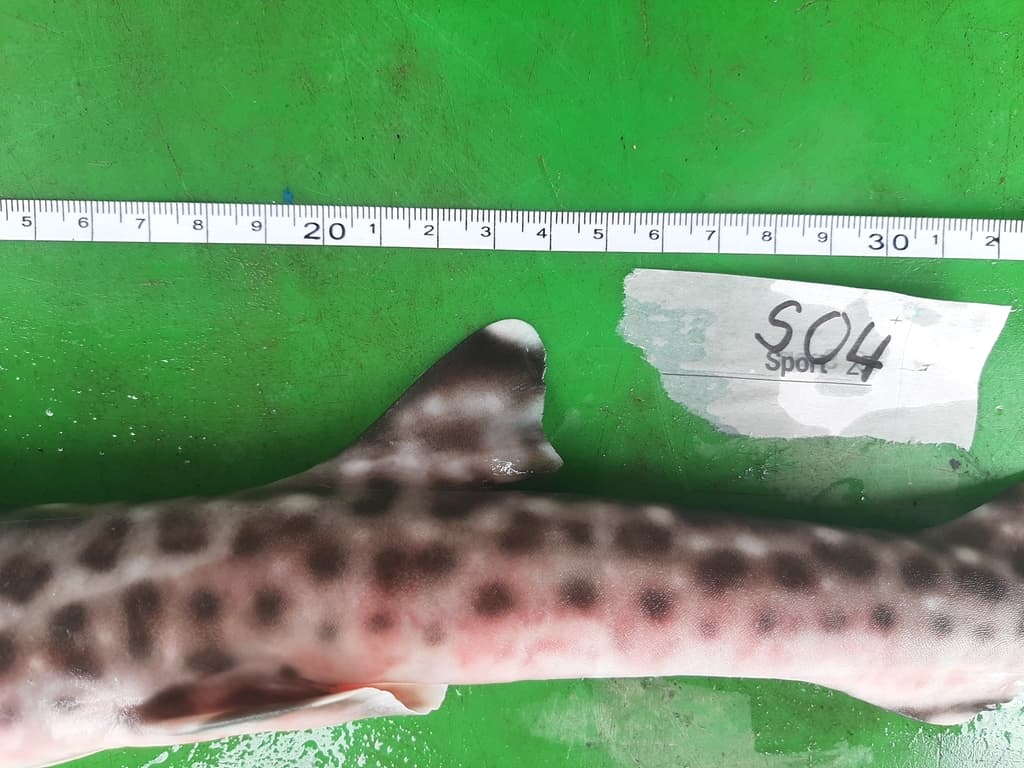
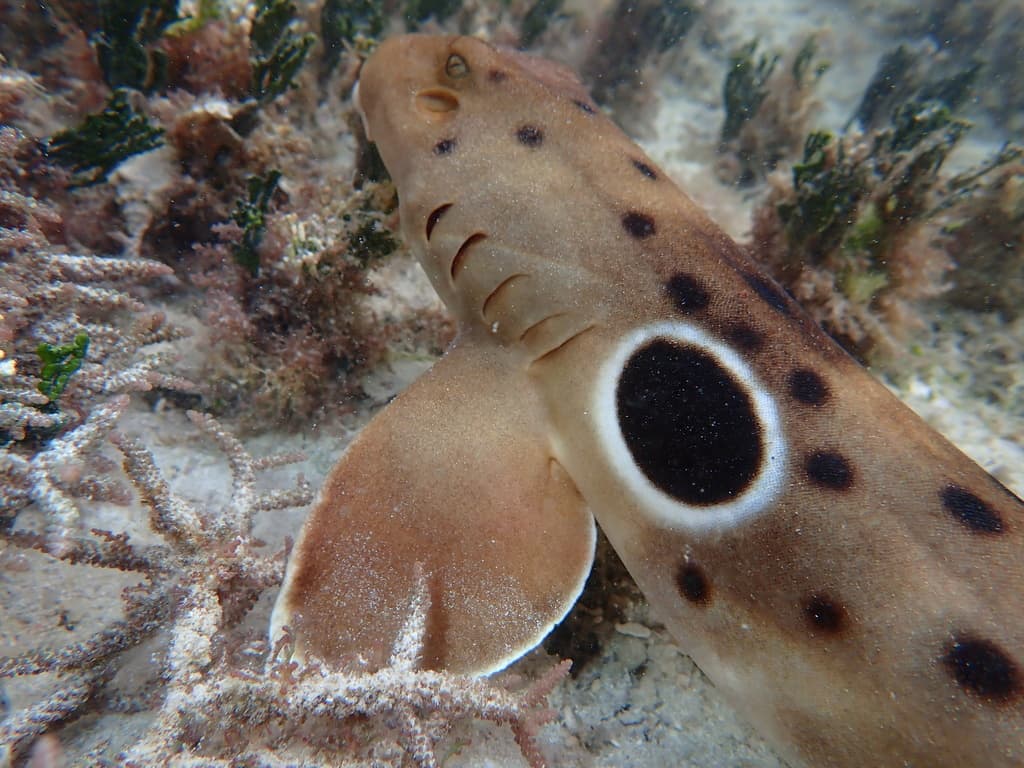
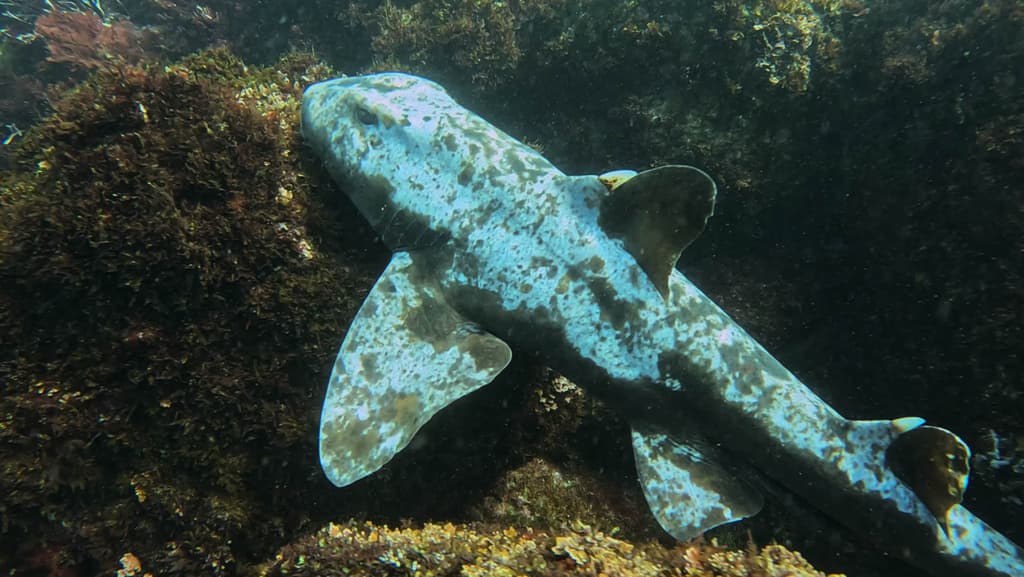
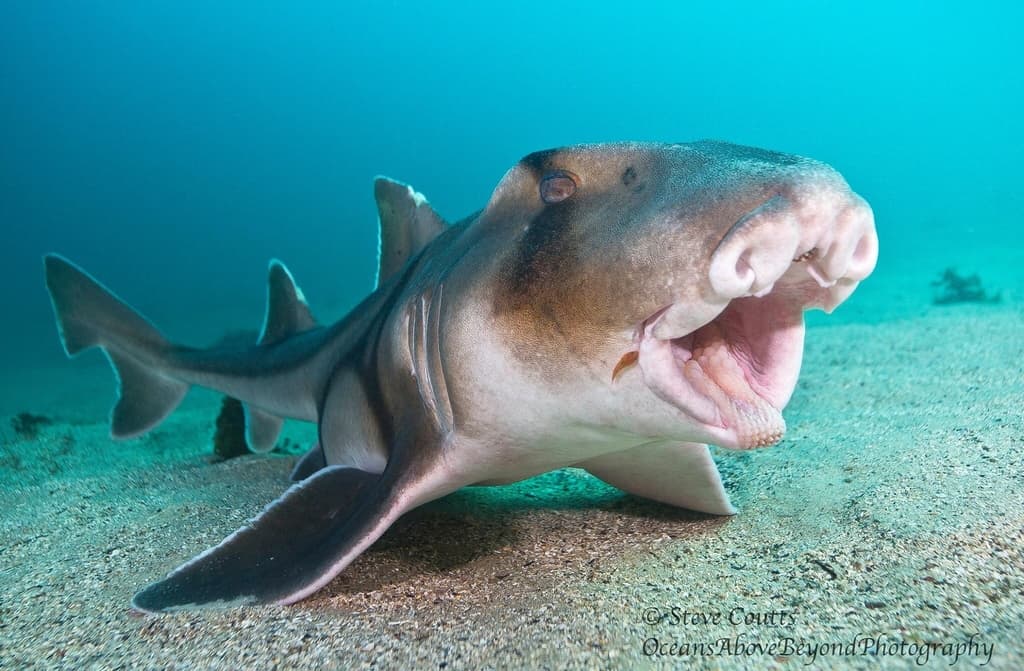
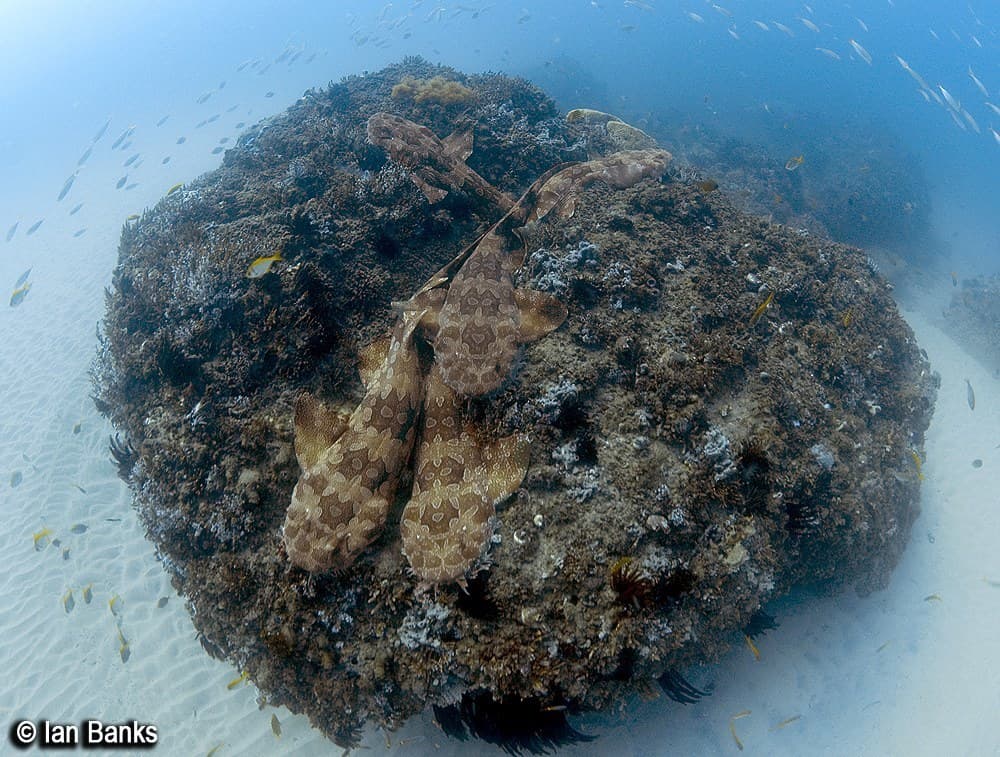
The Whitespotted Bamboo Shark is one of the most commonly kept shark species in the marine aquarium hobby, popular for its relatively manageable size and docile temperament. Adults display an attractive pattern of dark brown banding and scattered white spots over a tan to grayish-brown body. Juveniles are particularly striking, with bold dark bands alternating with light bands and prominent white spots, though these markings tend to fade somewhat with age. Reaching a maximum length of approximately 38 inches, it is one of the smaller sharks suitable for dedicated home aquarists.
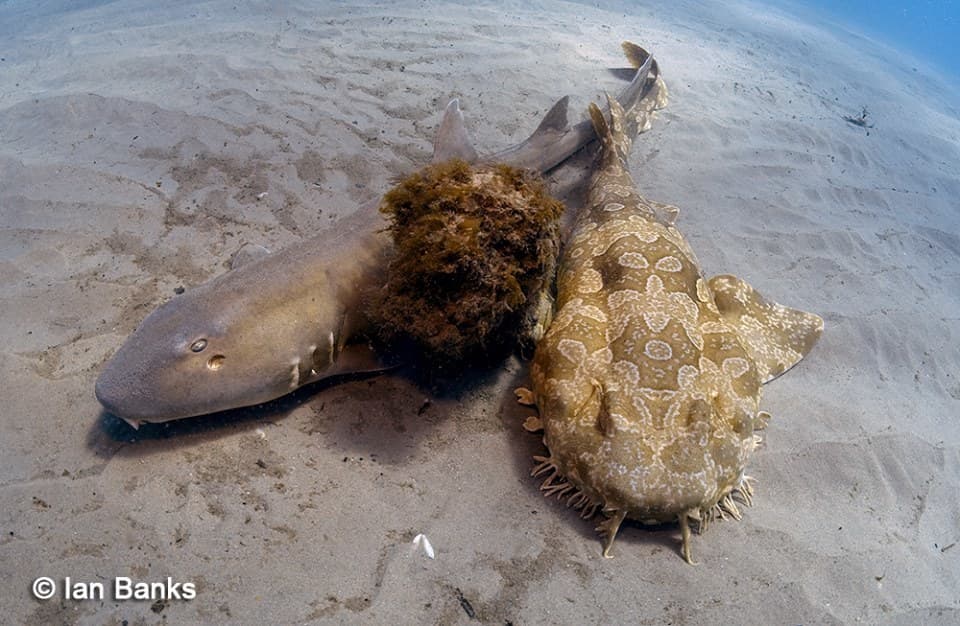
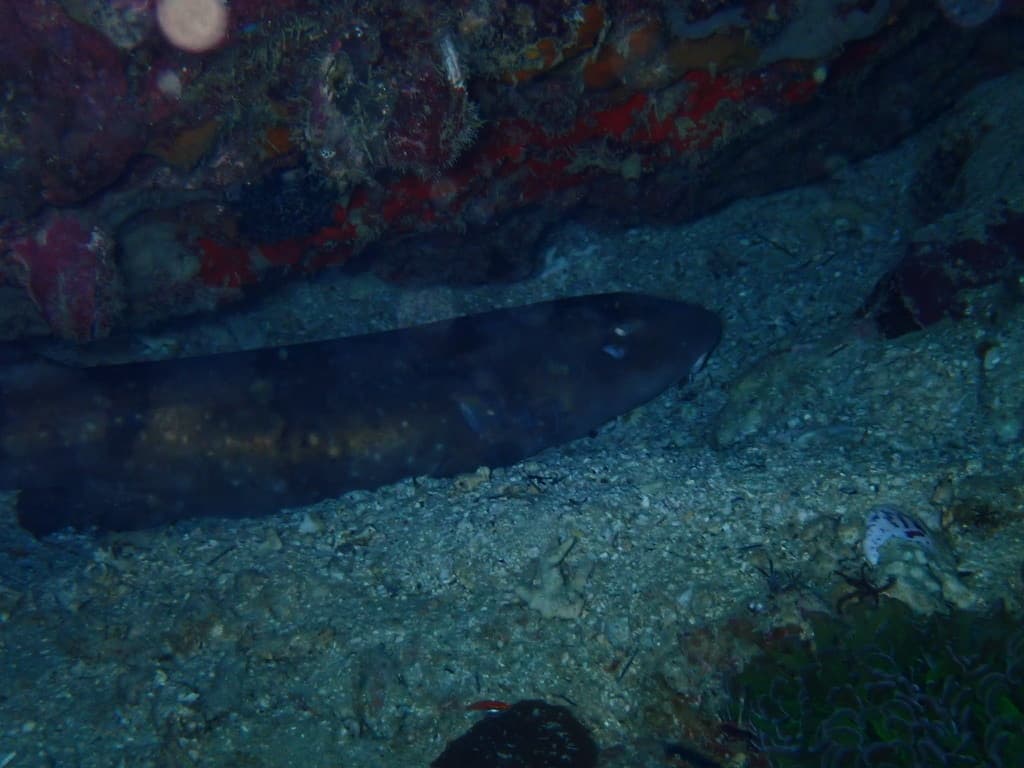
In the wild, the Whitespotted Bamboo Shark inhabits shallow coral reefs, tide pools, and sandy bottoms throughout the Indo-Pacific. It is a nocturnal, bottom-dwelling species that spends daylight hours resting in caves and crevices, emerging at night to hunt for small fish, crustaceans, and mollusks. It moves with a characteristic slow, undulating motion, using its muscular pectoral fins to crawl along the bottom. This species is oviparous, laying flattened egg cases that are often attached to coral or rock structures, with embryos developing over a period of approximately 100 to 120 days.
Keeping a Whitespotted Bamboo Shark requires a serious commitment to providing appropriate housing. A minimum tank of 300 gallons is recommended, with a long, wide footprint preferred over a tall, narrow design. The substrate must be fine sand to protect the shark's delicate ventral surface, and powerful filtration with a heavy-duty protein skimmer is essential to handle the substantial bioload. While this shark is peaceful and will not bother fish too large to eat, it will consume any crustacean, small fish, or invertebrate within reach. Its egg-laying reproductive strategy makes it one of the more feasible sharks for captive breeding.
Feeding & Diet
Carnivore
Whitespotted Bamboo Sharks are nocturnal carnivores that feed on small fish, shrimp, crabs, and mollusks. In captivity, offer raw shrimp, squid, silversides, clam, and other meaty seafood. Feed every two to three days, adjusting portions based on growth rate. Avoid overfeeding as obesity is a common problem in captive sharks. Vitamin-enriched foods are recommended for long-term health.
Compatibility
not-reef-safepeacefulpredatorlarge-tank-requiredbottom-dwellernocturnal
The Whitespotted Bamboo Shark is peaceful toward fish too large to consume but will eat any small fish, crustacean, or invertebrate within reach. Compatible with large tangs, large angelfish, groupers, and other robust species. Avoid housing with ornamental shrimp, small gobies, or any fish under 4 inches. Multiple bamboo sharks can coexist in very large systems. Avoid housing with aggressive or nippy fish that might stress the shark.
Check CompatibilityBreeding
Moderate
Whitespotted Bamboo Sharks are oviparous, laying flattened egg cases that hatch after approximately 100 to 120 days at tropical temperatures. This is one of the most commonly bred shark species in captivity, with both public aquariums and dedicated hobbyists achieving regular success. Eggs are typically deposited on rockwork or the substrate and require stable water conditions throughout incubation. Hatchlings are about 6 inches long and will accept small pieces of shrimp and fish.
Special Requirements
- Minimum 300-gallon tank with wide, long footprint
- Fine sand substrate essential to protect ventral surface
- Strong filtration and heavy-duty protein skimmer required
- Will eat any crustacean, small fish, or invertebrate it can catch
- Nocturnal - most active at night and during dim lighting
- Provide cave-like hiding spots for daytime resting
- Avoid copper-based medications - toxic to sharks
- No sharp or rough decorations that could injure skin
Water Parameters
Temperature74–80°F
Specific Gravity1.02–1.026 sg
pH8.1–8.4
Alkalinity8–12 dKH
Coloration
browntanwhitegray
Tags
not-reef-safepeacefulpredatorlarge-tank-requiredbottom-dwellernocturnal