BeginnerSemi-AggressiveReef Safe with Caution
Freckled Hawkfish
Paracirrhites forsteri
Family: Cirrhitidae · Hawkfish
Also known as: Forster's Hawkfish, Blackside Hawkfish, Freckled Coral Hawkfish
(c) Hickson Fergusson, all rights reserved
Max Size
9"
Min Tank
75 gal
Lifespan
8-12 years
Origin
Indo-Pacific, Red Sea
Diet
Carnivore
Swims
Bottom
About
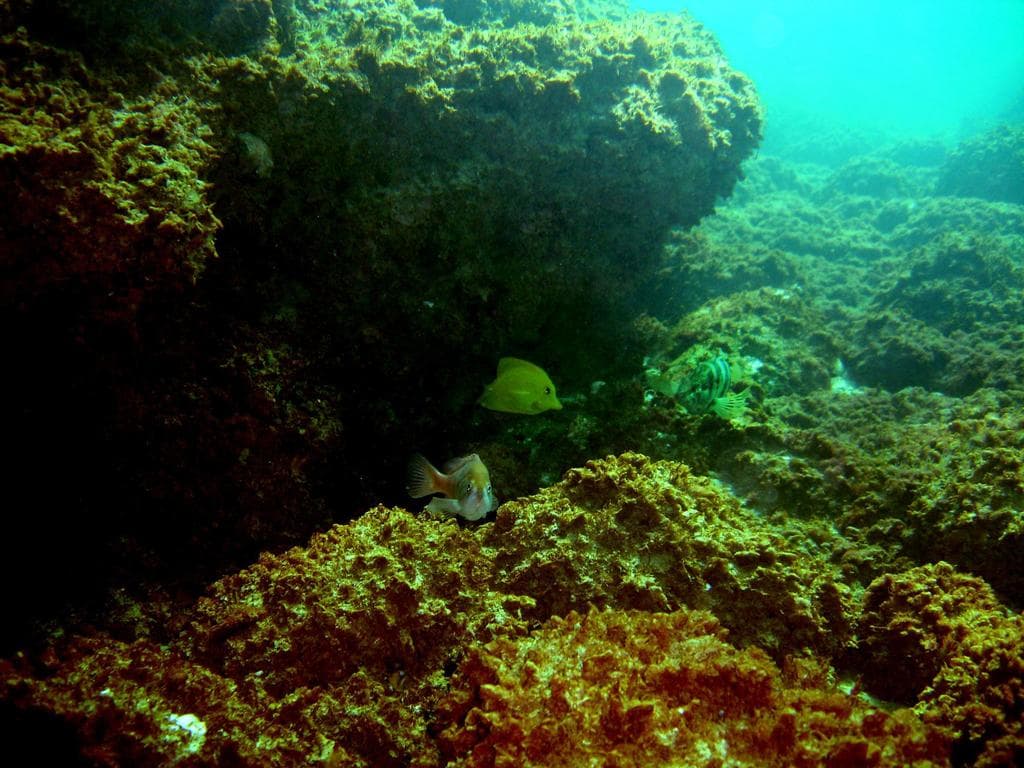
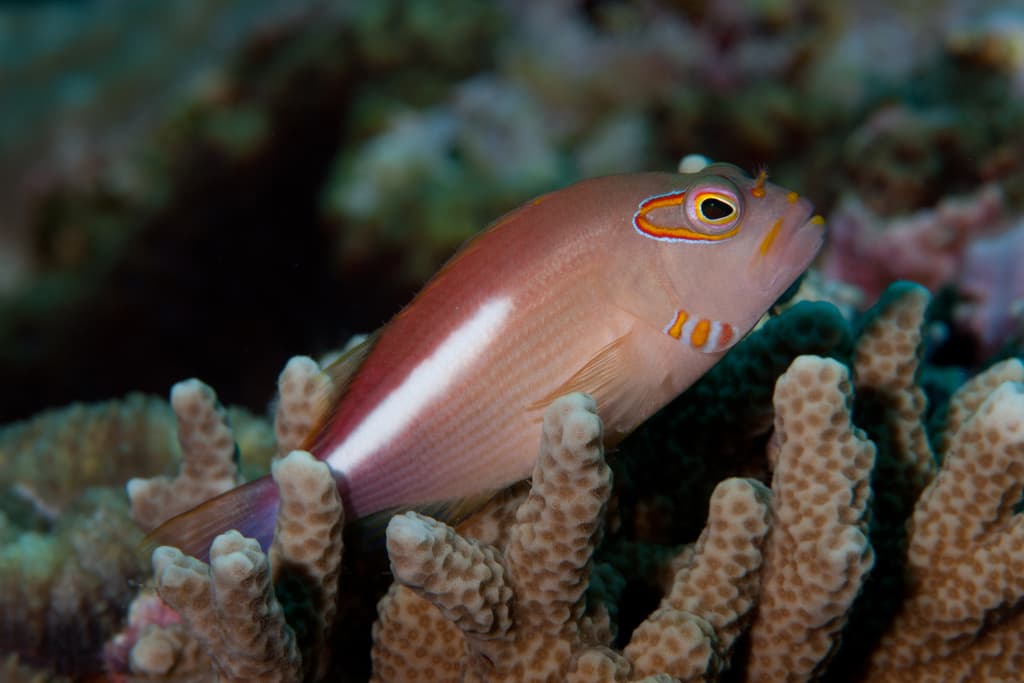
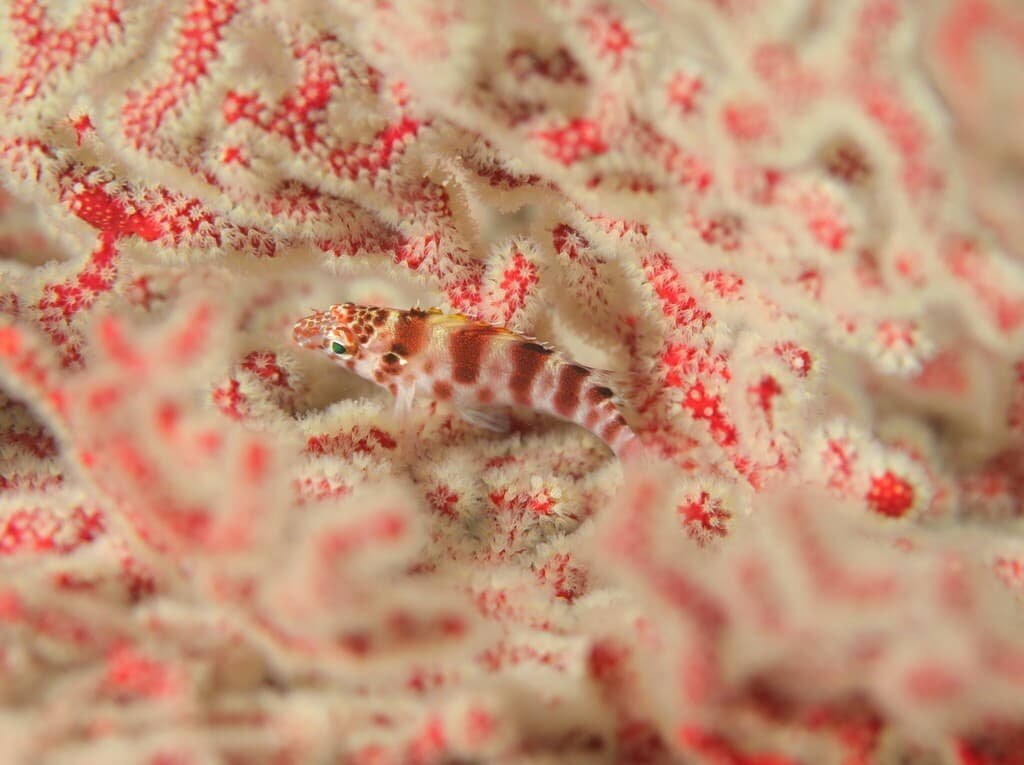
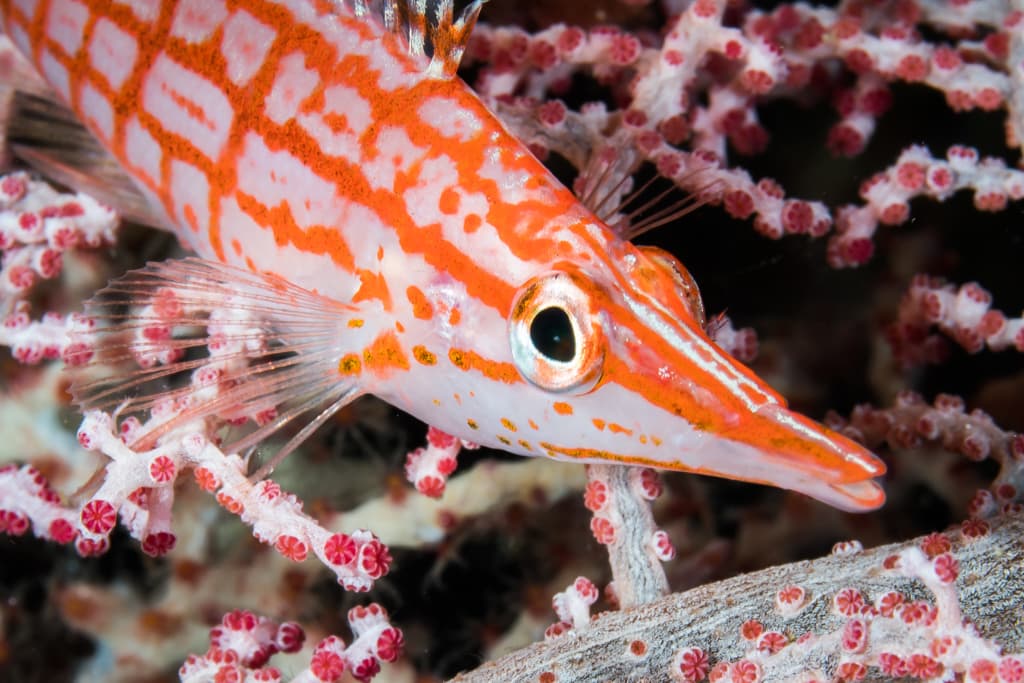
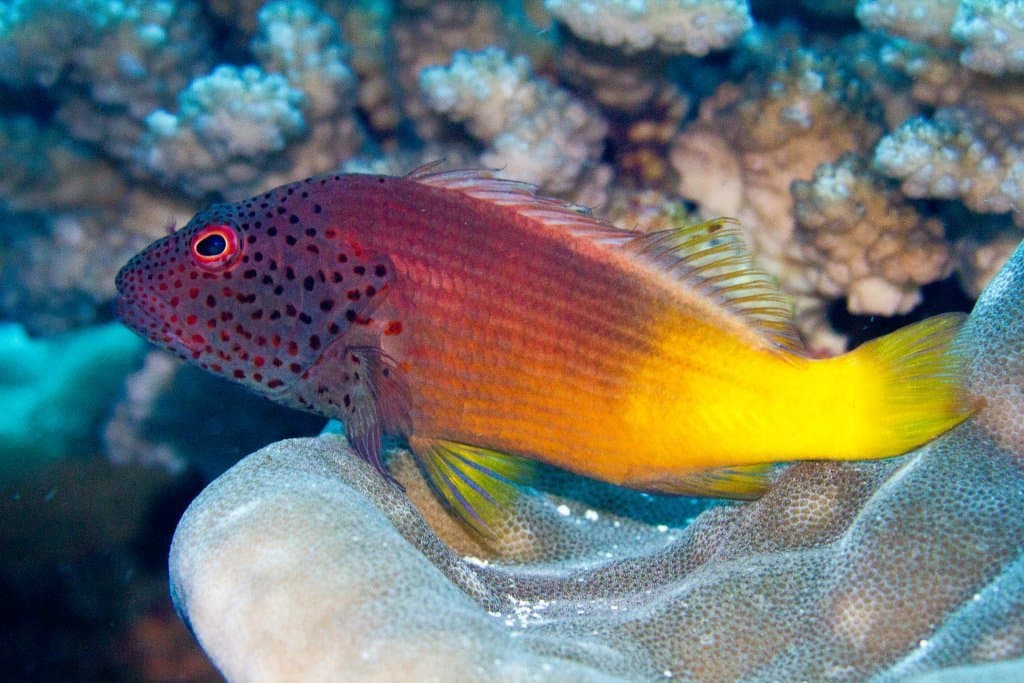
The Freckled Hawkfish is one of the larger and more commonly encountered hawkfish species on Indo-Pacific reefs, recognized by its distinctive freckling pattern and remarkable ability to change color morphs. Depending on the geographic region and individual mood, specimens can range from a pale pinkish-white with dark freckles to a deep olive-brown or even bright yellow with red spotting. This chameleon-like variability makes each individual uniquely attractive.
Like all hawkfish, the Freckled Hawkfish lacks a swim bladder and spends most of its time perched atop coral heads or rock outcrops, scanning for small prey below. It is a bold, confident predator that will quickly learn to associate its keeper with feeding time. This species adapts readily to captive life and accepts all manner of prepared and frozen foods with enthusiasm.
Despite its appealing personality, the Freckled Hawkfish grows to a substantial nine inches and requires a moderately large aquarium. It is semi-aggressive and will prey on small fish, shrimp, and crabs that fit in its mouth. Larger tankmates such as tangs, angelfish, and wrasses make suitable companions. Its hardiness and engaging behavior make it an excellent choice for beginner and intermediate marine aquarists who can accommodate its size and predatory nature.
Feeding & Diet
Carnivore
Freckled Hawkfish are opportunistic carnivores that feed on small fish, crustaceans, and zooplankton in the wild. In captivity, they eagerly accept frozen mysis shrimp, krill, chopped shrimp, silversides, and high-quality marine pellets. Feed two to three times daily.
Compatibility
semi-aggressiveperchermay-eat-shrimppredatorhardy
The Freckled Hawkfish is compatible with larger community fish but will prey on small fish and crustaceans. Avoid housing with small gobies, firefish, or ornamental shrimp. Generally safe with corals but may knock frags off rock while perching.
Check CompatibilityBreeding
Difficult
Freckled Hawkfish are protogynous hermaphrodites. Dominant females can change sex to male. Spawning occurs at dusk with pelagic egg release. Captive breeding has not been commonly achieved in the home aquarium.
Special Requirements
- Provide elevated perching spots on live rock or coral
- Will eat ornamental shrimp, crabs, and small fish
- Keep singly to avoid territorial aggression
- Tight-fitting lid recommended as hawkfish may jump
- Needs a moderately large tank due to adult size
Water Parameters
Temperature72–80°F
Specific Gravity1.02–1.026 sg
pH8.1–8.4
Alkalinity8–12 dKH
Coloration
brownpinkyellowredwhite
Tags
semi-aggressiveperchermay-eat-shrimppredatorhardy