ExpertAggressiveNot Reef Safe
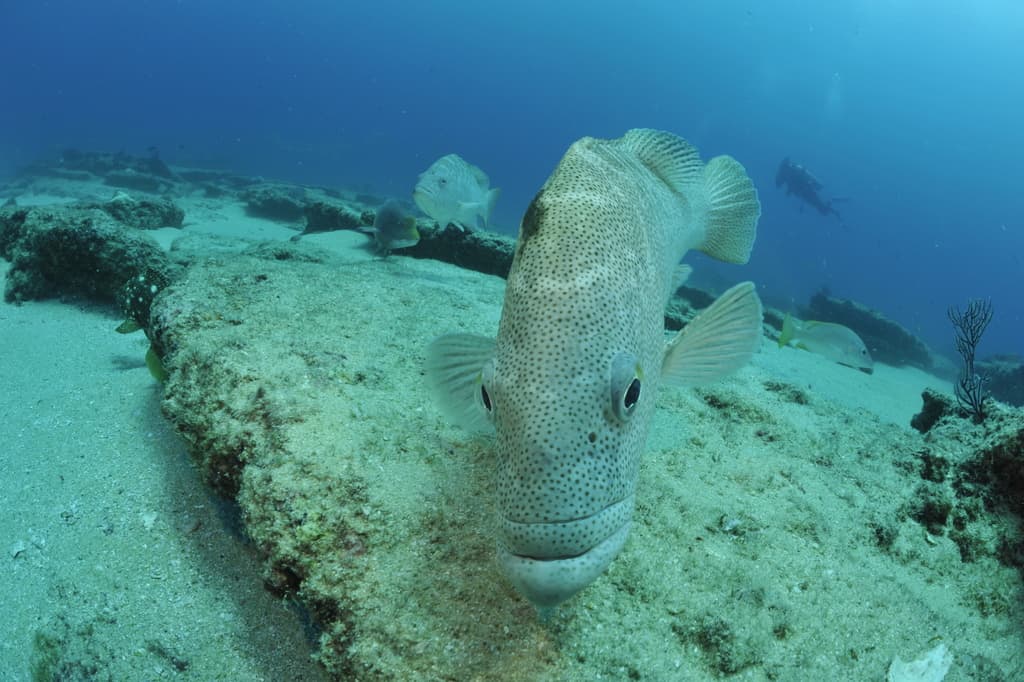
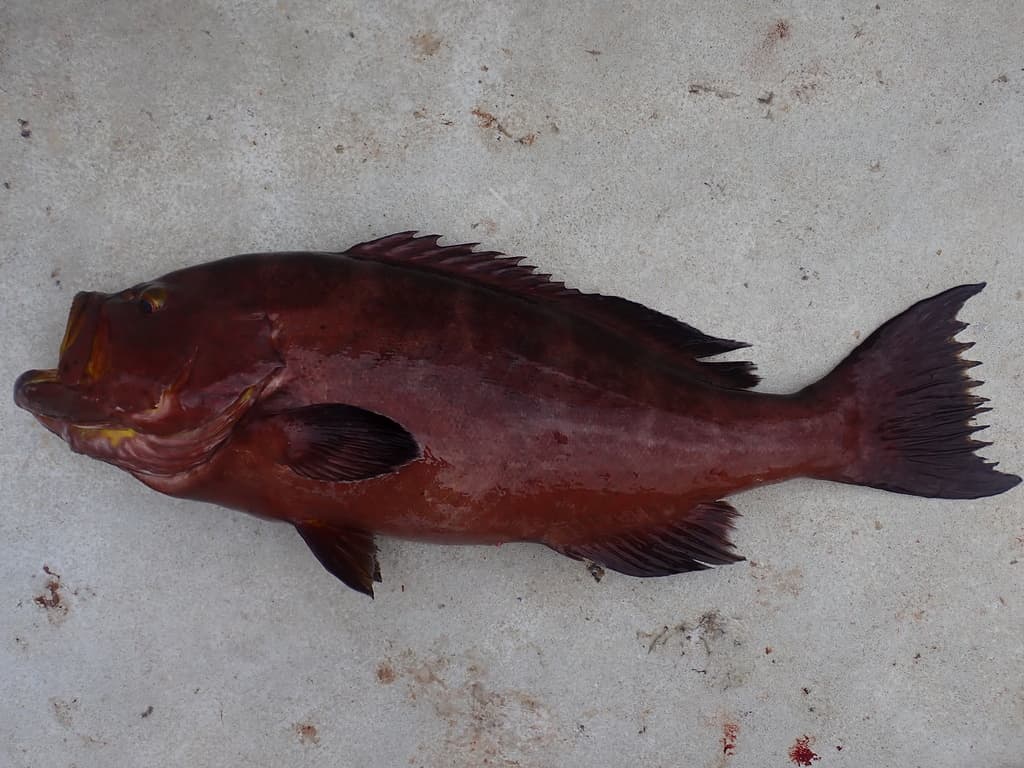
Yellow Grouper
Mycteroperca interstitialis
Family: Serranidae · Groupers & Basslets
Also known as: Yellowmouth Grouper, Salmon Grouper, Crossband Rockfish
(c) Luke Foster, some rights reserved (CC BY-NC)
Max Size
39"
Min Tank
400 gal
Lifespan
15-25 years
Origin
Western Atlantic, Caribbean
Diet
Carnivore
Swims
Middle
About
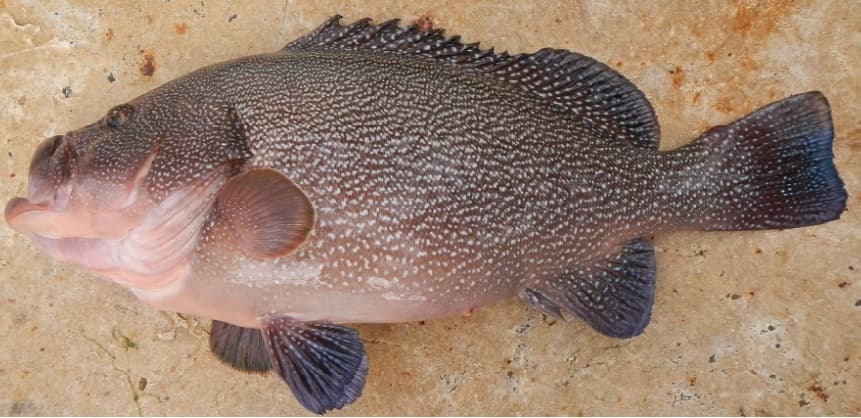
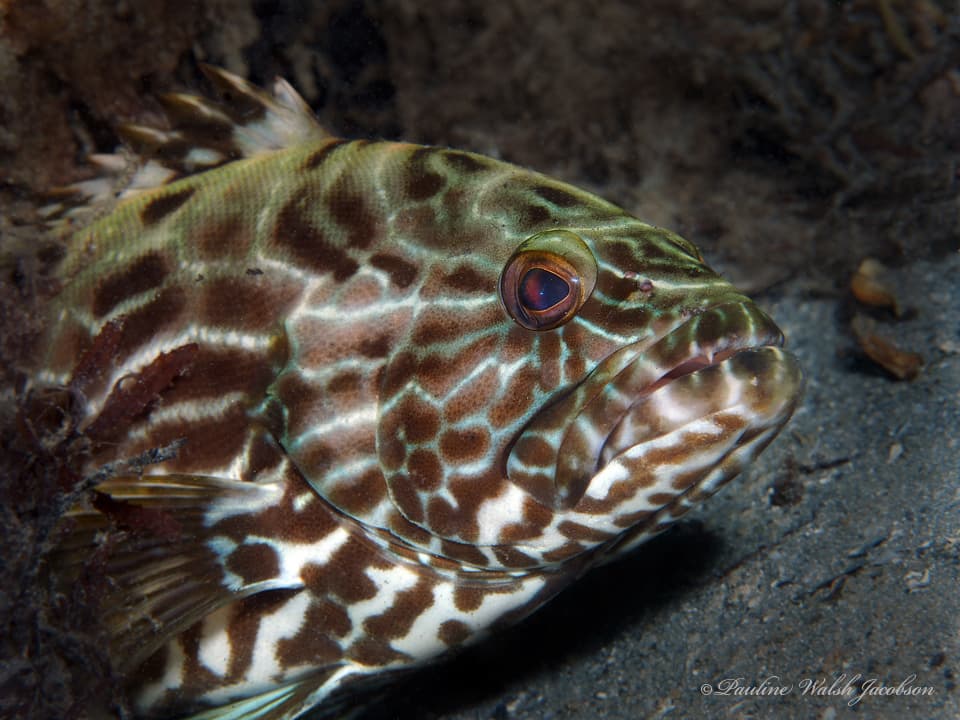
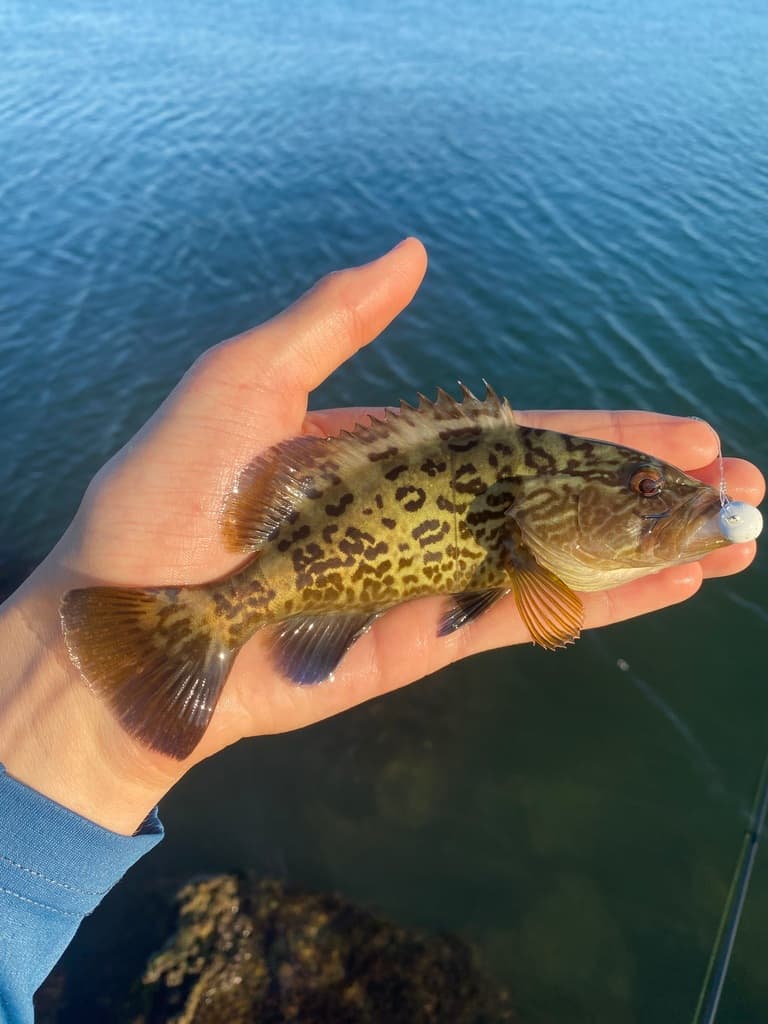
The Yellow Grouper is a large and impressive member of the Mycteroperca genus, named for the distinctive yellow coloration it can display, particularly around the mouth and during certain color phases. Adults typically show a brownish body with darker blotches and bars, though their ability to shift between color phases — including a striking bright yellow phase — makes them particularly interesting to observe.
In the wild, Yellow Groupers inhabit coral reefs, rocky outcrops, and seagrass beds throughout the Western Atlantic, typically at depths of 5 to 55 meters. They are opportunistic predators that feed primarily on fish and squid, using their ambush hunting strategy to strike from concealed positions among reef structures. Like many large groupers, they form spawning aggregations that make them vulnerable to overfishing.
Due to its substantial adult size of up to 39 inches, this species requires a very large aquarium of at least 400 gallons. Only expert aquarists with the resources for a massive FOWLR system should consider keeping this species. In captivity, they are relatively hardy once established, accepting frozen seafood and eventually pellet foods.
Feeding & Diet
Carnivore
An opportunistic carnivore that feeds on fish, squid, and crustaceans. In captivity, offer a varied diet of silversides, squid, shrimp, and quality carnivore pellets. Feed adults every other day to prevent obesity and fatty liver disease.
Compatibility
predatorlarge-fish-onlyFOWLRhigh-bioloadcolor-changing
The Yellow Grouper is a large, aggressive predator that will consume any tankmate it can overpower. Best housed with other very large, robust fish such as large tangs, moray eels, and similarly sized groupers. Not safe with any invertebrates or small-to-medium fish.
Check CompatibilityBreeding
Not bred in captivity
Yellow Groupers are protogynous hermaphrodites that form spawning aggregations in the wild. Captive breeding has not been achieved due to the species' large size and complex reproductive behavior.
Special Requirements
- Requires a massive tank of at least 400 gallons for long-term housing
- Will eat any fish small enough to swallow
- Heavy-duty filtration essential due to significant bioload
- Provide large caves and rocky structures for shelter
- Can display dramatic color changes between phases
Water Parameters
Temperature72–80°F
Specific Gravity1.02–1.026 sg
pH8.1–8.4
Alkalinity8–12 dKH
Coloration
yellowbrowndark blotchesvariable
Tags
predatorlarge-fish-onlyFOWLRhigh-bioloadcolor-changing