ExpertAggressiveNot Reef Safe
Leopard Grouper
Mycteroperca rosacea
Family: Serranidae · Groupers & Basslets
Also known as: Rose Grouper, Cabrilla Sardinera, Leopard Rockcod
(c) Arturo Velasco, some rights reserved (CC BY-NC)
Max Size
39"
Min Tank
400 gal
Lifespan
20-30 years
Origin
Eastern Pacific, Gulf of California
Diet
Carnivore
Swims
Bottom
About
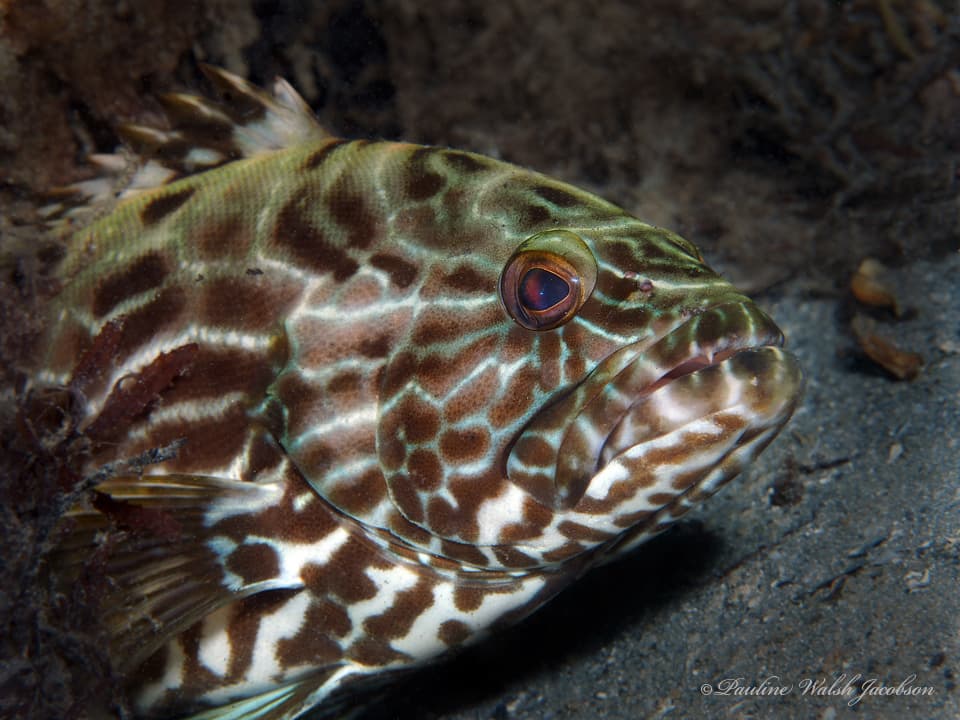
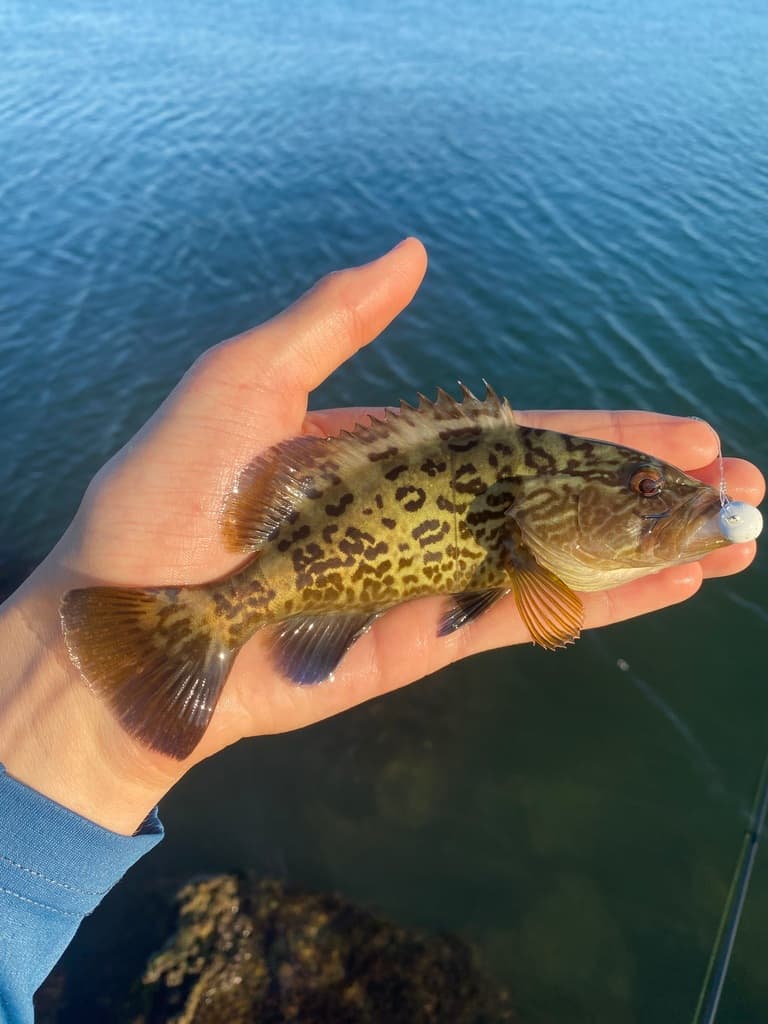
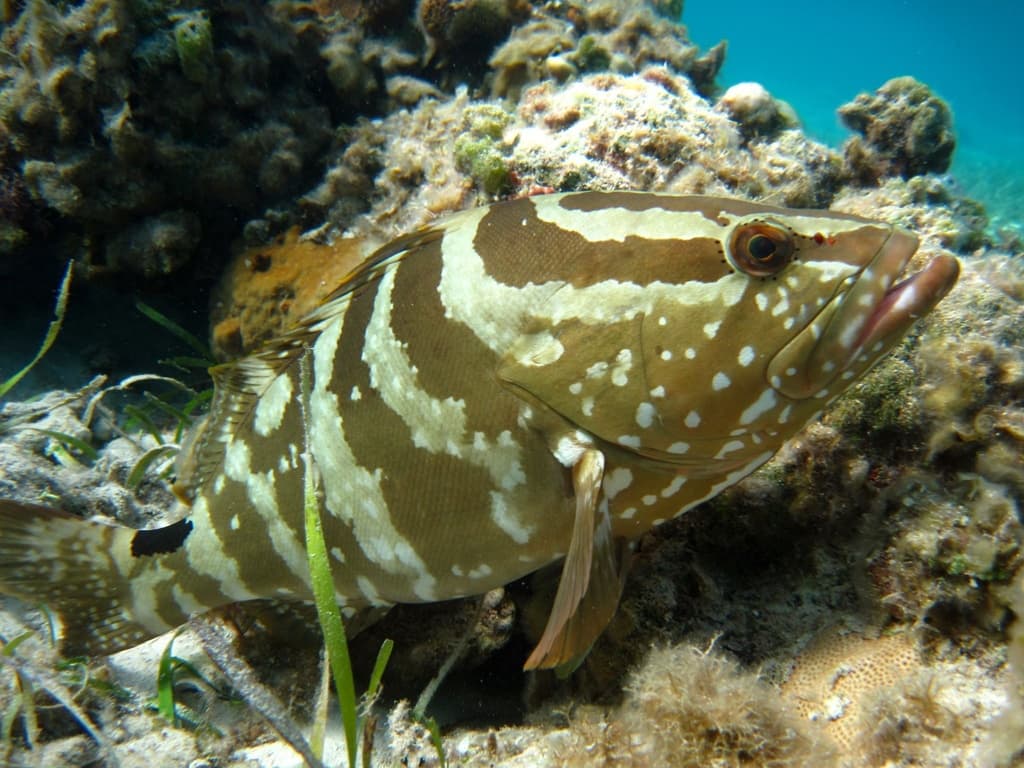
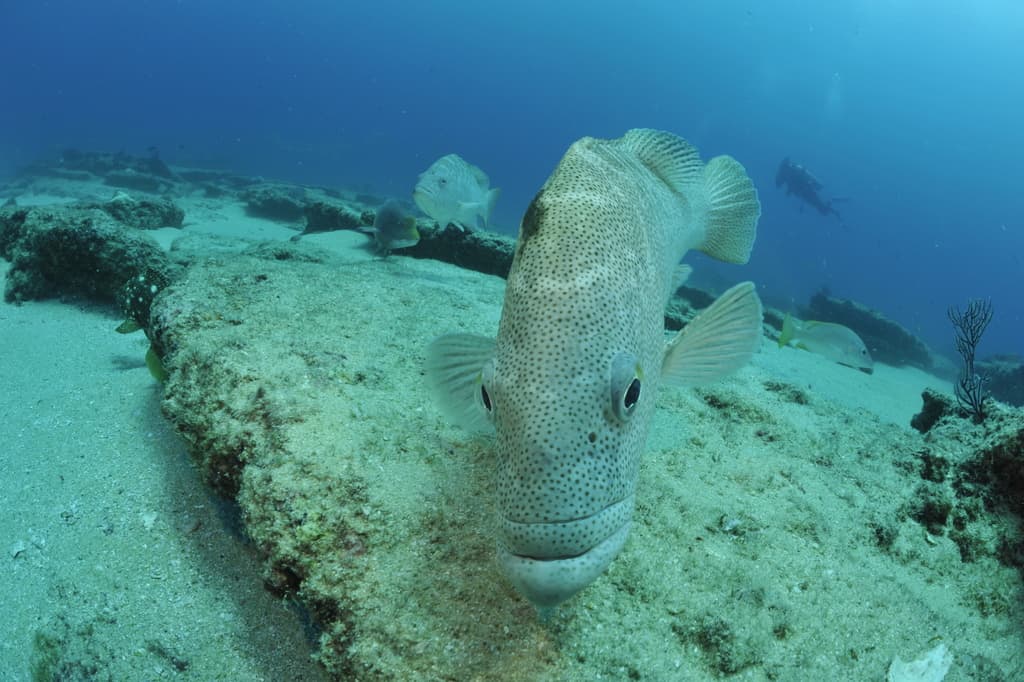
The Leopard Grouper is a large and striking predator from the Eastern Pacific, named for its bold leopard-like spots scattered across a brownish to reddish body. Reaching up to 39 inches, it is one of the most impressive groupers found in the waters of the Gulf of California and along the Pacific coast of Mexico and Central America.
In the wild, Leopard Groupers inhabit rocky reefs, boulder fields, and kelp forests at depths of 5 to 60 meters. They are important predators in their ecosystem and are also highly valued as a food fish, making them commercially significant throughout their range. They form spawning aggregations at specific sites during breeding season.
Due to its large adult size, the Leopard Grouper is only suitable for very large home aquariums of 400 gallons or more, or public aquarium facilities. It is an aggressive predator that will consume any fish it can overpower. Expert-level care is required, including industrial-grade filtration and careful tank management.
Feeding & Diet
Carnivore
A powerful carnivore that feeds on fish, squid, and crustaceans. In captivity, offer a varied diet of whole silversides, squid, shrimp, and other marine protein sources. Feed every 2-3 days for adults. Ensure dietary variety to prevent nutritional deficiencies.
Compatibility
predatorlarge-fish-onlypublic-aquariumhigh-bioload
The Leopard Grouper is an aggressive apex predator that will consume any tankmate it can overpower. House only with similarly sized or larger robust species. Best suited for large predator-only systems or public aquarium displays. Completely unsuitable for reef tanks or community setups.
Check CompatibilityBreeding
Not bred in captivity
Leopard Groupers are protogynous hermaphrodites that form spawning aggregations at specific reef sites. They transition from female to male as they mature. Captive breeding is not feasible due to the species' large size and complex aggregation-based spawning behavior.
Special Requirements
- Requires an extremely large tank due to massive adult size
- Needs industrial-grade filtration for heavy bioload
- Will eat any fish or invertebrate small enough to overpower
- Prefers slightly cooler water temperatures than tropical species
- Provide heavy rockwork with large caves for hiding
Water Parameters
Temperature68–76°F
Specific Gravity1.02–1.025 sg
pH8.1–8.4
Alkalinity8–12 dKH
Coloration
brownreddishdark spotsleopard pattern
Tags
predatorlarge-fish-onlypublic-aquariumhigh-bioload