BeginnerPeacefulReef Safe
Broadstripe Goby
Elacatinus prochilos
Family: Gobiidae · Gobies
Also known as: Broadstripe Cleaning Goby, Broadband Goby, Yellow-Stripe Neon Goby
(c) Julian Jimenez, some rights reserved (CC BY-NC-ND)
Max Size
1.5"
Min Tank
10 gal
Lifespan
2-4 years
Origin
Caribbean, Bahamas
Diet
Carnivore
Swims
Bottom
About
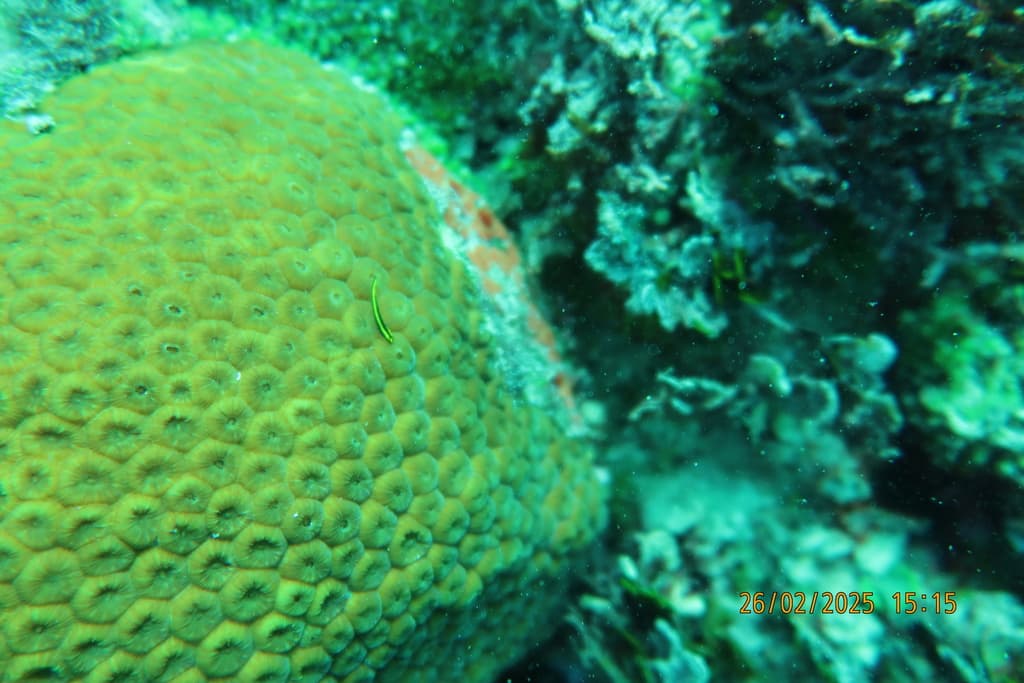
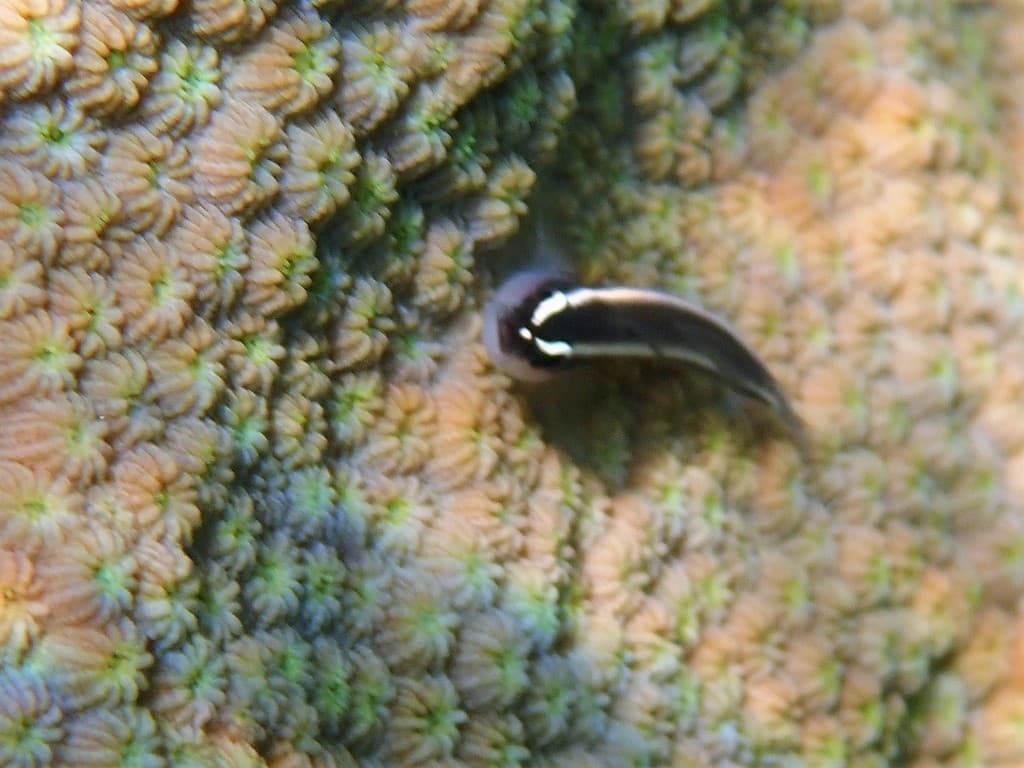
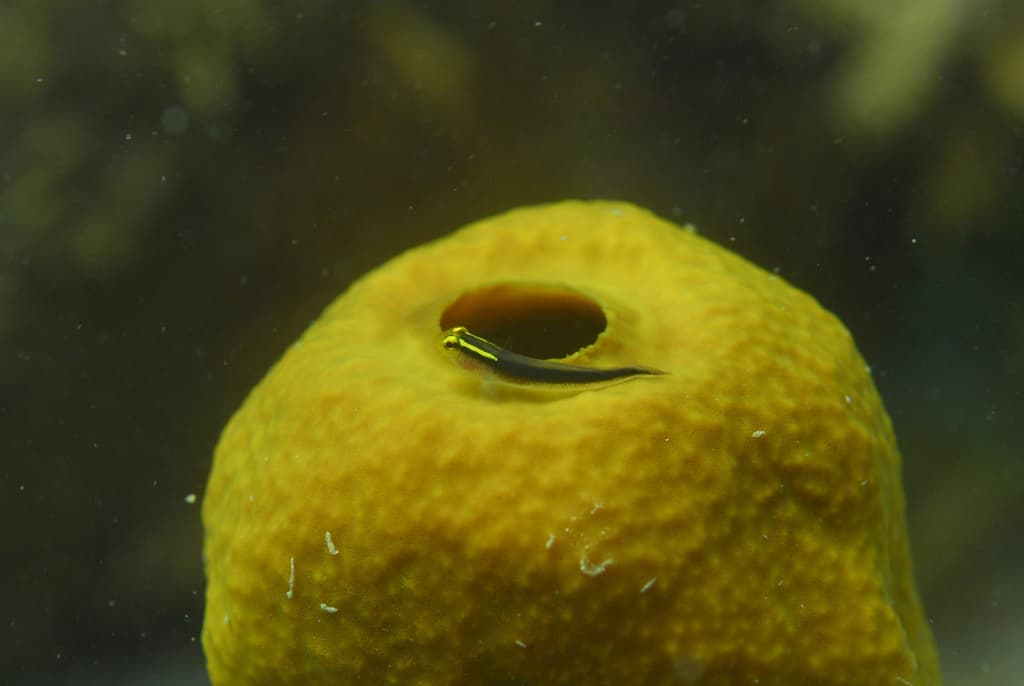
The Broadstripe Goby is a Caribbean cleaner species distinguished by its wide, prominent yellow stripe running the full length of its dark body. This bold marking is broader than the thin neon stripe found on its close relative the Neon Goby (Elacatinus oceanops), giving the species its common name. In the wild, Broadstripe Gobies establish cleaning stations on sponges, coral heads, and rocky outcrops throughout the Caribbean reef system.
This species is an outstanding choice for nano reef aquariums and community tanks alike. At just 1.5 inches fully grown, it requires minimal space while providing active, entertaining behavior. The Broadstripe Goby will readily set up cleaning stations in the home aquarium, actively servicing larger tankmates by removing parasites and dead tissue from their bodies and gill covers. This mutualistic behavior is not only fascinating to observe but provides genuine health benefits to other fish.
Captive-bred Broadstripe Gobies are widely available and are preferred over wild-caught specimens for their superior hardiness and willingness to accept prepared foods. The species is completely reef-safe, ignoring corals and invertebrates entirely. Its bold personality belies its tiny size, as it will fearlessly approach fish many times its own size to offer cleaning services.
Feeding & Diet
Carnivore
Broadstripe Gobies are cleaner fish that naturally feed on ectoparasites and mucus from client fish, supplemented by tiny crustaceans and zooplankton. In captivity, they eagerly accept frozen mysis shrimp, brine shrimp, cyclops, and high-quality micro pellets. Feed small amounts multiple times daily for best results.
Compatibility
reef-safepeacefulcommunity-safenano-reef
The Broadstripe Goby is one of the most peaceful marine fish available. Its cleaning behavior makes it welcome by most tankmates. Avoid housing with aggressive predators that could consume this small species.
Check CompatibilityBreeding
Moderate
Broadstripe Gobies form monogamous pairs and spawn readily in captivity. Eggs are deposited in small caves, shells, or crevices and guarded by the male. Larvae require rotifers and copepod nauplii for first feeding. Commercial captive breeding is well established for this species.
Special Requirements
- Captive-bred specimens widely available and recommended
- Provide live rock with cleaning station perches
- Benefits from tankmates that accept cleaning behavior
- Excellent choice for nano reef aquariums of 10+ gallons
- Feed small portions multiple times daily
Water Parameters
Temperature74–80°F
Specific Gravity1.02–1.026 sg
pH8.1–8.4
Alkalinity8–12 dKH
Coloration
blackyellowwhite
Tags
reef-safepeacefulcommunity-safenano-reef