BeginnerPeacefulReef Safe
Two-barred Rabbitfish
Siganus virgatus
Family: Siganidae · Foxfaces & Rabbitfish
Also known as: Double-barred Spinefoot, Virgate Rabbitfish, Barhead Spinefoot
(c) bja2800dk, some rights reserved (CC BY-NC)
Max Size
12"
Min Tank
125 gal
Lifespan
5-10 years
Origin
Western Pacific, Indonesia
Diet
Herbivore
Swims
All
About
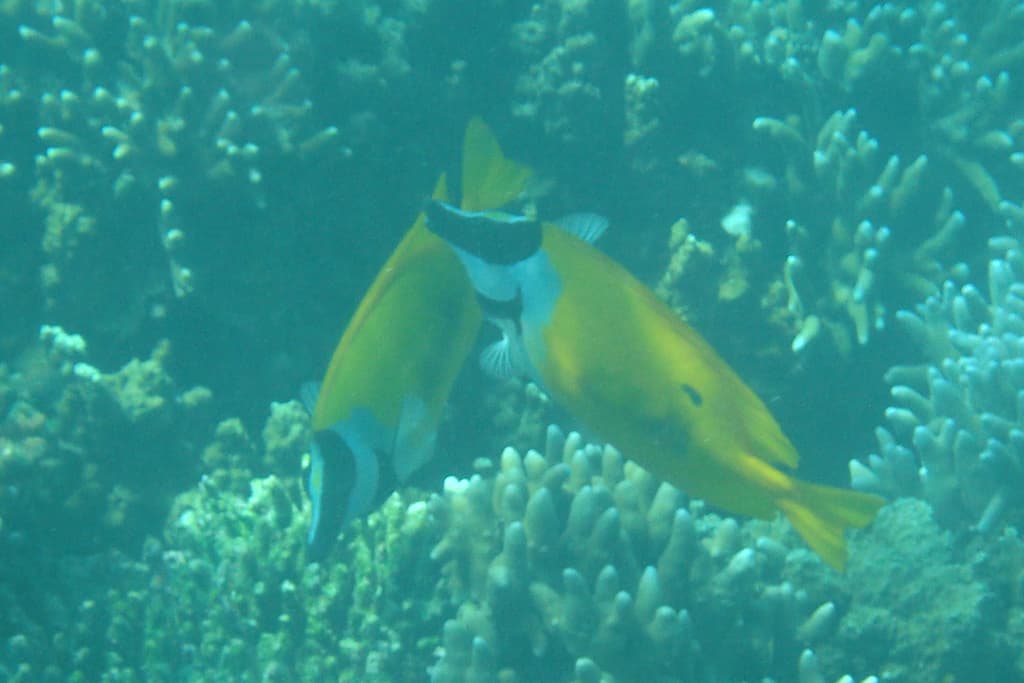
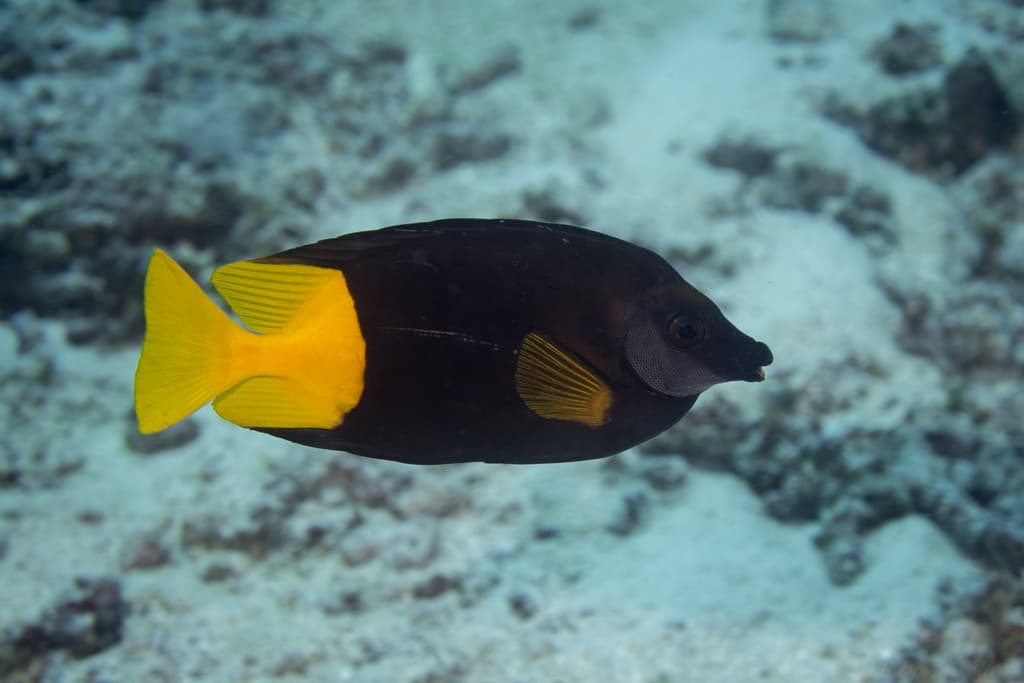
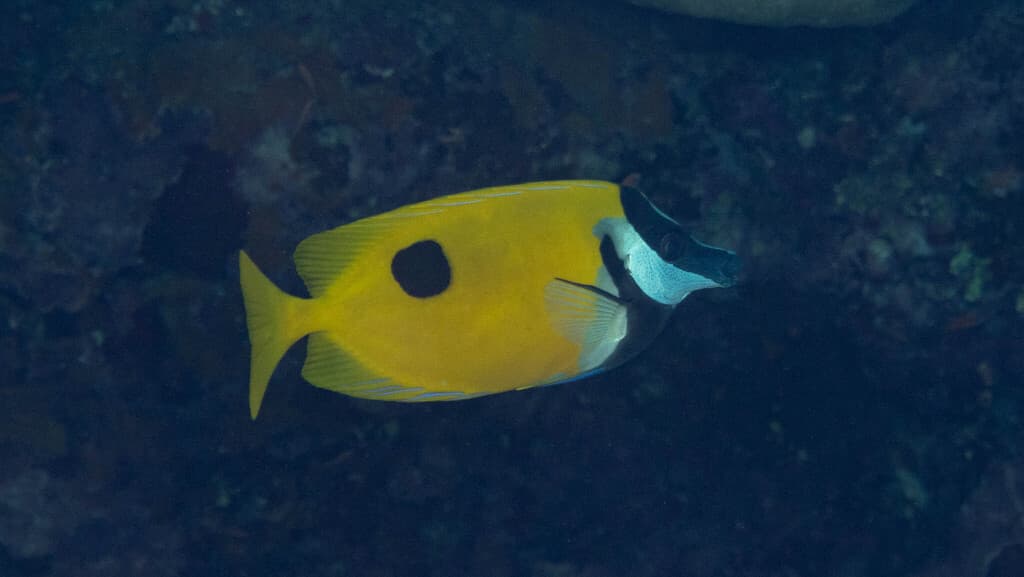
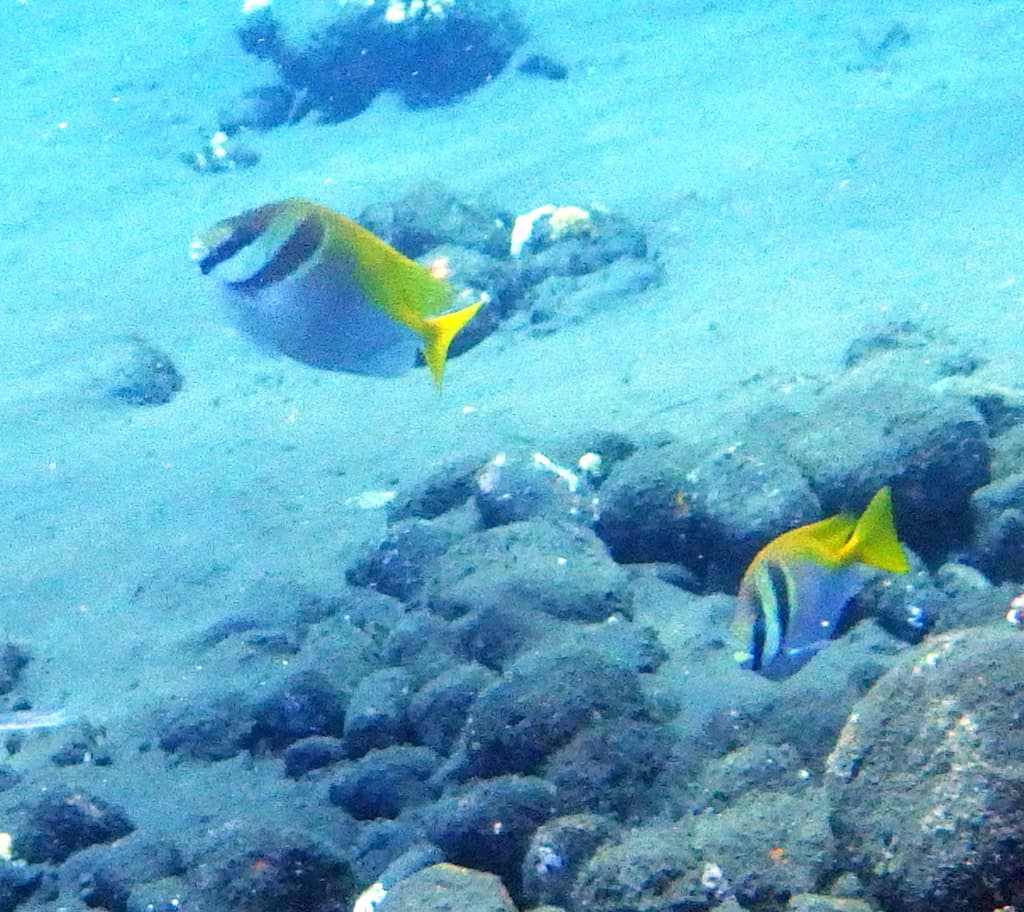
The Two-barred Rabbitfish is a handsome and distinctive species easily identified by the two bold dark diagonal bars on its head and anterior body. The first bar runs from the forehead through the eye to the chin, while the second extends from the dorsal region diagonally downward behind the pectoral fin. The body is silvery-blue to gray with a yellowish hue, and the fins display delicate spotted patterns. This clean, graphic pattern gives the species a refined and elegant appearance.
In the wild, the Two-barred Rabbitfish is commonly found on coral reefs, mangrove estuaries, and coastal lagoons across the western Pacific. Juveniles are often encountered in brackish environments and estuaries, gradually moving to reef habitats as they mature. Adults typically swim in pairs, methodically grazing on algae across reef surfaces. Like all members of the Siganidae family, this species carries venomous dorsal and anal fin spines.
The Two-barred Rabbitfish is an excellent aquarium fish that combines beauty, hardiness, and utility. As an enthusiastic algae consumer, it provides valuable biological algae control in reef systems. It is peaceful, disease-resistant, and adapts quickly to captive conditions, making it suitable for beginner marine aquarists with appropriately sized tanks. This species is reef-safe when well fed, though it may occasionally browse on soft corals or macroalgae that the aquarist may want to preserve.
Feeding & Diet
Herbivore
Two-barred Rabbitfish are herbivores that graze constantly on various algae species. In captivity, provide marine algae sheets (nori), spirulina-based pellets and flakes, frozen herbivore preparations, and blanched vegetables. They will accept frozen mysis shrimp and brine shrimp as occasional supplements. A predominantly vegetable-based diet is essential. Feed two to three times daily.
Compatibility
reef-safepeacefulalgae-eatercommunity-safebeginner-friendlyvenomous-spines
The Two-barred Rabbitfish is peaceful and mixes well with virtually all community fish. Compatible with tangs, clownfish, wrasses, gobies, and angelfish. Shows minimal aggression except occasionally toward conspecifics. Its venomous spines provide protection from bullying by more aggressive tankmates. Best kept singly or as a bonded pair in larger systems.
Check CompatibilityBreeding
Not bred in captivity
Two-barred Rabbitfish have not been bred in home aquariums. They form pairs for spawning and release eggs into open water. The extended pelagic larval phase has not been successfully replicated in captivity. All specimens in the trade are wild-caught.
Special Requirements
- VENOMOUS dorsal and anal spines - handle with extreme care
- Provide algae-rich diet for best health
- Ample swimming space required for adult size
- May consume desirable macroalgae
- Changes color when stressed or sleeping - this is normal
- Best kept singly or in established pairs
Water Parameters
Temperature74–80°F
Specific Gravity1.02–1.026 sg
pH8.1–8.4
Alkalinity8–12 dKH
Coloration
silverbluegrayyellowblack
Tags
reef-safepeacefulalgae-eatercommunity-safebeginner-friendlyvenomous-spines