BeginnerPeacefulReef Safe
Bicolor Foxface
Siganus uspi
Family: Siganidae · Foxfaces & Rabbitfish
Also known as: Uspi Rabbitfish, Two-tone Foxface, Fiji Foxface
(c) David R, some rights reserved (CC BY-NC)
Max Size
10"
Min Tank
125 gal
Lifespan
5-10 years
Origin
Fiji, Tonga
Diet
Herbivore
Swims
All
About
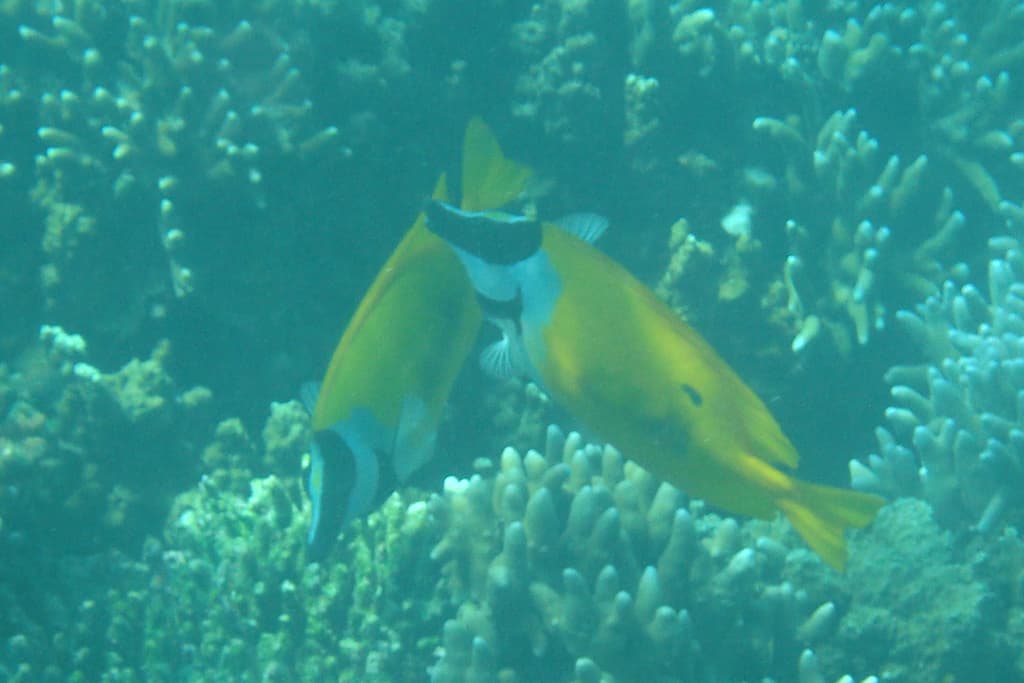
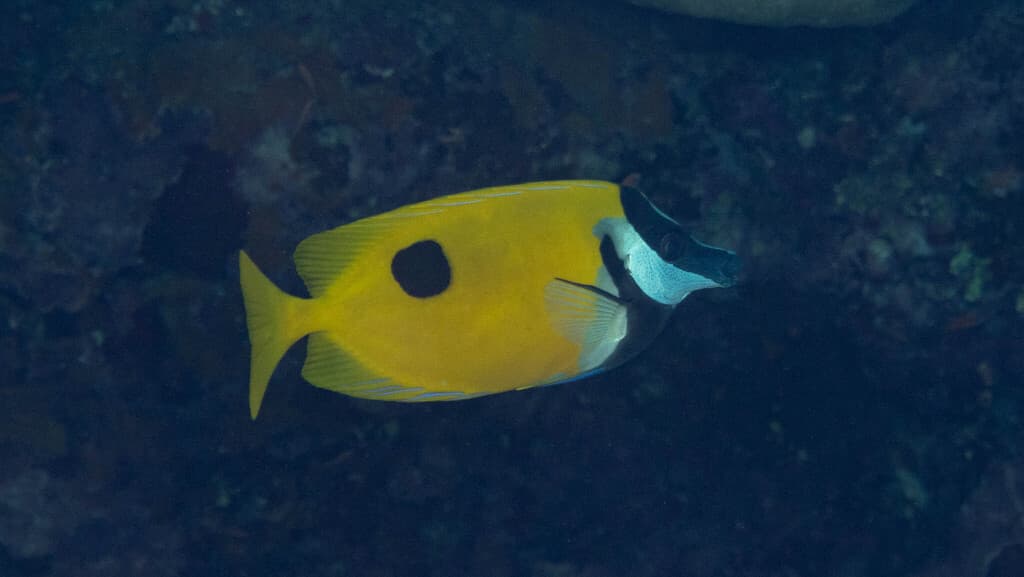
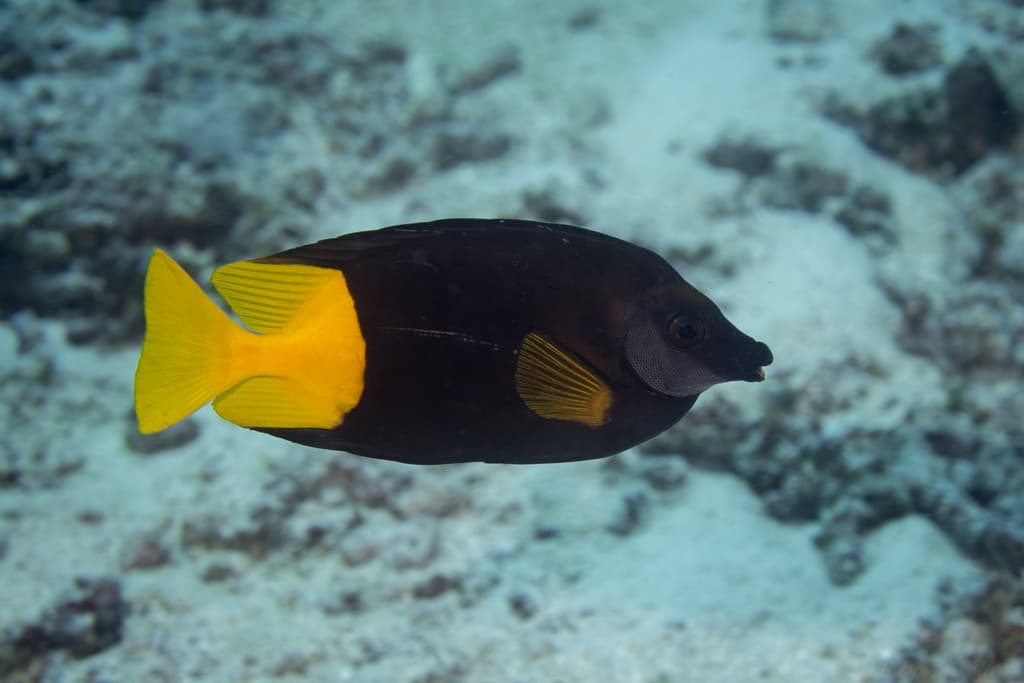
The Bicolor Foxface is a striking rabbitfish species endemic to the waters around Fiji and Tonga, highly prized for its bold two-tone coloration. The anterior half of the body, including the head and chest, is a rich dark brown to black, while the posterior half transitions sharply to a brilliant golden yellow. This dramatic contrast makes it one of the most visually appealing members of the Siganidae family and a standout addition to any marine aquarium large enough to house it.
Like all foxfaces and rabbitfish, the Bicolor Foxface possesses venomous dorsal and anal fin spines that can deliver a painful sting similar to a wasp or bee sting. Aquarists must exercise caution during tank maintenance and netting. Despite this defensive armament, the species is remarkably peaceful and docile, rarely showing aggression toward tankmates of any kind. It is an excellent algae grazer that will consume hair algae, bryopsis, and other nuisance algae varieties.
The Bicolor Foxface is hardy, disease-resistant, and adapts readily to aquarium life, making it an excellent choice for beginners with appropriately sized systems. It is considered reef-safe, though heavily underfed individuals may occasionally sample soft coral polyps. When stressed or sleeping, this species displays a mottled pale pattern that can alarm new keepers but is entirely normal behavior. Providing a varied herbivorous diet with regular offerings of marine algae sheets ensures the best coloration and health.
Feeding & Diet
Herbivore
Bicolor Foxfaces are herbivores that graze extensively on algae in the wild. In captivity, provide marine algae sheets (nori), spirulina-based foods, and algae-enriched pellets. They will also accept frozen mysis shrimp and brine shrimp as supplements. Ensure algae-based foods make up the majority of the diet. Feed two to three times daily.
Compatibility
reef-safepeacefulalgae-eatercommunity-safebeginner-friendlyvenomous-spines
The Bicolor Foxface is exceptionally peaceful and coexists well with virtually all tankmates. It rarely shows aggression except occasionally toward conspecifics or very similar-looking species. Compatible with tangs, clownfish, wrasses, gobies, and other community species. Its venomous spines serve as effective deterrents against bullying from more aggressive fish.
Check CompatibilityBreeding
Not bred in captivity
Bicolor Foxfaces have not been successfully bred in home aquariums. Like other rabbitfish, they are pelagic spawners that form pairs or groups for spawning. The extended pelagic larval phase has proven extremely difficult to replicate in captivity. All specimens in the trade are wild-caught from Fijian waters.
Special Requirements
- VENOMOUS dorsal and anal spines - handle with extreme care
- Provide algae-rich diet for optimal health and coloration
- Ample swimming space required
- May nip at soft corals if underfed
- Changes color when stressed or sleeping - this is normal
- Best kept singly unless in a very large system
Water Parameters
Temperature74–80°F
Specific Gravity1.02–1.026 sg
pH8.1–8.4
Alkalinity8–12 dKH
Coloration
blackbrownyellowgold
Tags
reef-safepeacefulalgae-eatercommunity-safebeginner-friendlyvenomous-spines