IntermediatePeacefulReef Safe
Magnificent Foxface
Siganus magnificus
Family: Siganidae · Foxfaces & Rabbitfish
Also known as: Magnificent Rabbitfish, Andaman Foxface
(c) Jacek Pietruszewski, some rights reserved (CC BY)
Max Size
9"
Min Tank
75 gal
Lifespan
5-10 years
Origin
Eastern Indian Ocean, Andaman Sea
Diet
Herbivore
Swims
All
About
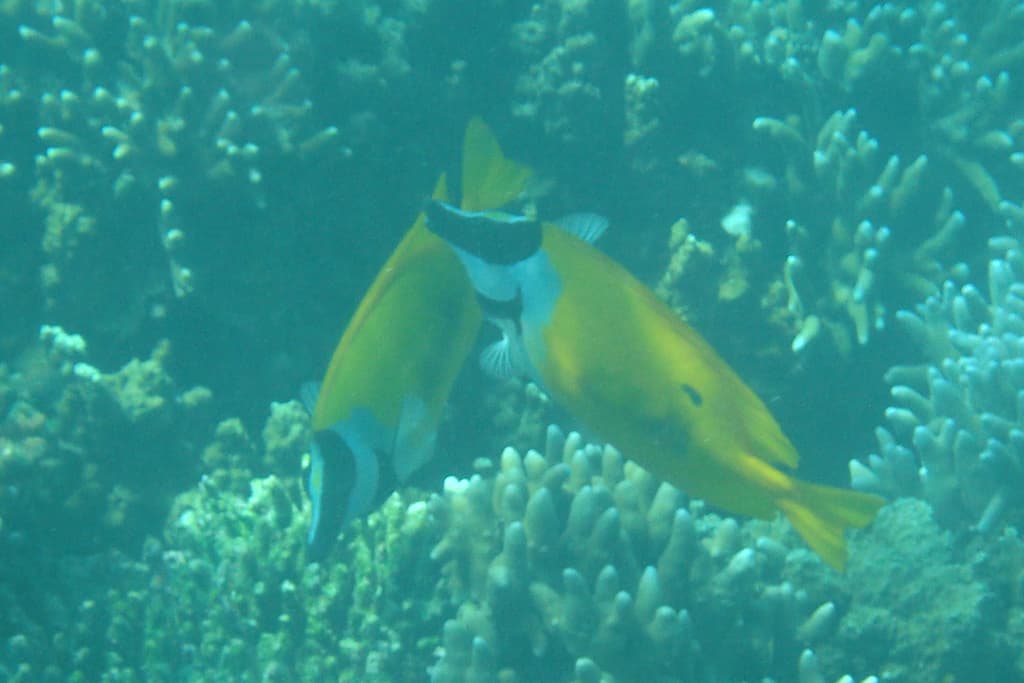
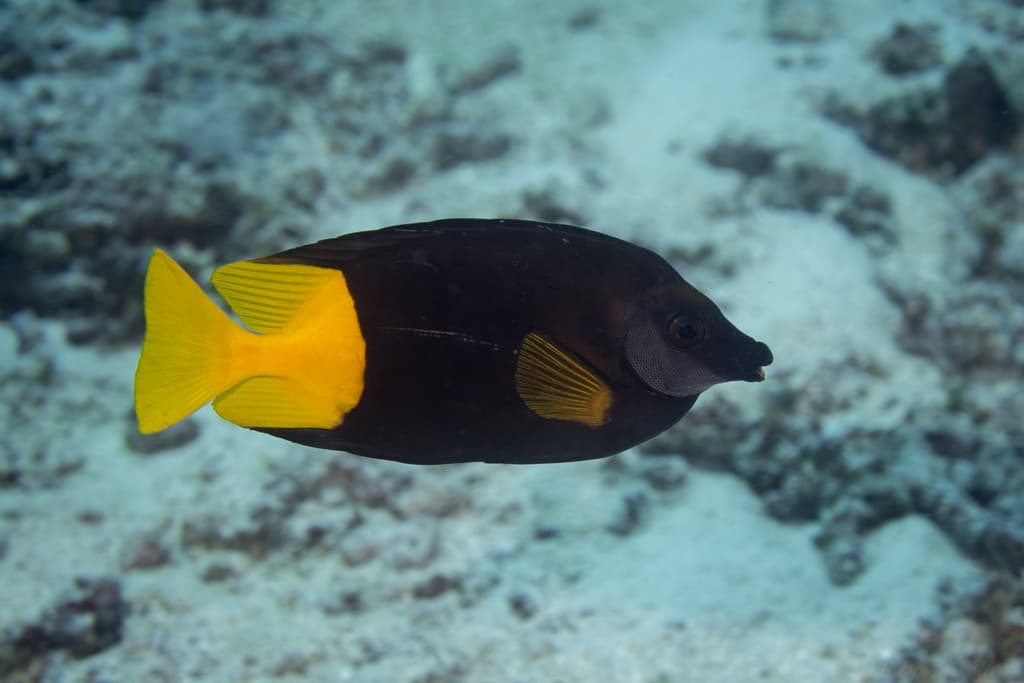
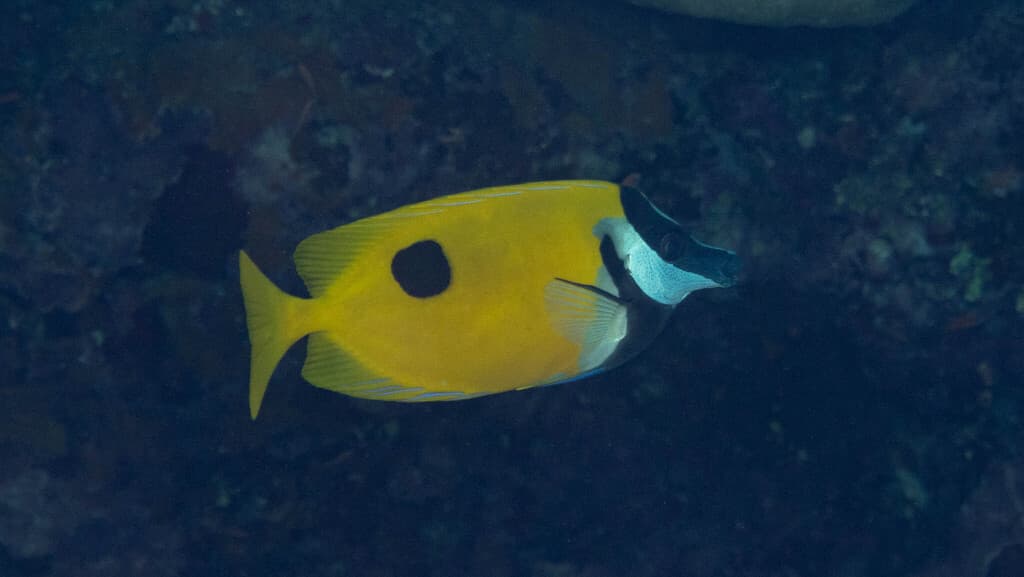
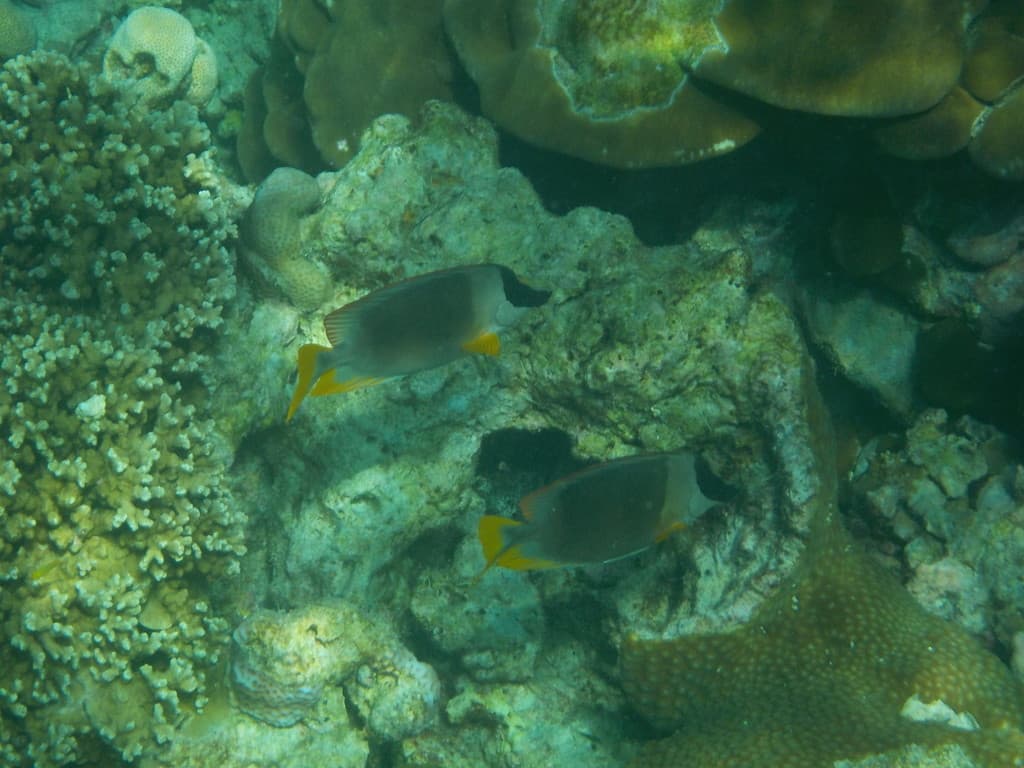
The Magnificent Foxface is widely regarded as one of the most beautiful rabbitfish species, featuring a striking two-toned body with a dark chocolate-brown to black anterior and a brilliant white posterior. A bold yellow stripe runs along the face and the pelvic region sports golden-yellow accents. This elegant coloration pattern sets it apart from the more common Foxface Rabbitfish and has made it highly sought after by aquarists worldwide.
Native to the eastern Indian Ocean, particularly the waters around the Andaman Sea and western Sumatra, the Magnificent Foxface inhabits coral-rich reef slopes where it grazes on various algae species. Like its relatives, it possesses venomous dorsal and anal fin spines that can inflict a painful sting, so care must be taken during tank maintenance and handling.
In the aquarium, the Magnificent Foxface is a hardy and peaceful species that excels at algae control. It readily adapts to captive conditions and will accept a wide range of foods, though a diet heavy in marine algae and vegetable matter is essential for long-term health. While it is generally reef-safe, a well-fed specimen is less likely to sample soft corals. Its larger adult size requires a spacious tank with plenty of swimming room.
Feeding & Diet
Herbivore
Magnificent Foxfaces are primarily herbivores that graze heavily on algae. Provide marine algae sheets (nori), spirulina preparations, and algae-based pellets as dietary staples. Supplement with occasional frozen mysis shrimp and enriched brine shrimp. Feed two to three times daily.
Compatibility
reef-safepeacefulalgae-eatercommunity-safevenomous-spines
The Magnificent Foxface is extremely peaceful and compatible with virtually all reef community fish. It coexists well with tangs, clownfish, wrasses, and other herbivores. Keep singly unless in a very large system as conspecifics may spar. May occasionally sample soft corals if underfed.
Check CompatibilityBreeding
Not bred in captivity
The Magnificent Foxface has not been bred in home aquariums. Like other rabbitfish, it is a pelagic spawner with planktonic larvae that undergo an extended oceanic phase. Captive breeding remains an unrealized goal for this species.
Special Requirements
- Venomous dorsal and anal spines - handle with care
- Algae-rich diet essential for health and to prevent coral nipping
- Ample swimming space required
- Less commonly available than common Foxface
- May exhibit mottled stress coloration when disturbed
Water Parameters
Temperature74–80°F
Specific Gravity1.02–1.026 sg
pH8.1–8.4
Alkalinity8–12 dKH
Coloration
brownblackwhiteyellow
Tags
reef-safepeacefulalgae-eatercommunity-safevenomous-spines