BeginnerPeacefulReef Safe
Gold-spotted Rabbitfish
Siganus punctatus
Family: Siganidae · Foxfaces & Rabbitfish
Also known as: Spotted Rabbitfish, Gold Spotted Spinefoot, Peppered Rabbitfish
(c) uwkwaj, some rights reserved (CC BY-NC)
Max Size
16"
Min Tank
180 gal
Lifespan
5-10 years
Origin
Western Pacific, Great Barrier Reef
Diet
Herbivore
Swims
All
About
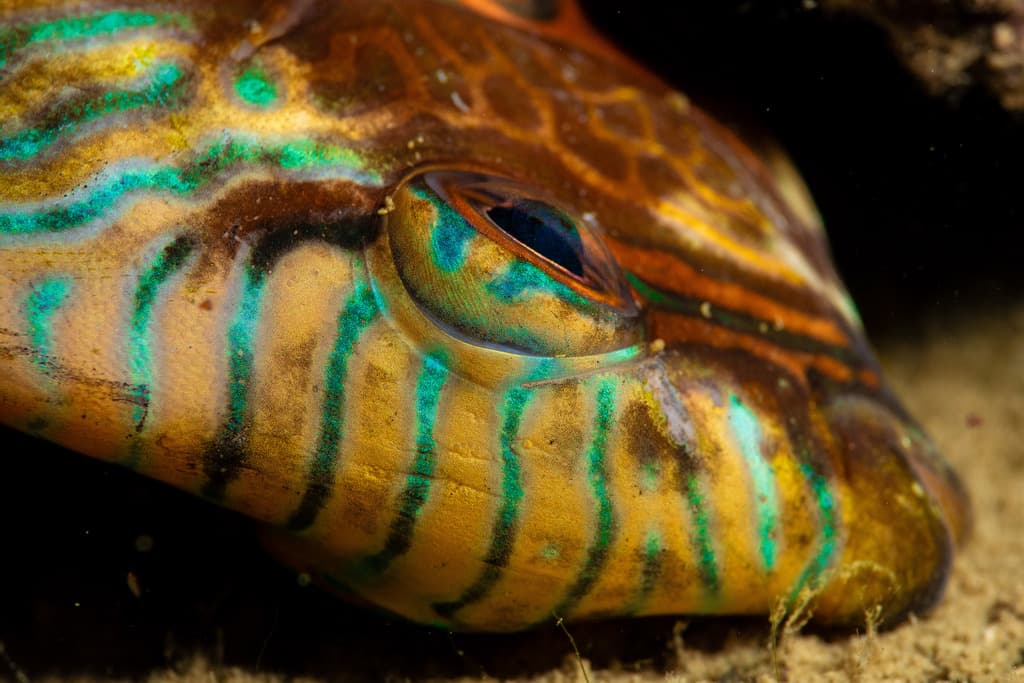
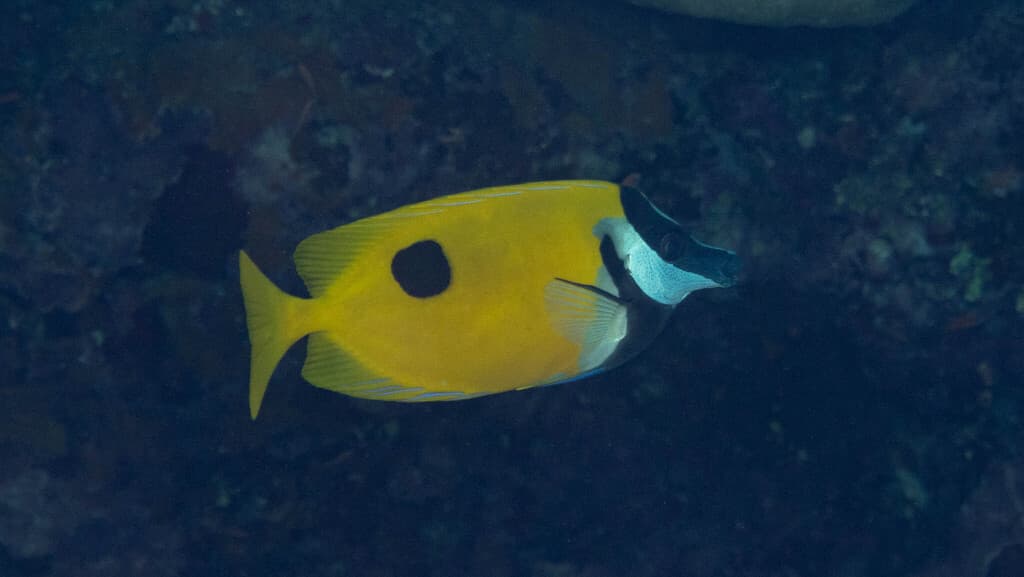
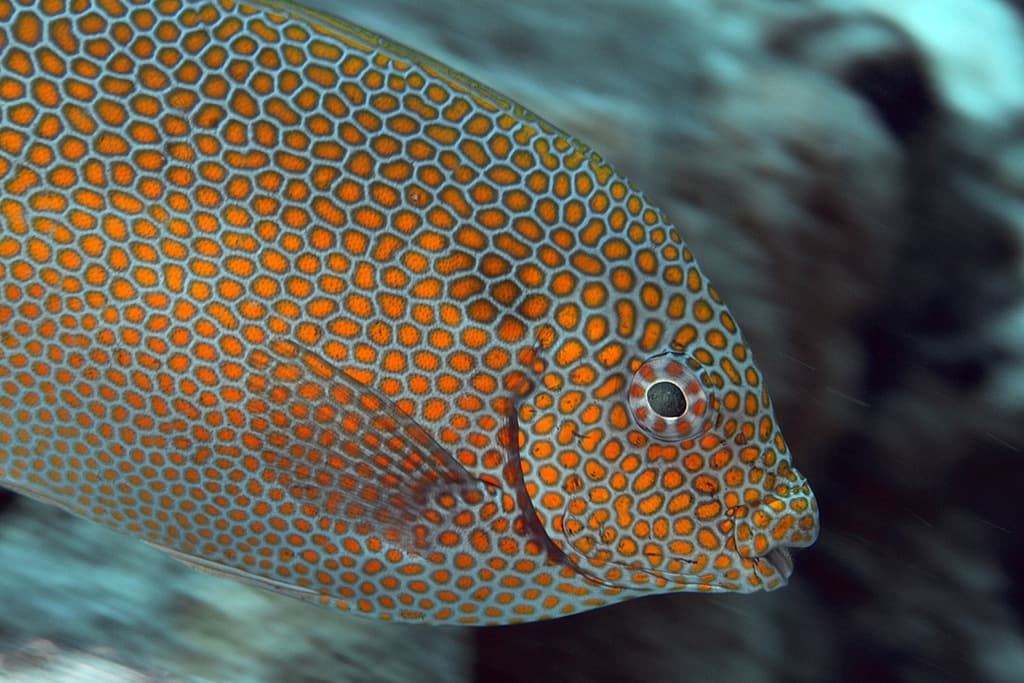
The Gold-spotted Rabbitfish is an impressive and attractive species featuring a blue-gray to olive body densely covered with golden-orange spots that give it a peppered appearance. The spots become more closely spaced and vivid toward the head, and the fins display a similar spotted pattern. Growing larger than many other rabbitfish species, it makes a bold and eye-catching addition to spacious marine aquariums.
In the wild, the Gold-spotted Rabbitfish inhabits outer reef slopes, lagoons, and channels across the western Pacific. It is typically found in pairs or small groups, grazing on algae growing on rocky and coral substrates. Like all siganids, it possesses venomous dorsal and anal fin spines that can inflict a painful wound, and aquarists must handle this species with appropriate caution during tank maintenance or transfer.
This species is a voracious and indiscriminate algae eater, making it one of the best biological controls for nuisance algae in large reef aquariums. It will consume hair algae, bubble algae, bryopsis, and many other algae varieties that other herbivores ignore. The Gold-spotted Rabbitfish is hardy, disease-resistant, and accepts prepared foods readily, but its larger adult size of up to 16 inches necessitates a spacious aquarium of at least 180 gallons. It is reef-safe when properly fed, though extreme hunger may drive it to sample soft coral polyps.
Feeding & Diet
Herbivore
Gold-spotted Rabbitfish are herbivores that graze on a wide variety of algae in the wild. In captivity, provide generous portions of marine algae sheets (nori), spirulina pellets and flakes, and frozen herbivore preparations. They will accept frozen mysis shrimp as a supplement. Due to their larger size, they require more food than smaller rabbitfish. Feed two to three times daily.
Compatibility
reef-safepeacefulalgae-eatercommunity-safebeginner-friendlyvenomous-spineslarge-species
The Gold-spotted Rabbitfish is peaceful toward all tankmates and coexists well with tangs, angelfish, clownfish, wrasses, and other community species. It may show aggression toward conspecifics or very similar species in smaller systems. Its venomous spines provide effective protection against bullying. Best kept singly or in bonded pairs in very large aquariums.
Check CompatibilityBreeding
Not bred in captivity
Gold-spotted Rabbitfish have not been bred in home aquariums. They form pairs for spawning and release eggs into the water column. The pelagic larval phase is extended and has not been successfully replicated in captivity. All specimens available in the trade are wild-caught.
Special Requirements
- VENOMOUS dorsal and anal spines - handle with extreme care
- Large aquarium required due to adult size of 16 inches
- Provide abundant algae-based foods
- May nip at soft corals if severely underfed
- Changes color when stressed or sleeping - this is normal
- Robust filtration needed for larger specimens
Water Parameters
Temperature74–80°F
Specific Gravity1.02–1.026 sg
pH8.1–8.4
Alkalinity8–12 dKH
Coloration
blue-grayolivegoldorange
Tags
reef-safepeacefulalgae-eatercommunity-safebeginner-friendlyvenomous-spineslarge-species