IntermediatePeacefulNot Reef Safe
Speckled Butterflyfish
Chaetodon citrinellus
Family: Chaetodontidae · Butterflyfish
Also known as: Citron Butterflyfish, Speckled Coralfish
(c) John Sear, some rights reserved (CC BY-NC)
Max Size
5"
Min Tank
75 gal
Lifespan
5-7 years
Origin
Indo-Pacific, Western Pacific
Diet
Omnivore
Swims
Middle
About
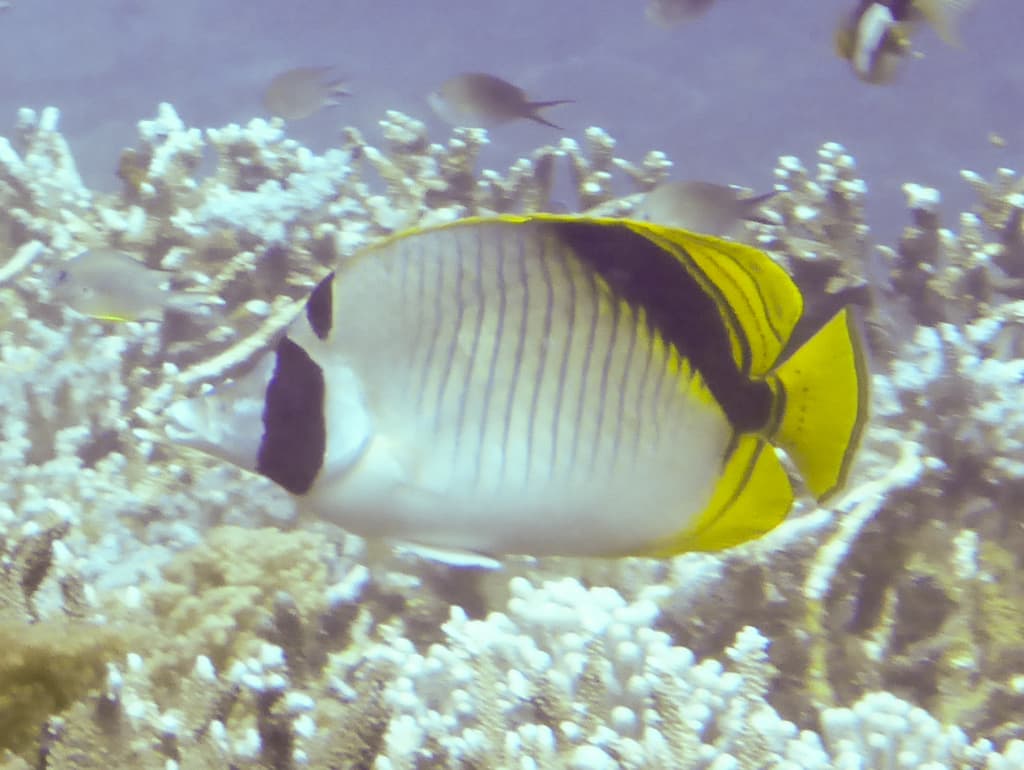
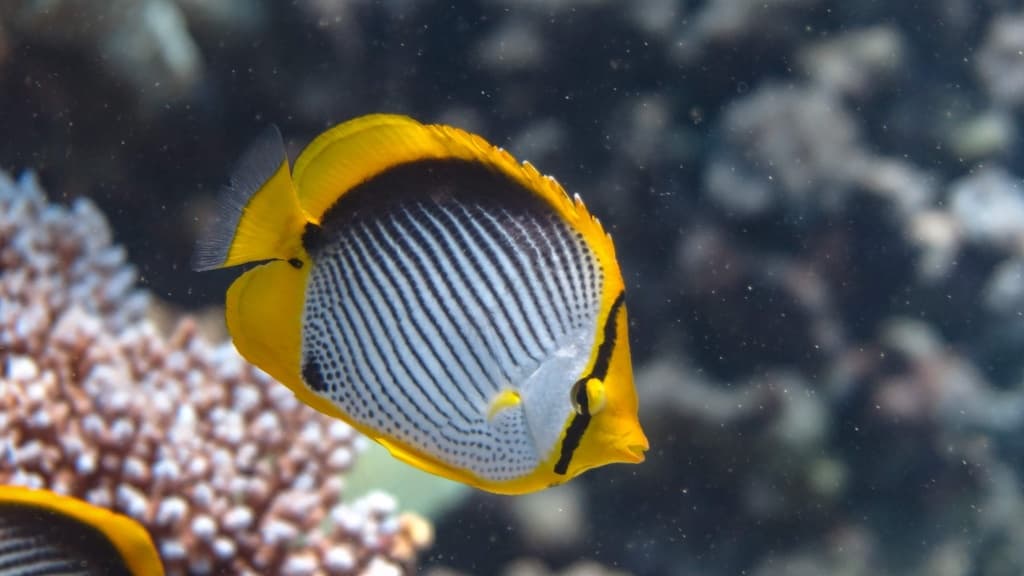
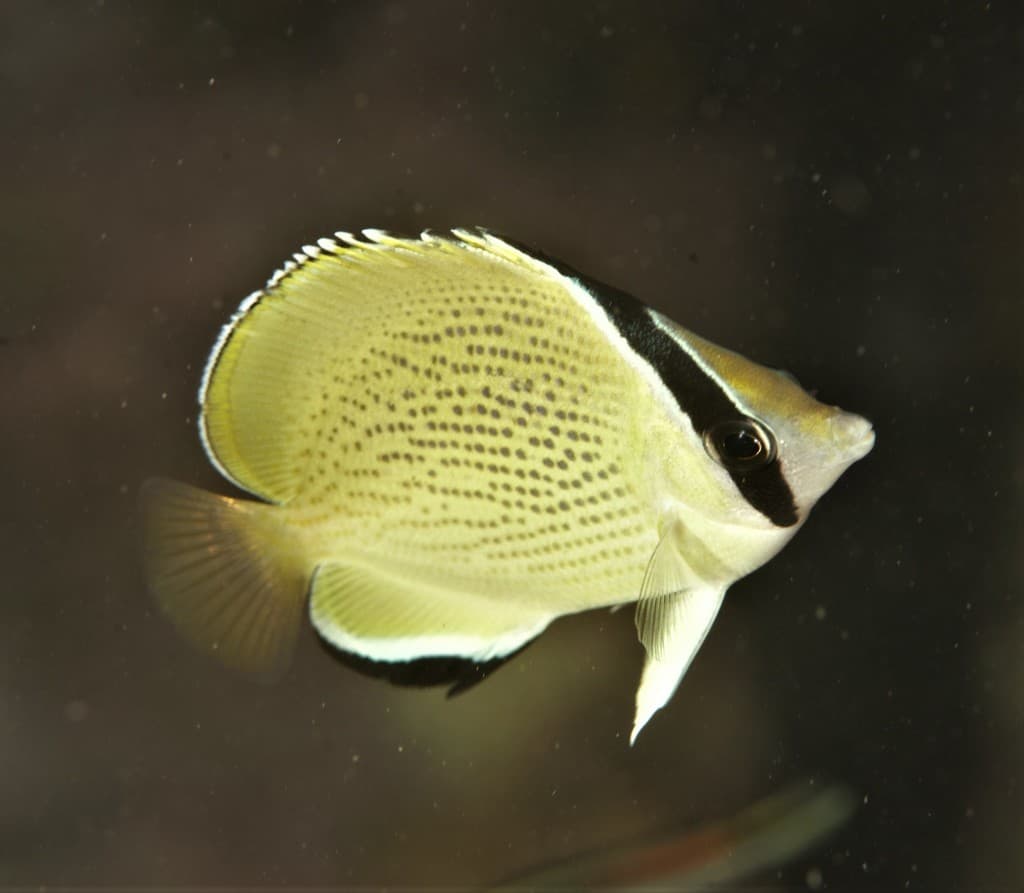
The Speckled Butterflyfish is an attractive and moderately common species recognized by its pale yellow to white body covered with fine dark speckles or spots arranged in neat horizontal rows. A vertical dark band passes through the eye, and the dorsal and anal fins are edged in bright yellow with a thin black submarginal line. This clean, geometric patterning gives it a refined and elegant appearance.
In the wild, the Speckled Butterflyfish inhabits lagoon and outer reef areas where it feeds on coral polyps, algae, and small invertebrates. This varied diet, while making it adaptable to captive feeding, also means it is not considered reef-safe and will readily pick at soft and hard coral polyps, zoanthids, and other sessile invertebrates in the aquarium. It is best suited for fish-only or fish-only-with-live-rock setups.
The Speckled Butterflyfish adapts reasonably well to captivity, accepting frozen mysis shrimp, brine shrimp, and prepared foods once acclimated. It is a peaceful species that coexists well with a variety of tankmates and makes an excellent addition to larger community fish-only aquariums. Its manageable size, attractive speckled pattern, and peaceful disposition make it a rewarding choice for intermediate aquarists who maintain non-reef systems.
Feeding & Diet
Omnivore
Speckled Butterflyfish are omnivores that feed on coral polyps, algae, and small invertebrates in the wild. In captivity, they accept frozen mysis shrimp, brine shrimp, chopped seafood, marine pellets, and algae-based preparations. Feed two to three times daily with varied offerings.
Compatibility
peacefulnot-reef-safecommunity-safefish-onlypairs-well
The Speckled Butterflyfish is peaceful toward other fish and makes a good community tankmate in fish-only systems. Not reef-safe as it will consume coral polyps, zoanthids, and small invertebrates. Can be kept with other peaceful to semi-aggressive species of similar size.
Check CompatibilityBreeding
Not bred in captivity
Speckled Butterflyfish are pelagic spawners that have not been successfully bred in home aquariums. Pairs rise into the water column at dusk to release eggs. The planktonic larval phase is extremely difficult to replicate.
Special Requirements
- Not suitable for reef aquariums — will eat coral polyps
- Well-established aquarium with live rock preferred
- Provide ample swimming space
- Best kept singly or as a mated pair
- Avoid housing with aggressive species
Water Parameters
Temperature72–80°F
Specific Gravity1.02–1.026 sg
pH8.1–8.4
Alkalinity8–12 dKH
Coloration
yellowwhiteblack
Tags
peacefulnot-reef-safecommunity-safefish-onlypairs-well