AdvancedPeacefulNot Reef Safe
Longhorn Cowfish
Lactoria cornuta
Family: Ostraciidae · Boxfish & Cowfish
Also known as: Horned Boxfish, Long-Horned Cowfish, Horned Cowfish
(c) John Sear, some rights reserved (CC BY-NC)
Max Size
18"
Min Tank
125 gal
Lifespan
5-8 years
Origin
Indo-Pacific, Red Sea
Diet
Omnivore
Swims
Middle
About
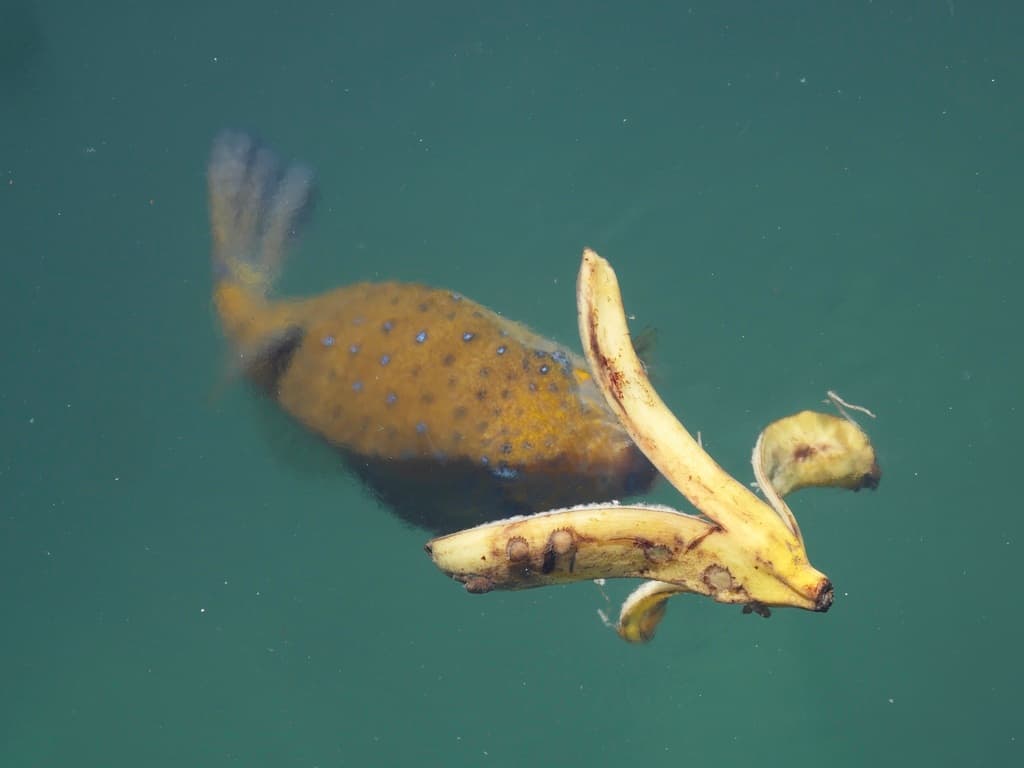
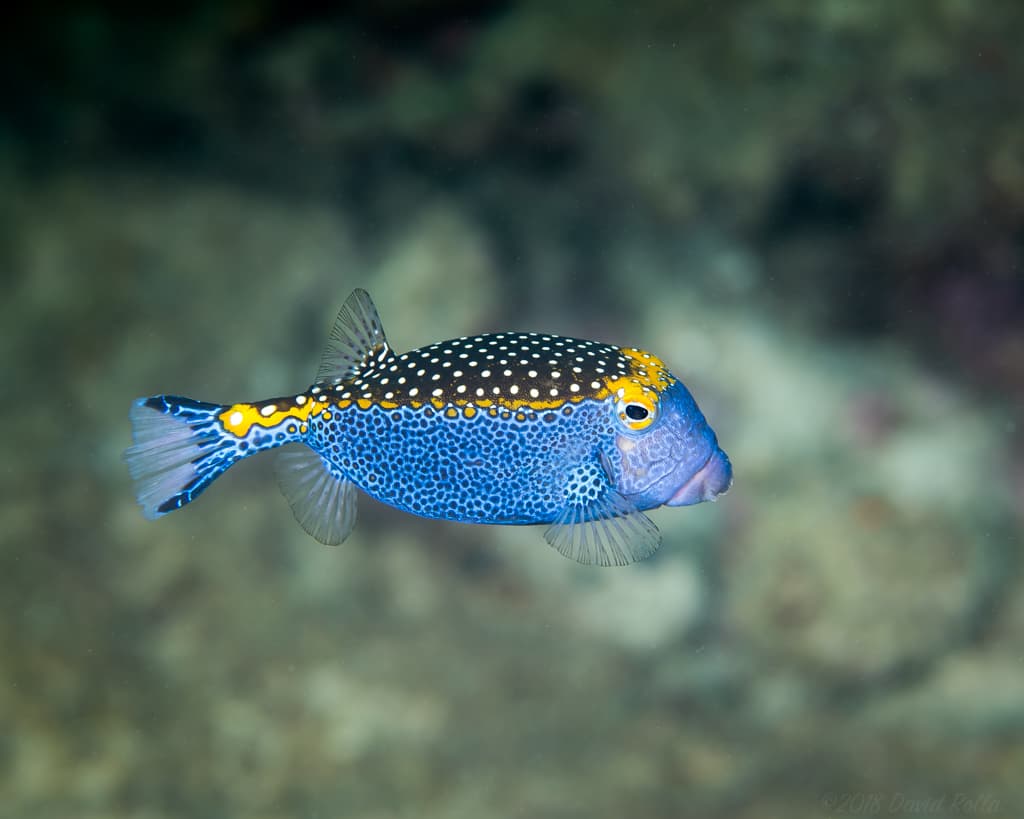
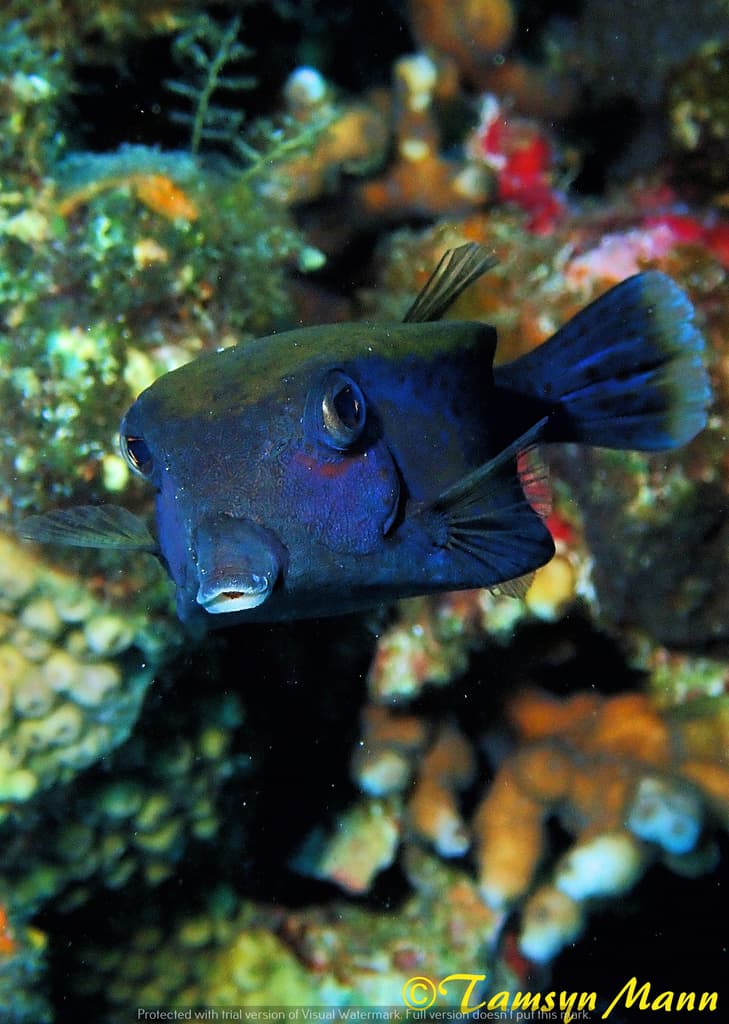
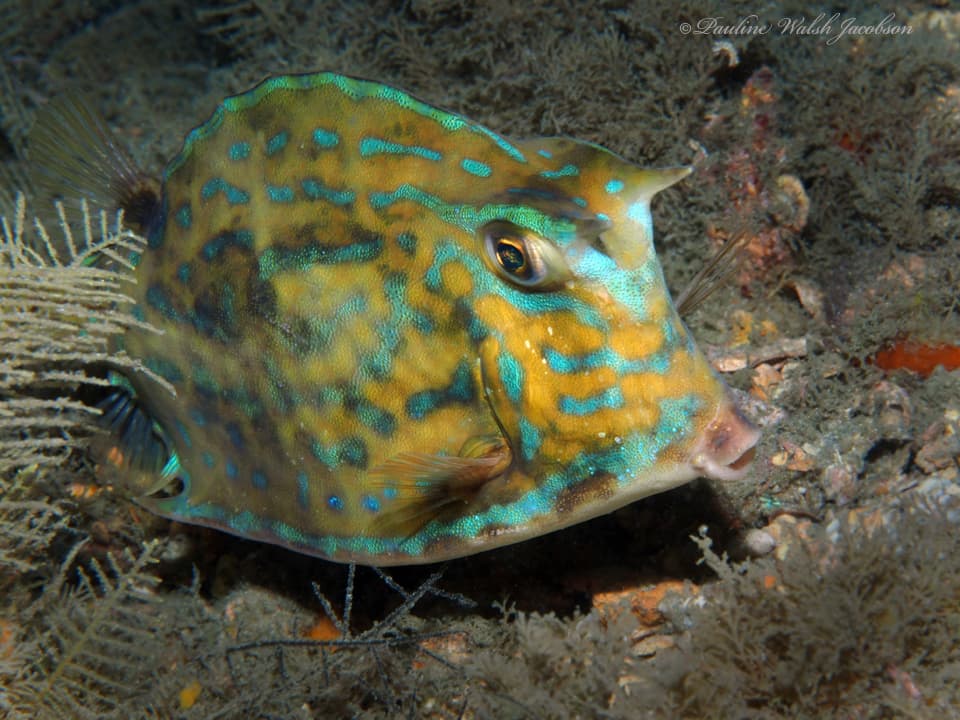
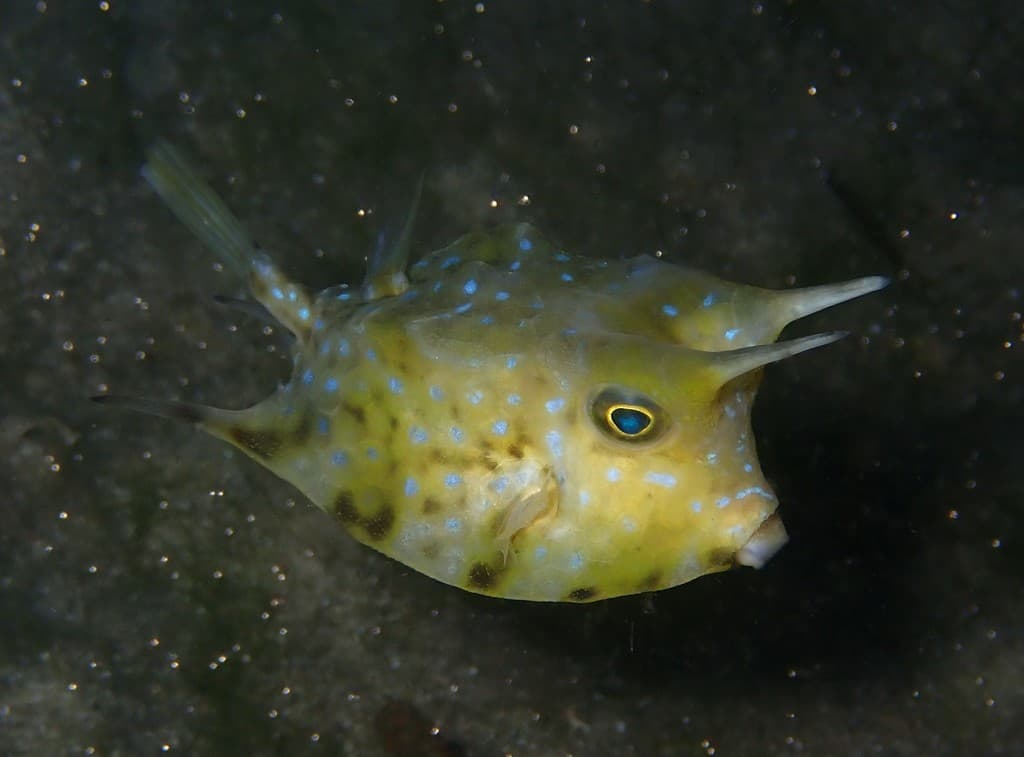
The Longhorn Cowfish is one of the most unmistakable and endearing fish in the marine aquarium hobby. Its boxy, angular body is encased in a rigid carapace of fused bony plates, and it bears two prominent horn-like projections above the eyes and two more near the tail, giving it the bovine appearance that earns its common name. Typically bright yellow to olive-green and speckled with white or blue spots, the Longhorn Cowfish moves through the water with a hovering, almost comical flight-like motion powered by its small pectoral, dorsal, and anal fins.
Despite its charming appearance and slow-moving nature, the Longhorn Cowfish carries a serious hidden danger. When severely stressed, injured, or dying, this species can release ostracitoxin, a potent ichthyotoxin that can poison and potentially kill every other fish in the aquarium within hours. This chemical defense mechanism, shared by all members of the boxfish family, means that the Longhorn Cowfish must be kept only by experienced aquarists who understand the risks and can provide a stable, stress-free environment. Tank transfers, aggressive tankmates, and sudden environmental changes are the most common triggers for toxin release.
Due to its toxin risk, the Longhorn Cowfish is best housed in a large, peaceful fish-only aquarium with calm, non-aggressive tankmates. It is not suitable for reef aquariums, as it may nibble on corals and invertebrates, and the toxin risk makes a mixed reef setup particularly dangerous. Despite these challenges, the Longhorn Cowfish rewards dedicated keepers with a surprisingly interactive personality. They quickly learn to recognize their owners, beg for food at the surface, and can even learn to squirt water at their keepers to demand attention.
Feeding & Diet
Omnivore
Longhorn Cowfish are omnivores that feed on a variety of benthic invertebrates and algae in the wild. In captivity, offer a varied diet of frozen mysis shrimp, enriched brine shrimp, chopped seafood, marine algae, and high-quality pellets or flakes. They are slow, deliberate feeders that may be outcompeted by faster tankmates, so target feeding may be necessary. Feed two to three times daily in small amounts.
Compatibility
not-reef-safepeacefultoxin-riskslow-swimmerfish-onlypersonality-fish
The Longhorn Cowfish is a peaceful, slow-moving species that must be kept with equally calm tankmates. Aggressive or boisterous fish can stress the cowfish and trigger its toxin release defense. Compatible with other peaceful species such as small tangs, gobies, and seahorses. Avoid housing with triggers, aggressive wrasses, or territorial damselfish. The toxin risk means careful consideration must be given to every tankmate selection.
Check CompatibilityBreeding
Not bred in captivity
Longhorn Cowfish have not been bred in home aquariums. In the wild, they are pelagic spawners that release buoyant eggs into the water column at dusk. The larvae undergo an extended planktonic phase before settling onto the reef. The combination of their specialized body plan, toxin risk, and larval rearing challenges makes captive breeding impractical.
Special Requirements
- CRITICAL: Releases deadly ostracitoxin when severely stressed or dying - can kill all tank inhabitants
- Not suitable for reef aquariums due to toxin risk and coral nipping
- Peaceful, non-aggressive tankmates only to minimize stress
- Slow feeder - may require target feeding to ensure adequate nutrition
- Stable water parameters essential to prevent stress responses
- Have activated carbon and a backup plan ready in case of toxin release
- Avoid netting - use a container to transfer to prevent stress
Water Parameters
Temperature72–78°F
Specific Gravity1.02–1.025 sg
pH8.1–8.4
Alkalinity8–12 dKH
Coloration
yellowolivebluewhite
Tags
not-reef-safepeacefultoxin-riskslow-swimmerfish-onlypersonality-fish