IntermediatePeacefulReef Safe
Ignitus Anthias
Pseudanthias ignitus
Family: Serranidae · Anthias
Also known as: Flame Anthias, Ignite Anthias
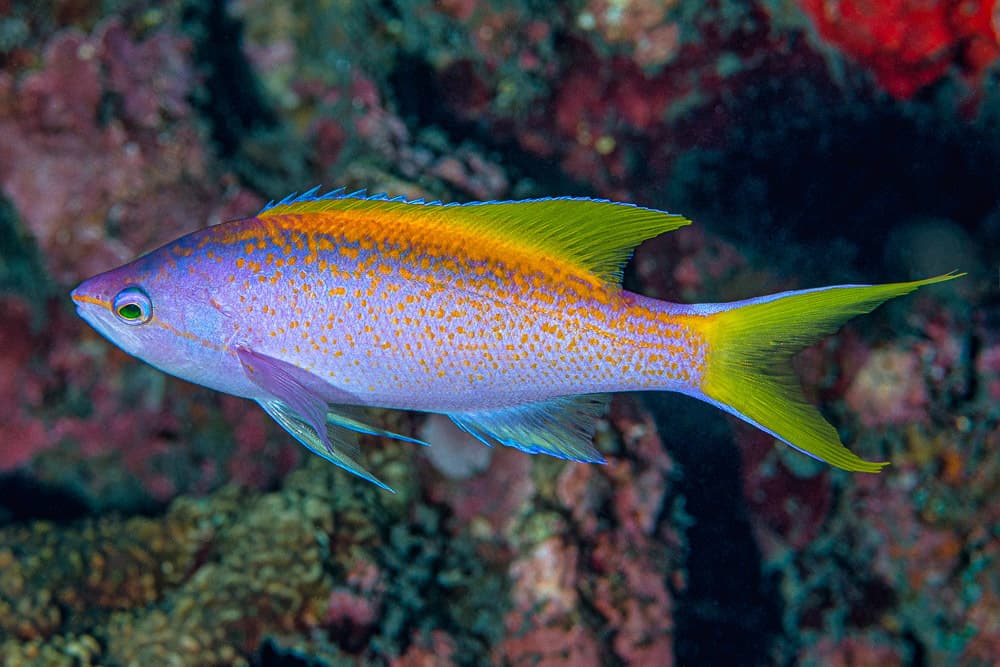
(c) Barna Takats, some rights reserved (CC BY-NC)
Max Size
3"
Min Tank
55 gal
Lifespan
5-7 years
Origin
Indo-Pacific, Indonesia
Diet
Planktivore
Swims
Middle
About
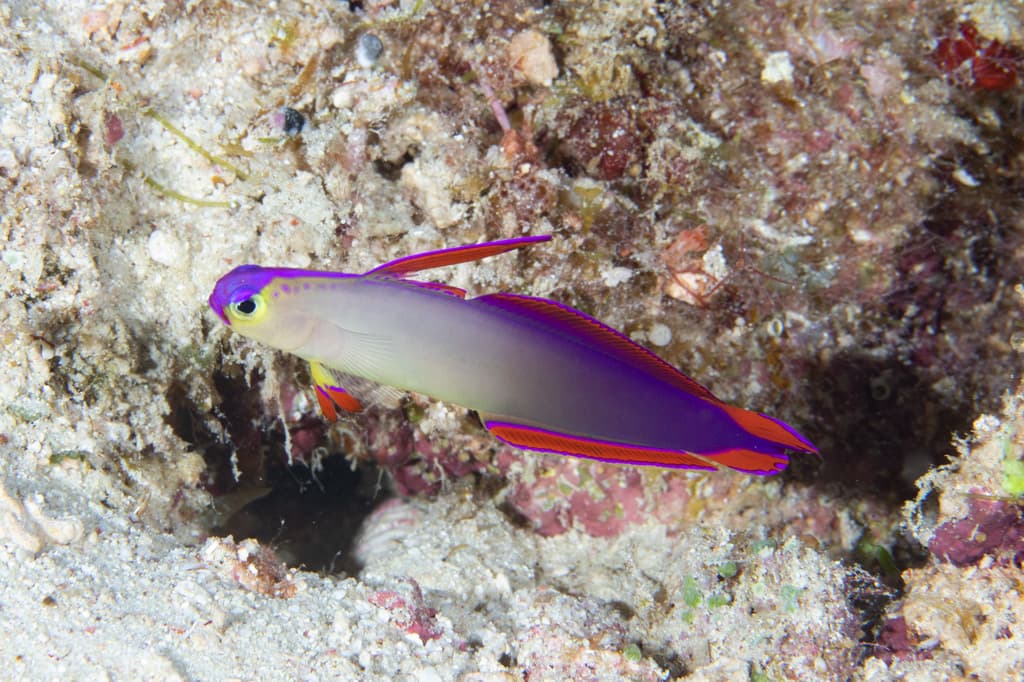
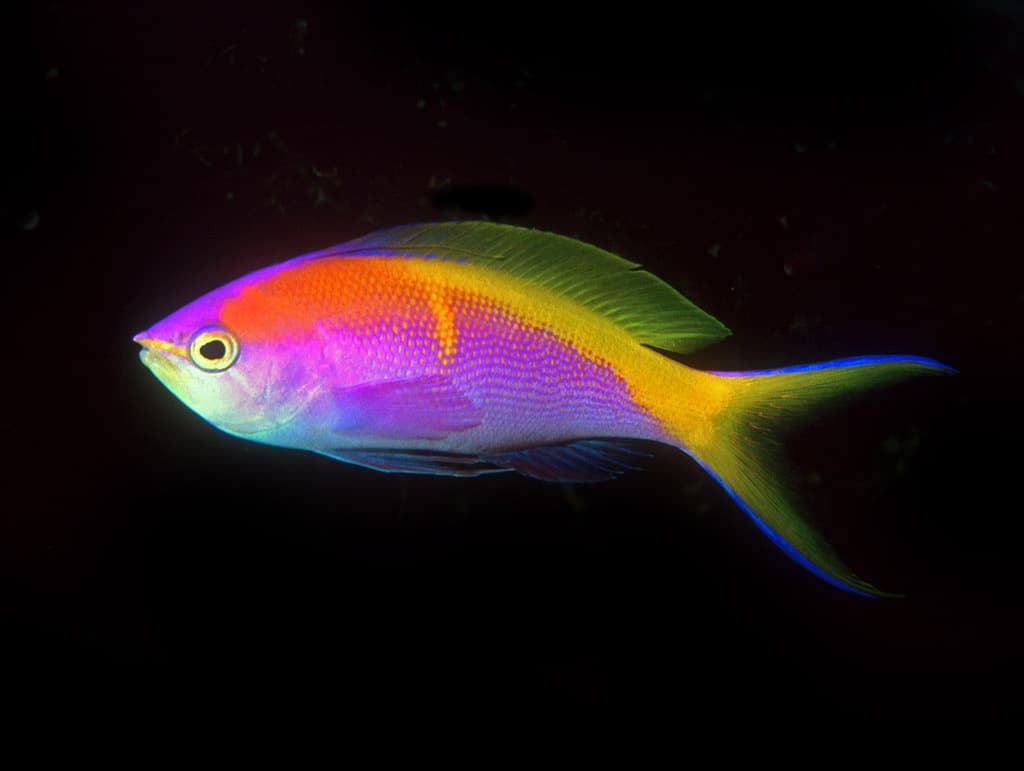
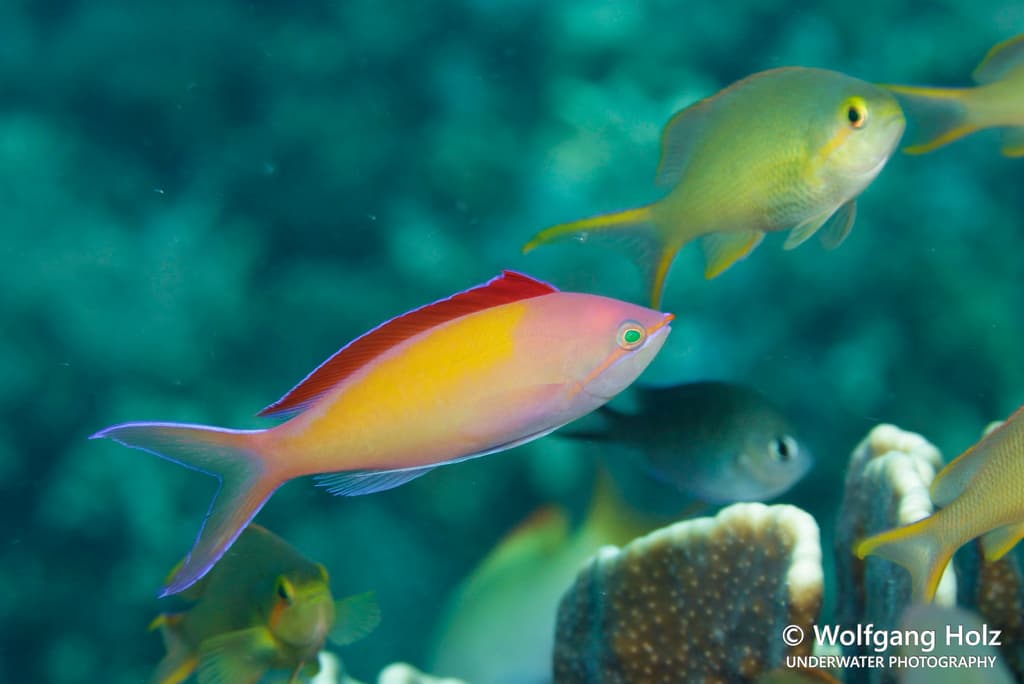
The Ignitus Anthias is a visually striking species named for the flame-like coloration displayed by males. Male Ignitus Anthias are truly spectacular, exhibiting fiery orange-red bodies with deep magenta accents along the dorsal fin and face, creating an appearance reminiscent of flickering flames. Females, by contrast, display a more understated orange-pink coloration with subtle yellow tones, though they are attractive in their own right. This strong sexual dichromatism is one of the species' most appealing characteristics.
Found throughout the Indo-Pacific on reef slopes at moderate depths, this species forms small haremic groups where a single dominant male maintains a territory with several females. In the aquarium, replicating this social structure is essential for success. A group of one male with three to five females in a tank of at least 55 gallons provides enough space for natural social interactions without excessive territorial behavior.
The Ignitus Anthias is considered moderately difficult to maintain, falling in the middle of the anthias care spectrum. It is more forgiving than deep-water specialists like Ventralis or Purple Queen Anthias, but still demands the frequent feedings and stable water quality that all anthias require. Their stunning flame coloration and active swimming behavior make them a centerpiece addition to any well-maintained reef aquarium.
Feeding & Diet
Planktivore
Ignitus Anthias are planktivores feeding on zooplankton in the water column. Provide frozen mysis shrimp, enriched brine shrimp, cyclopeeze, and quality marine pellets. Feed at least three times daily to maintain their vibrant coloration and body condition.
Compatibility
reef-safepeacefulschoolingcommunity-safeplanktivore
Ignitus Anthias are peaceful and compatible with most reef community fish. Males may be territorial toward each other, so keep only one male per group. They mix well with clownfish, tangs, wrasses, gobies, and other non-aggressive species.
Check CompatibilityBreeding
Very Difficult
Ignitus Anthias are protogynous hermaphrodites. The dominant female will transition to male if the existing male is lost. Spawning occurs at dusk but captive rearing of larvae has not been successfully documented.
Special Requirements
- Requires multiple feedings per day (3+ minimum)
- Best kept in a harem of one male with several females
- Moderate water flow preferred
- Provide open swimming space in middle water column
- Automatic feeder recommended
Water Parameters
Temperature72–78°F
Specific Gravity1.02–1.026 sg
pH8.1–8.4
Alkalinity8–12 dKH
Coloration
orangeredmagentaflamepink
Tags
reef-safepeacefulschoolingcommunity-safeplanktivore