IntermediatePeacefulReef Safe
Carberryi Anthias
Nemanthias carberryi
Family: Serranidae · Anthias
Also known as: Threadfin Anthias, Silverstreak Anthias
(c) aspearton, some rights reserved (CC BY-NC)
Max Size
2"
Min Tank
30 gal
Lifespan
4-6 years
Origin
Indian Ocean, Maldives
Diet
Planktivore
Swims
Middle
About
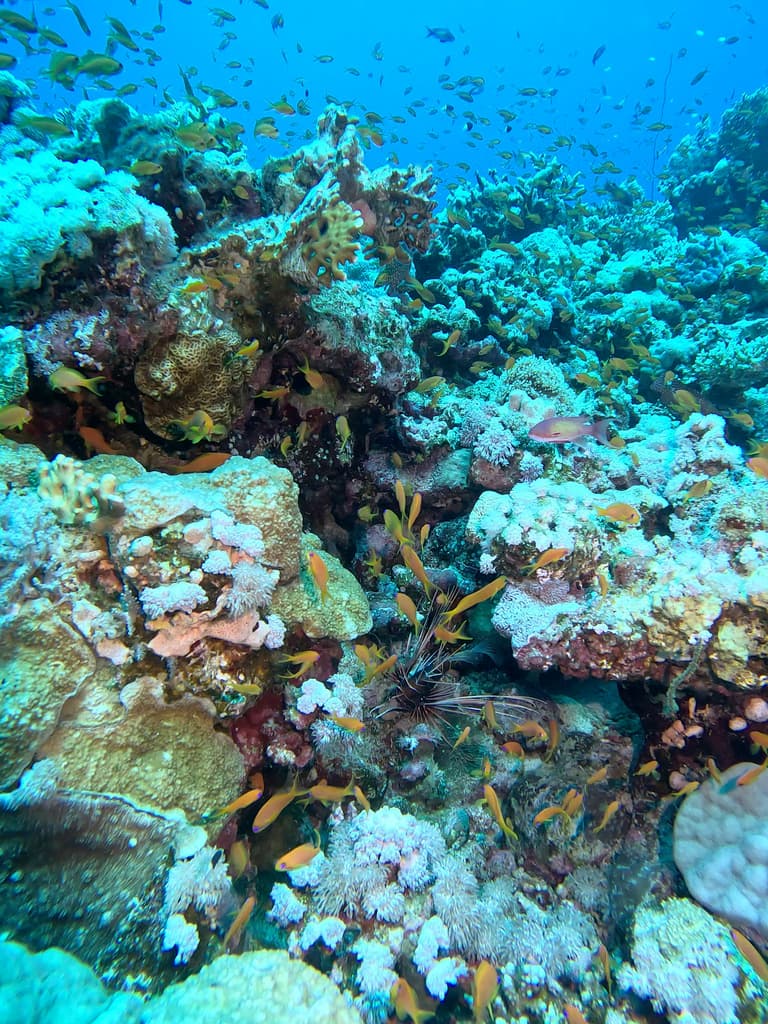
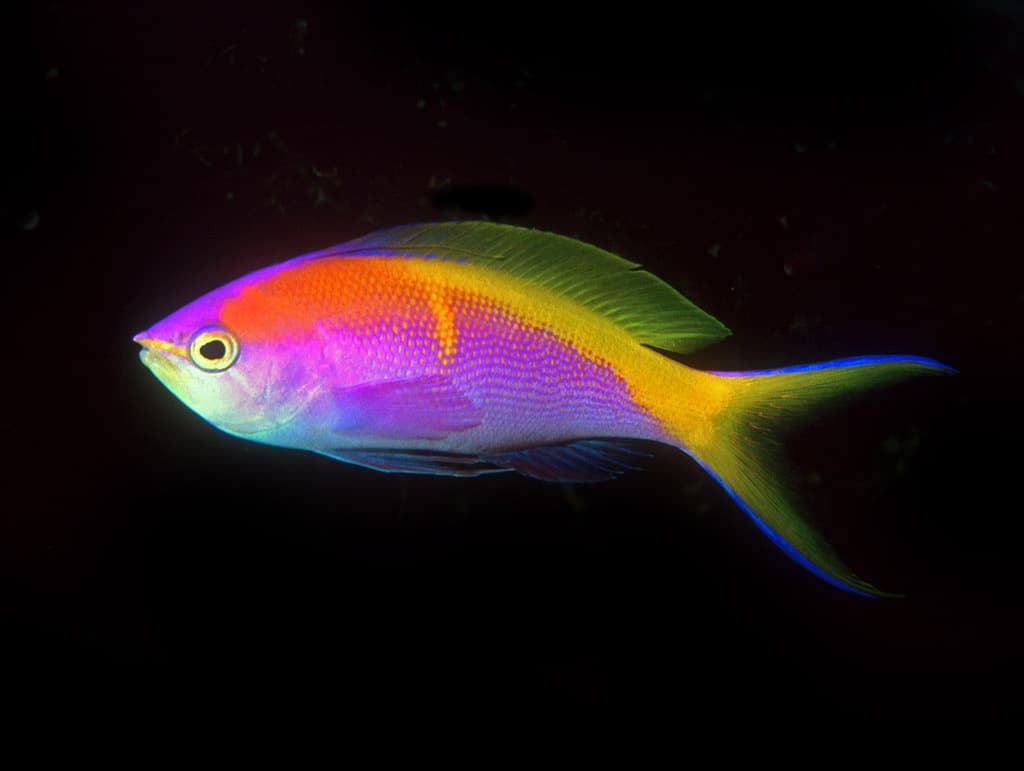
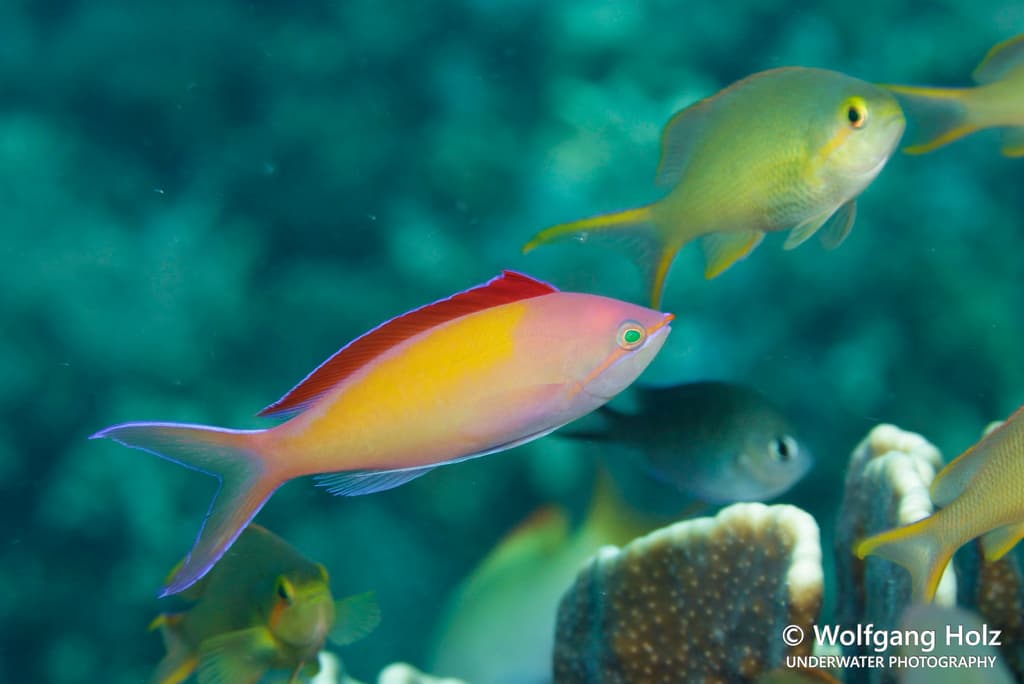
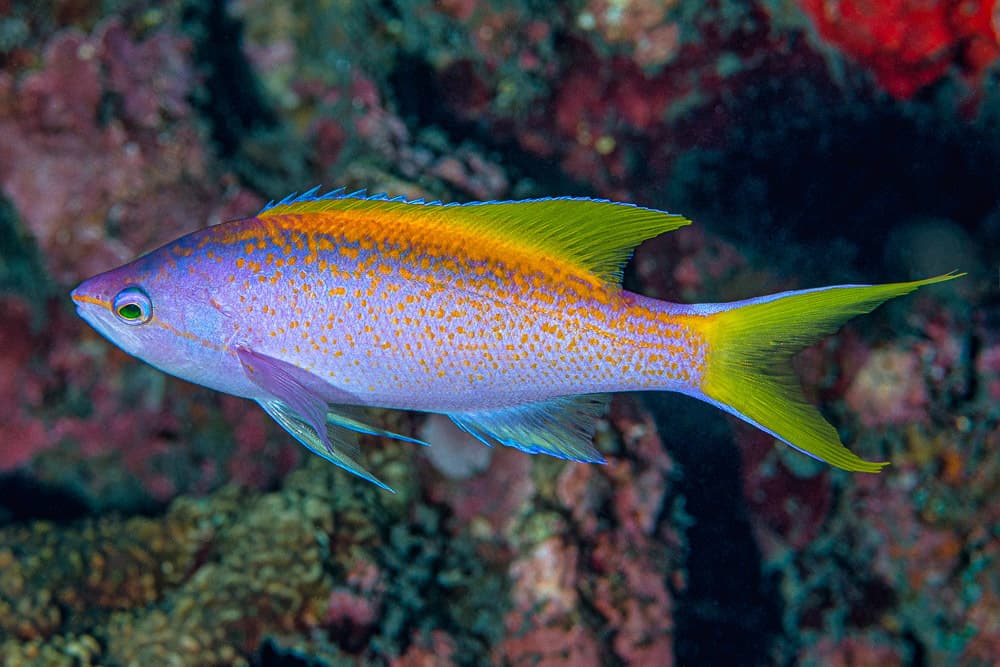
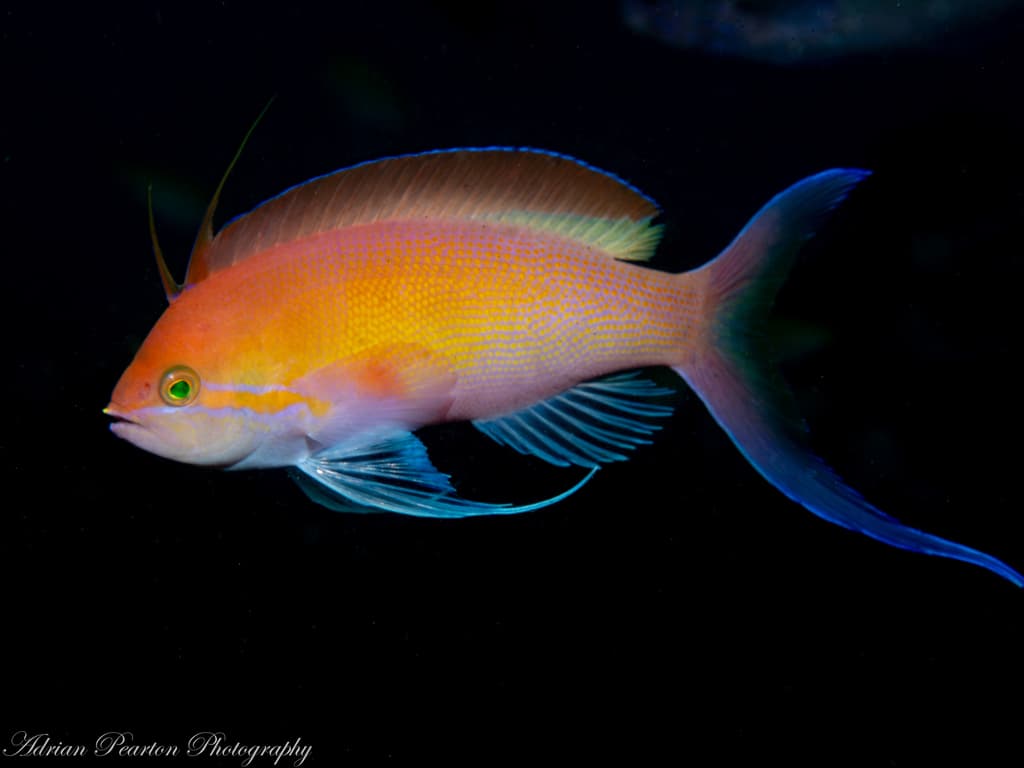
The Carberryi Anthias is a small and strikingly colored species from the Indian Ocean, easily recognized by its elongated dorsal fin filaments and vibrant yellow-green body coloration. Males display an especially vivid combination of lime green and yellow with purple accents along the dorsal fin and facial markings, while females are a more subdued yellow-green. In the wild, they form large schools along steep outer reef walls and drop-offs, often at moderate depths.
This species is classified in the genus Nemanthias rather than Pseudanthias, distinguished by its threadlike dorsal fin extensions and slightly different body shape. Despite these taxonomic differences, their care requirements are similar to other anthias. They are moderately difficult to keep, requiring frequent feedings and stable water conditions, but adapt to captivity better than many deep-water anthias species.
Carberryi Anthias thrive in groups of one male with three to five females. They are active swimmers that prefer moderate to strong water current and plenty of open space in the middle to upper water column. Their schooling behavior is particularly attractive, as a group will hover and dart in coordinated fashion above the reef structure. They are completely reef-safe and pose no threat to corals or invertebrates.
Feeding & Diet
Planktivore
Carberryi Anthias are planktivores that feed primarily on zooplankton in the water column. Provide frozen mysis shrimp, enriched brine shrimp, cyclopeeze, and fine marine pellets. Feed at least three times daily to sustain their high metabolism.
Compatibility
reef-safepeacefulschoolingcommunity-safeplanktivore
Carberryi Anthias are very peaceful and compatible with most reef community fish. Keep only one male per group. They do well alongside clownfish, tangs, wrasses, gobies, and other non-aggressive tankmates.
Check CompatibilityBreeding
Very Difficult
Carberryi Anthias are protogynous hermaphrodites with the dominant female transitioning to male when needed. Captive breeding has not been successfully achieved due to the extremely small larval size and specialized feeding requirements.
Special Requirements
- Requires multiple feedings per day (3+ minimum)
- Best kept in a harem of one male with several females
- Moderate to strong water flow preferred
- Provide open swimming space for schooling behavior
- Automatic feeder recommended
Water Parameters
Temperature72–78°F
Specific Gravity1.02–1.026 sg
pH8.1–8.4
Alkalinity8–12 dKH
Coloration
yellowgreenlimepurple
Tags
reef-safepeacefulschoolingcommunity-safeplanktivore