IntermediateSemi-AggressiveNot Reef Safe
Niger Triggerfish
Odonus niger
Family: Balistidae · Triggerfish
Also known as: Redtooth Triggerfish, Red-Toothed Triggerfish
(c) pleahy, all rights reserved
Max Size
12"
Min Tank
75 gal
Lifespan
10-15 years
Origin
Indo-Pacific, Red Sea
Diet
Omnivore
Swims
All
About
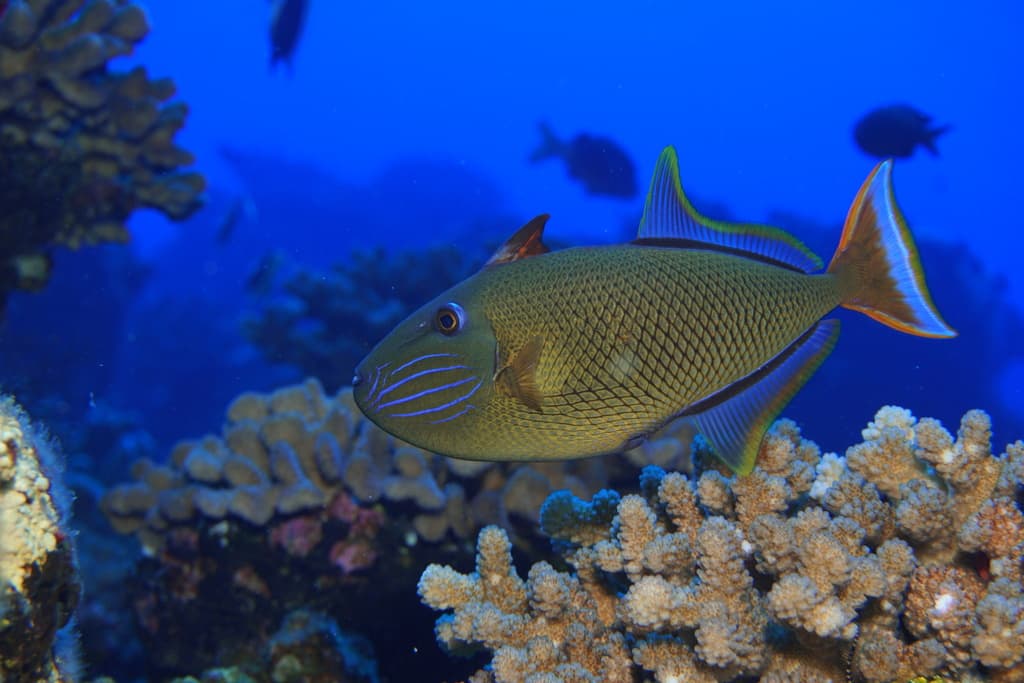
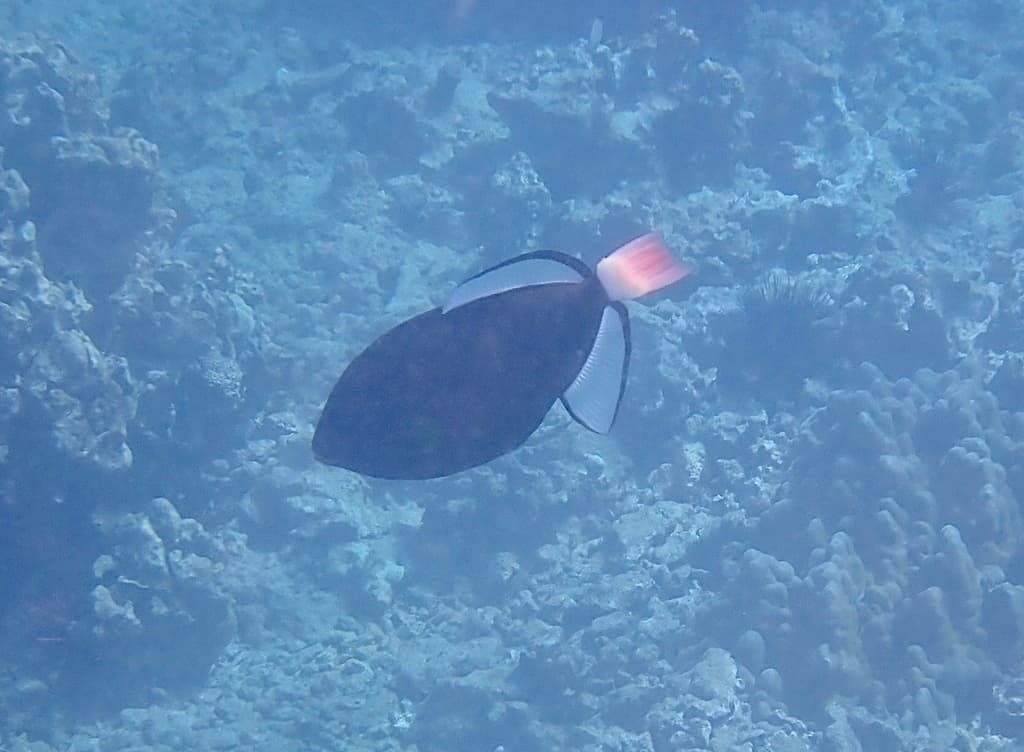
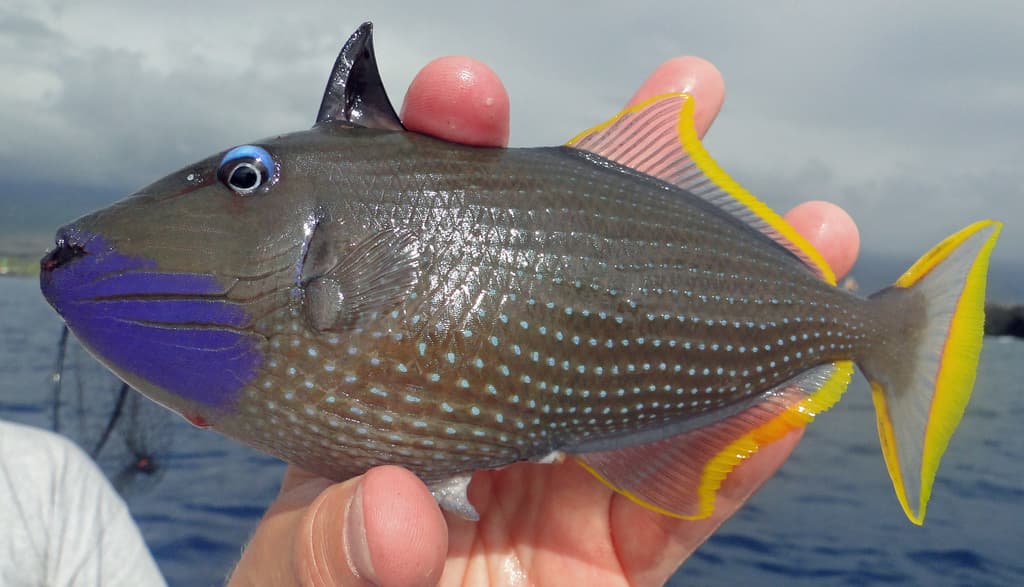
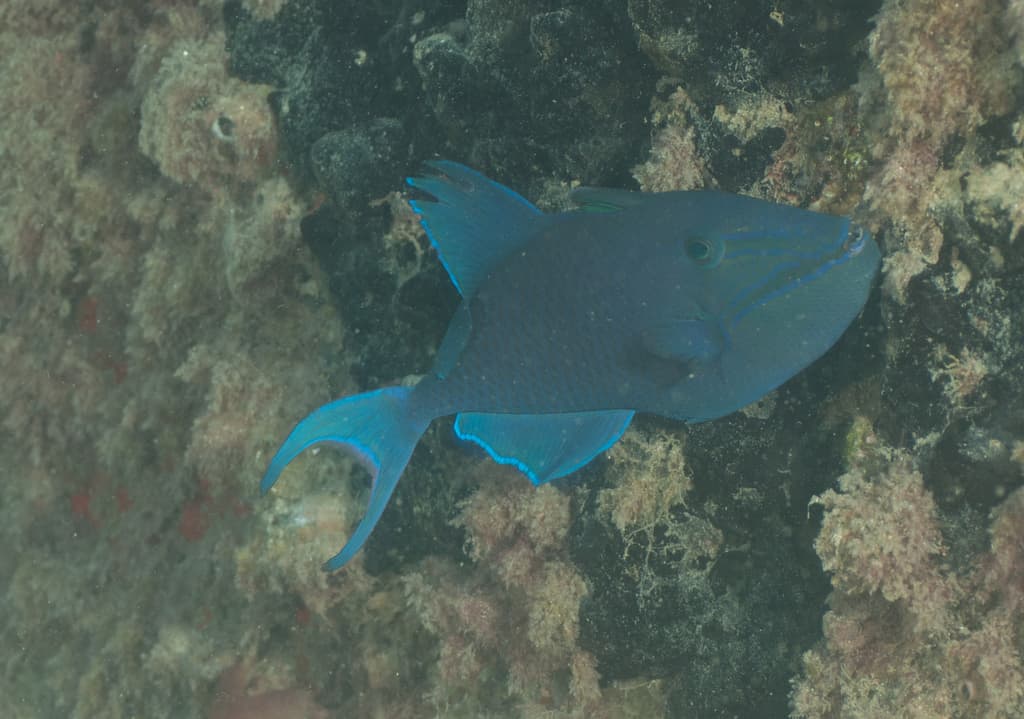
The Niger Triggerfish is a uniquely beautiful species that displays an iridescent dark blue to purple body that can shift in hue depending on lighting conditions, often revealing green, teal, or indigo tones. Its most distinctive feature is its red-orange teeth, visible when the fish opens its mouth, which give rise to its alternate common name. It also features a deeply forked, lyrate tail that is unusual among triggerfish and adds to its graceful swimming appearance.
This species is considered one of the more docile triggerfish, particularly when young, though it can become territorial and semi-aggressive as it matures. It is an active, intelligent fish that quickly recognizes its keeper and often develops an interactive personality. Niger Triggerfish are remarkably hardy and resistant to common marine diseases, making them a low-maintenance choice for aquarists with appropriate tank space.
While the Niger Triggerfish is less destructive than many triggerfish species, it is not reef-safe and will consume ornamental invertebrates including shrimp, crabs, snails, urchins, and may damage corals. It is best suited for fish-only or fish-only-with-live-rock setups. In these environments, it thrives alongside other robust, similarly-sized fish. A tight-fitting lid is absolutely essential, as this species is a notorious jumper.
Feeding & Diet
Omnivore
Niger Triggerfish are omnivores that feed on zooplankton, sponges, algae, and various invertebrates in the wild. In captivity, offer a varied diet of frozen krill, mysis shrimp, squid, chopped seafood, marine pellets, and algae sheets. Hard-shelled foods like clams help wear down their continually growing teeth. Feed two to three times daily.
Compatibility
not-reef-safesemi-aggressiveintelligentfish-onlyhardy
The Niger Triggerfish is relatively peaceful for a triggerfish but can become territorial as it matures. It coexists well with tangs, large wrasses, large angelfish, and other robust species. Will consume shrimp, crabs, snails, and other invertebrates. Not safe for reef aquariums. May become aggressive toward smaller or passive tankmates.
Check CompatibilityBreeding
Not bred in captivity
Niger Triggerfish have not been successfully bred in home aquariums. In the wild, they form large aggregations for spawning. Males establish temporary territories on sandy substrate where females deposit eggs. The extended pelagic larval stage has not been replicated in captivity.
Special Requirements
- Tight-fitting lid absolutely essential - notorious jumper
- Provide hard-shelled foods to maintain teeth
- Not suitable for reef aquariums
- Strong filtration needed for heavy bioload
- Ample swimming space required for adult size
Water Parameters
Temperature74–80°F
Specific Gravity1.02–1.026 sg
pH8.1–8.4
Alkalinity8–12 dKH
Coloration
bluepurplegreenred
Tags
not-reef-safesemi-aggressiveintelligentfish-onlyhardy