BeginnerPeacefulReef Safe
White Grunt
Haemulon plumierii
Family: Haemulidae · Grunts & Sweetlips
Also known as: Common Grunt, Key West Grunt, Ronco
(c) bend2000, some rights reserved (CC BY-NC)
Max Size
18"
Min Tank
180 gal
Lifespan
8-15 years
Origin
Caribbean, Western Atlantic
Diet
Carnivore
Swims
Middle
About
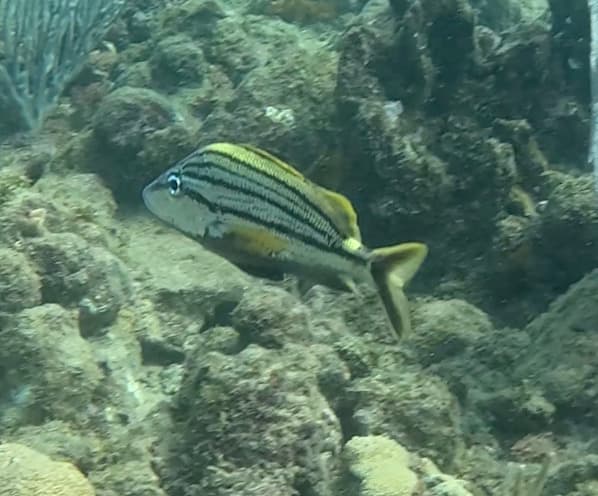
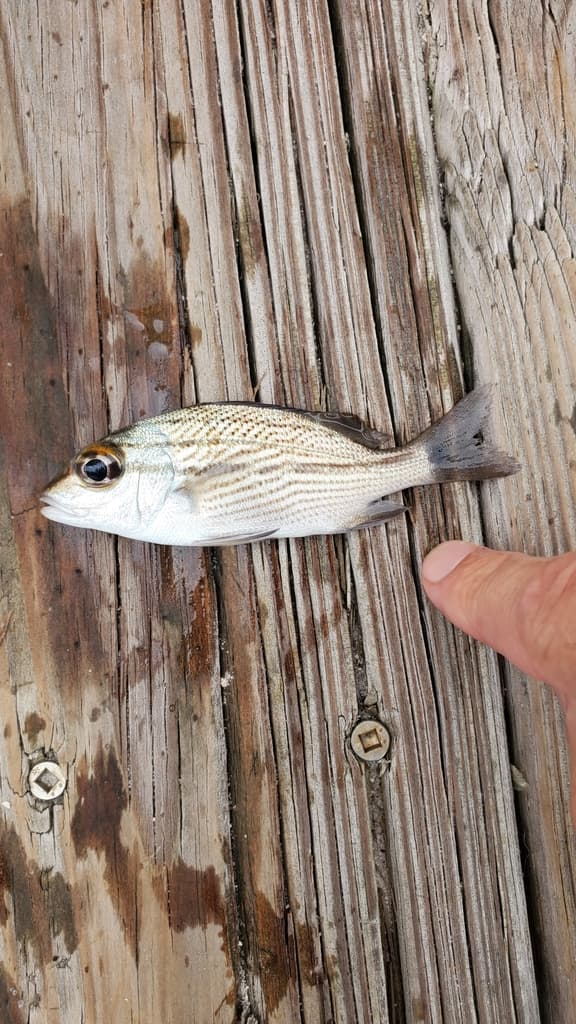
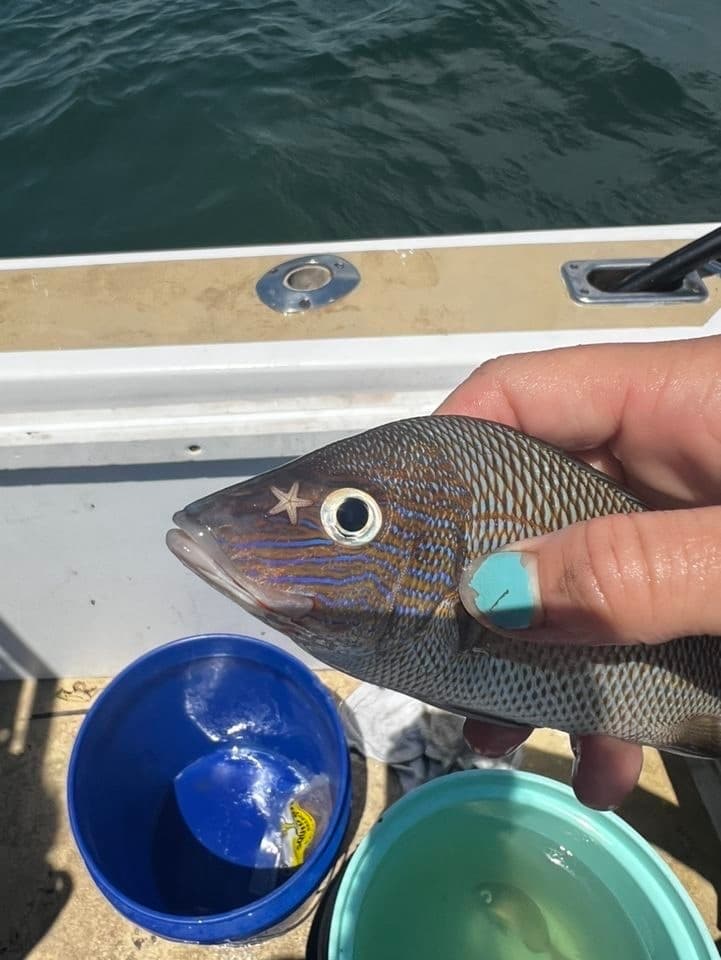
The White Grunt is one of the most abundant and familiar reef fish throughout the Caribbean and Western Atlantic, easily recognized by its silvery-white body adorned with bright yellow and blue horizontal stripes on the head and a distinctive pattern of yellow scaling across the body. This species gets its common name from the grunting sounds it produces by grinding its pharyngeal teeth, a behavior shared by all members of the grunt family that can often be heard by divers on the reef.
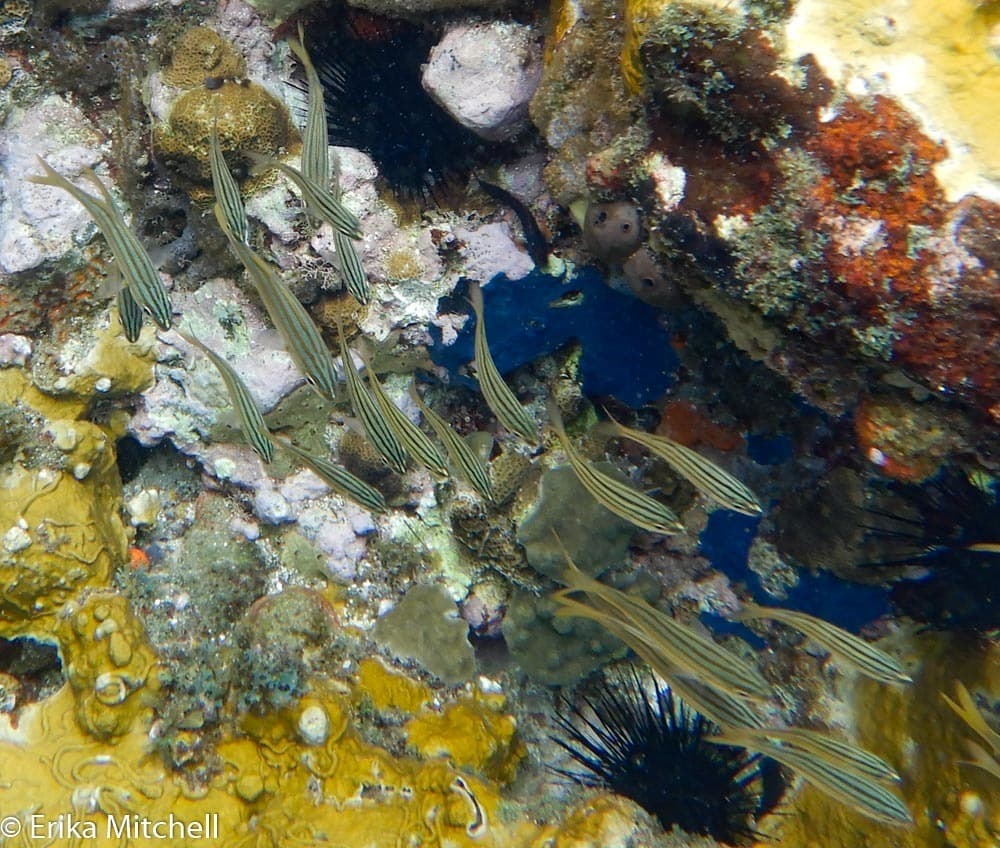
In the wild, Haemulon plumierii forms large, dense schools over coral reefs, rocky outcroppings, and seagrass beds from the southeastern United States and Bahamas through the Caribbean to Brazil. During the day, large aggregations shelter near reef structures, and at dusk the schools break apart as individuals venture out over sandy and grassy areas to forage for crustaceans, worms, mollusks, and small invertebrates. This daily migration between resting and feeding areas is one of the most studied behaviors in Caribbean reef fish ecology.
The White Grunt adapts well to aquarium life and is considered one of the easier grunt species to maintain. It is hardy, readily accepts prepared foods, and its schooling behavior makes it an attractive display fish when kept in groups of three or more. With a maximum size of around 18 inches, a tank of at least 180 gallons is recommended to accommodate a small group and allow natural schooling behavior.
Feeding & Diet
Carnivore
White Grunts are carnivores that feed on crustaceans, worms, and small invertebrates in the wild. In captivity, they readily accept frozen mysis shrimp, brine shrimp, chopped silversides, krill, and quality marine pellets. Their willingness to eat prepared foods makes them much easier to maintain than many other grunt species. Feed once or twice daily.
Compatibility
peacefulschoolingcommunity-safebeginner-friendlyCaribbean
The White Grunt is a peaceful, schooling species that gets along well with a wide variety of tankmates. It does best with other peaceful to moderately aggressive fish of similar size. Avoid housing with highly aggressive species that may break up the school. It may consume very small ornamental shrimp but generally leaves corals and larger invertebrates alone.
Check CompatibilityBreeding
Not bred in captivity
White Grunts have not been bred in home aquariums. They are pelagic spawners that release eggs into the water column, typically at dusk. In the wild, spawning occurs in large aggregations. The larvae undergo a planktonic phase before settling onto the reef. Captive breeding would require very large systems to accommodate spawning groups.
Special Requirements
- Best kept in groups of three or more for natural schooling behavior
- Provide open swimming space along with reef structure for shelter
- Produces audible grunting sounds — normal behavior, not a sign of distress
- Tank of 180+ gallons recommended for a small group
- Caribbean species — may prefer slightly warmer water temperatures
Water Parameters
Temperature72–80°F
Specific Gravity1.02–1.026 sg
pH8.1–8.4
Alkalinity8–12 dKH
Coloration
whitesilveryellow stripesblue stripes
Tags
peacefulschoolingcommunity-safebeginner-friendlyCaribbean