IntermediatePeacefulReef Safe
Browncheek Blenny
Acanthemblemaria crockeri
Family: Chaenopsidae · Blennies
Also known as: Crocker's Blenny, Browncheek Tube Blenny
(c) Cricket Raspet, some rights reserved (CC BY)
Max Size
1.5"
Min Tank
10 gal
Lifespan
3-5 years
Origin
Eastern Pacific, Gulf of California
Diet
Carnivore
Swims
Bottom
About
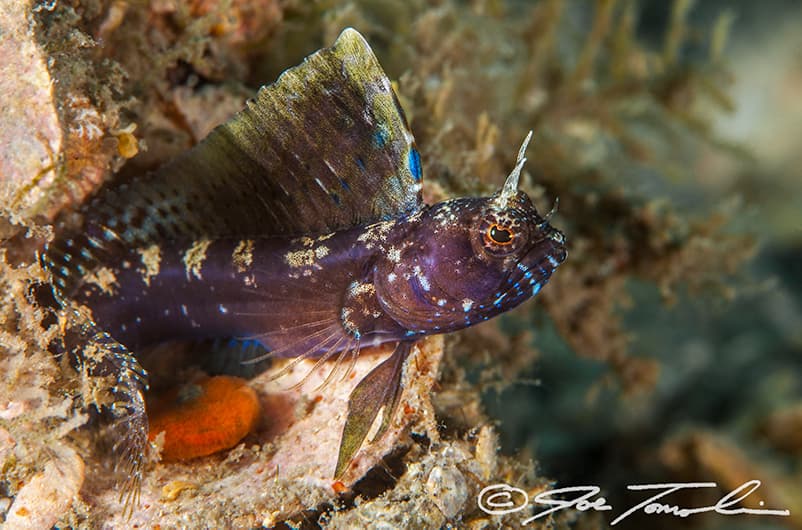
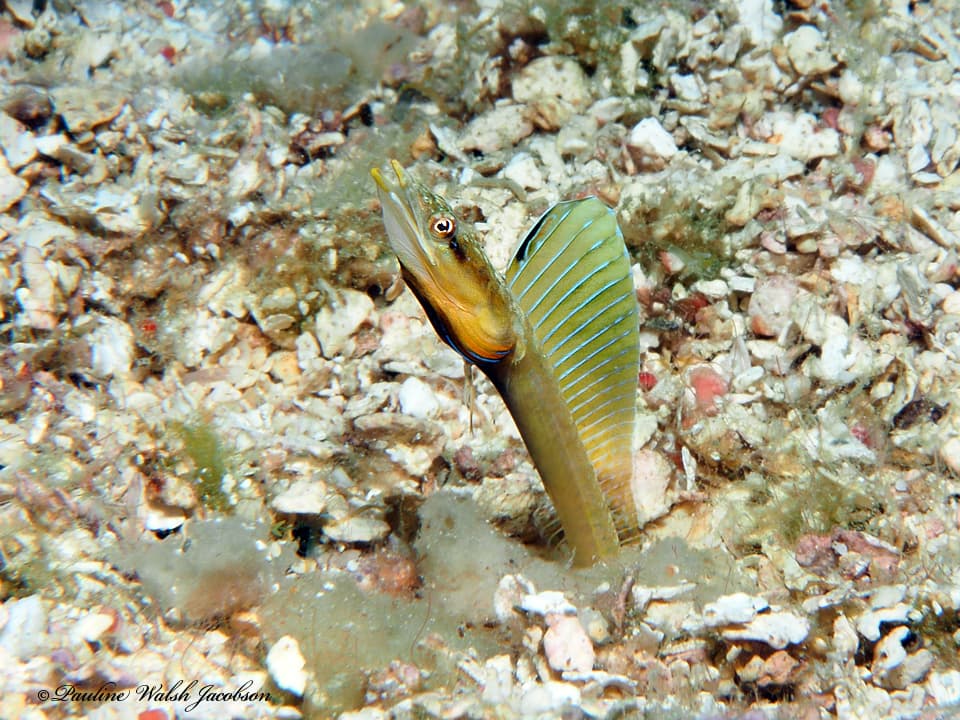
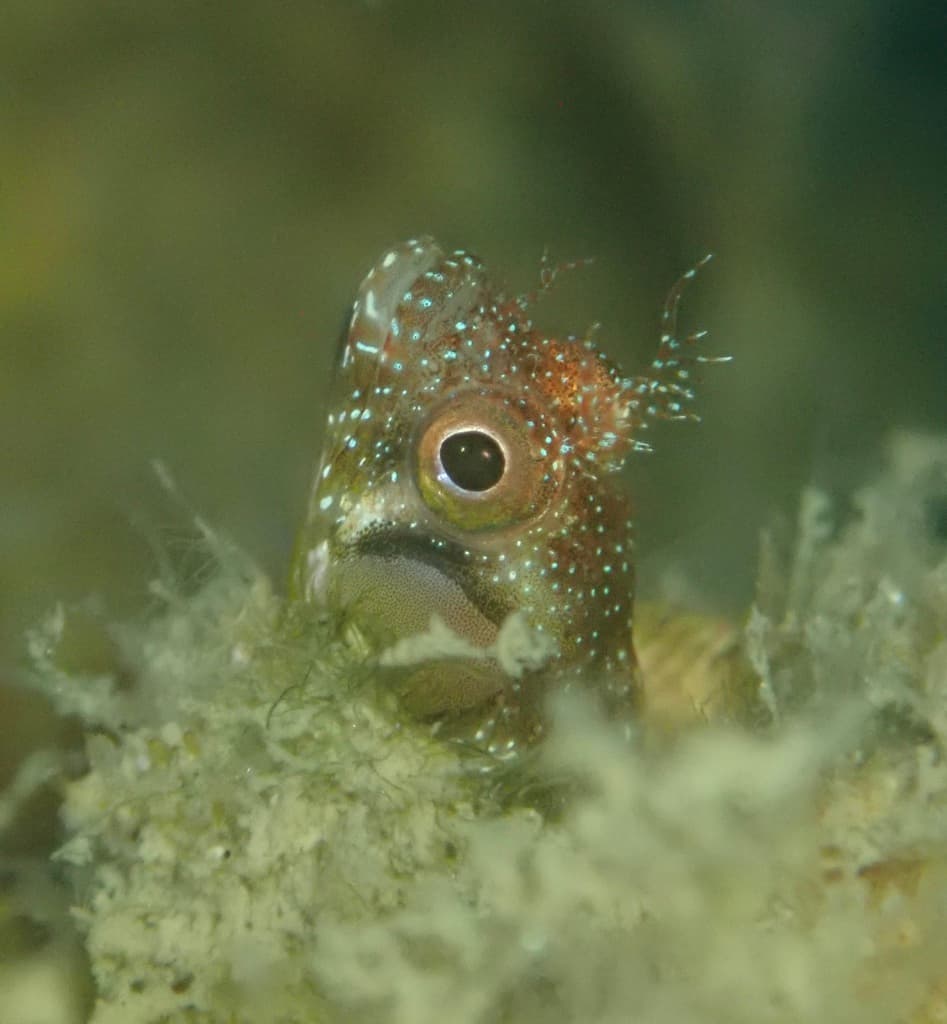
The Browncheek Blenny is a tiny, charismatic tube-dwelling blenny native to the Eastern Pacific, found primarily in the warm waters of the Gulf of California. Named for the distinctive brown patches on its cheeks, this diminutive species reaches only about 1.5 inches in maximum length, making it one of the smallest fish commonly available for marine aquariums.
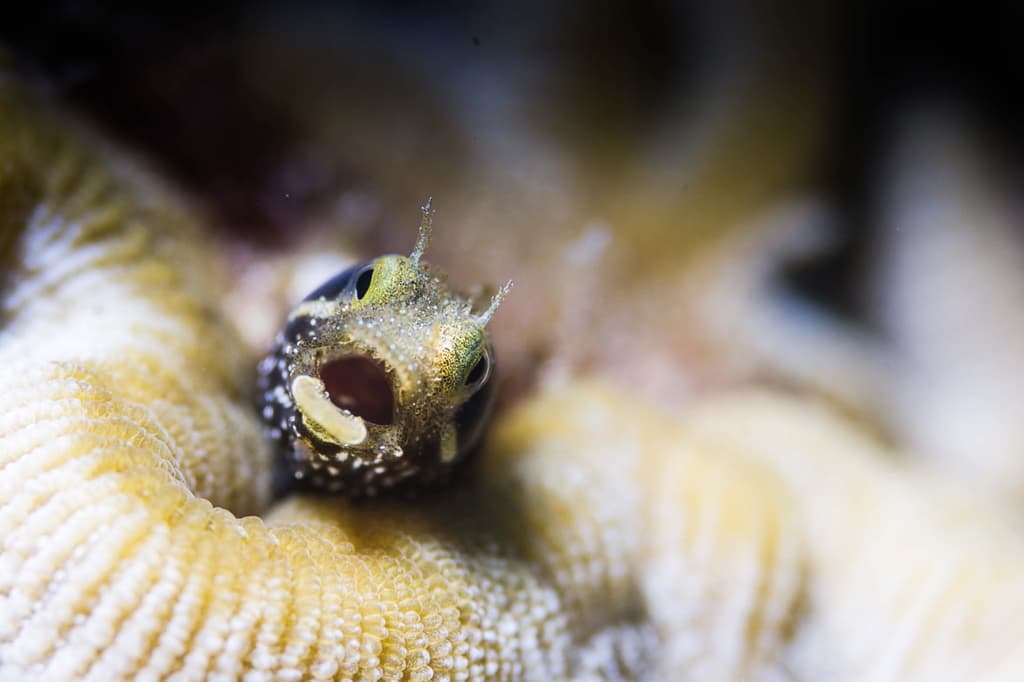
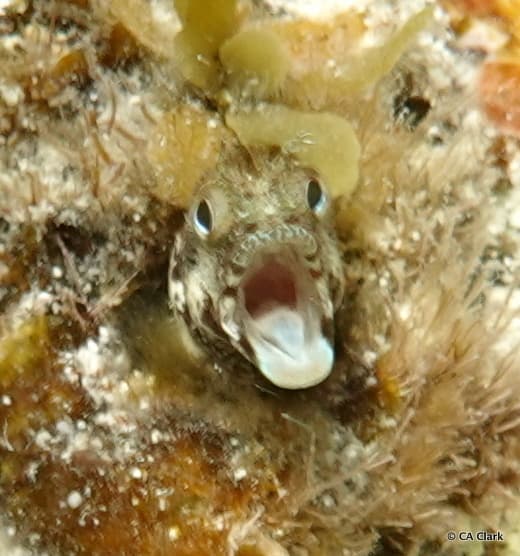
Like its Caribbean relatives in the genus Acanthemblemaria, the Browncheek Blenny lives inside empty worm tubes, barnacle shells, and small holes in rock and coral. It spends most of its time with just its head protruding from its shelter, using its large, alert eyes to watch for passing zooplankton. When a food item drifts within range, the blenny strikes with lightning speed before retreating back into its protective tube.
The Browncheek Blenny is an excellent candidate for nano reef aquariums and dedicated small marine systems. It is completely reef-safe and peaceful toward other species, though it may squabble mildly with other tube-dwelling blennies over preferred shelter sites. The main challenge in its care is ensuring adequate food delivery, as its sedentary nature and small size mean it can easily be overlooked during feeding time. Target feeding near its chosen tube is highly recommended.
Feeding & Diet
Carnivore
The Browncheek Blenny is a micro-predator that feeds on tiny zooplankton and copepods drifting past its tube shelter. In captivity, offer finely chopped frozen mysis shrimp, enriched baby brine shrimp, cyclops, and live copepods. Target feeding near the blenny's tube opening ensures it receives adequate nutrition. Feed two to three times daily with small, appropriately sized portions.
Compatibility
reef-safepeacefulnano-fishcommunity-safe
The Browncheek Blenny is entirely peaceful and compatible with other small, non-aggressive reef fish. It may mildly compete for tube-dwelling spaces with other tube blennies. Its tiny size makes it vulnerable to predation by larger fish. Best kept with other nano-appropriate species such as small gobies, dartfish, and ornamental shrimp.
Check CompatibilityBreeding
Difficult
Browncheek Blennies are egg-layers that deposit eggs inside their tube shelters. The male guards the clutch until hatching. Males are generally slightly larger with more developed head cirri. Captive breeding has been documented but remains challenging due to the tiny size of the larvae.
Special Requirements
- Provide empty barnacle shells or small tubes in rockwork
- Target feeding near tube opening is essential
- Best suited for nano reef setups
- Avoid large or boisterous tankmates
- Well-established aquarium with live copepod population preferred
Water Parameters
Temperature72–80°F
Specific Gravity1.02–1.026 sg
pH8.1–8.4
Alkalinity8–12 dKH
Coloration
browntangray
Tags
reef-safepeacefulnano-fishcommunity-safe