IntermediateSemi-AggressiveReef Safe with Caution
Fisher's Angelfish
Centropyge fisheri
Family: Pomacanthidae · Dwarf Angelfish
Also known as: Fisher's Pygmy Angelfish, Fisher's Angel, Orange Angelfish
(c) uwkwaj, some rights reserved (CC BY-NC)
Max Size
3"
Min Tank
55 gal
Lifespan
5-8 years
Origin
Hawaii, Central Pacific
Diet
Omnivore
Swims
Middle
About
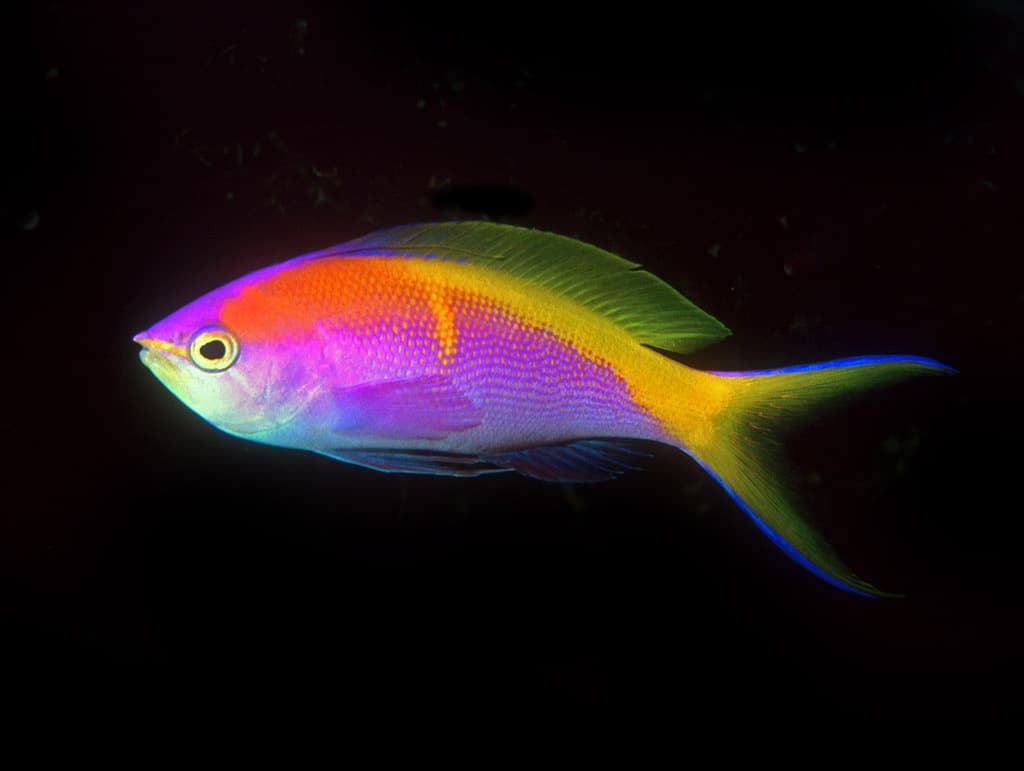
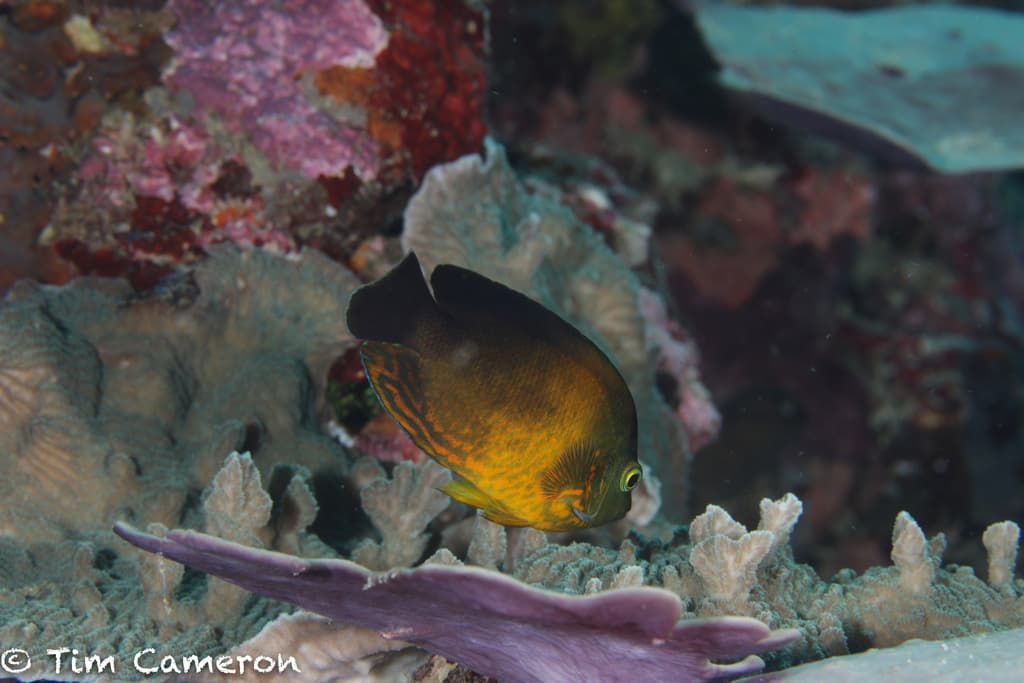
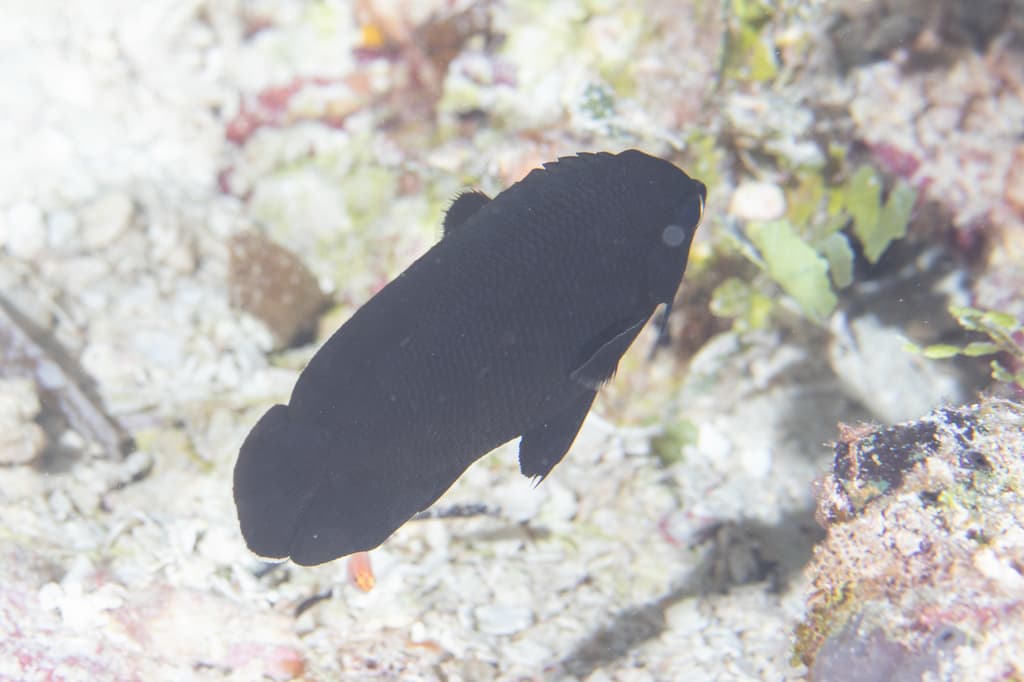
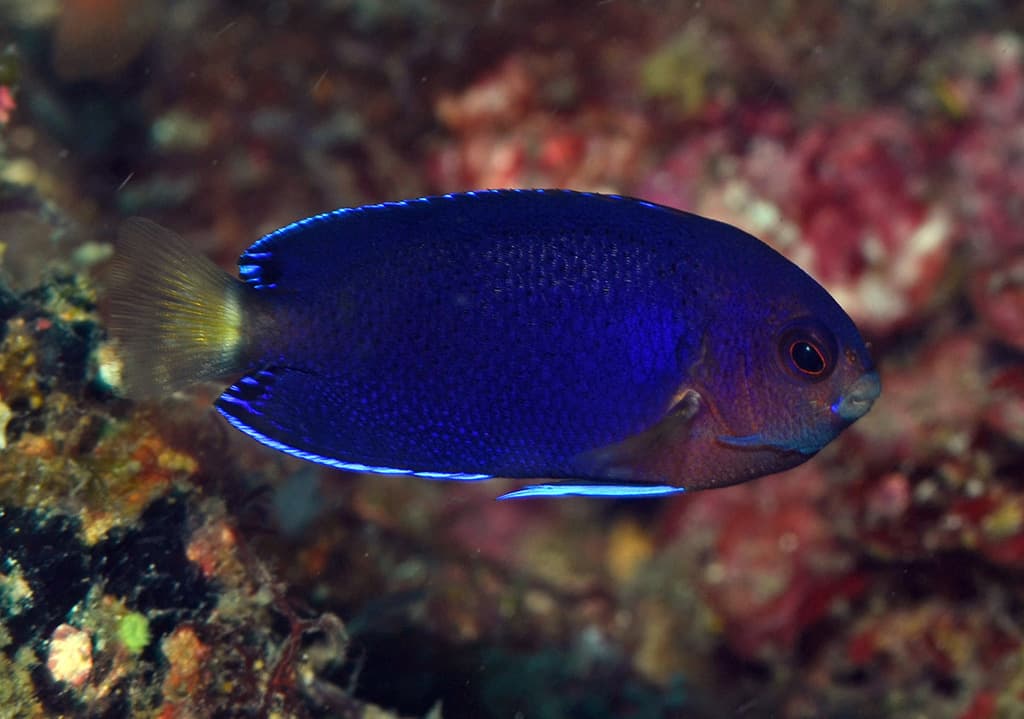
Fisher's Angelfish is a charming dwarf angelfish native to the Hawaiian Islands and surrounding Central Pacific waters. It features a warm orange body with faint blue highlights along the edges of its dorsal and anal fins, giving it a subtle yet appealing appearance. Though not as flashy as some of its Centropyge relatives, this species is valued for its Hawaiian origin and relatively manageable care requirements.
In the wild, Fisher's Angelfish inhabits rocky reef slopes and rubble zones at moderate depths, typically between 10 and 60 meters. It is commonly found in small groups picking at algae and tiny organisms growing on rock surfaces. As a Hawaiian endemic species, it has a limited natural range, which contributes to its desirability among collectors who appreciate regional fish.
Fisher's Angelfish adapts reasonably well to captive conditions, especially when introduced to a well-established aquarium with mature live rock. It can be somewhat shy initially but becomes more confident once acclimated. As with most dwarf angelfish, there is a risk of coral nipping in reef aquariums, though this species is generally considered one of the less likely offenders within the genus.
Feeding & Diet
Omnivore
Fisher's Angelfish are omnivores that feed on microalgae, sponges, and small invertebrates in the wild. In captivity, provide spirulina-enriched flakes or pellets, frozen mysis shrimp, enriched brine shrimp, and angelfish preparations. Supplement with nori seaweed sheets and ensure ample live rock for natural grazing behavior.
Compatibility
reef-cautionsemi-aggressivecommunity-compatiblecoral-nipper-risk
Fisher's Angelfish is semi-aggressive and may show territorial behavior toward other dwarf angelfish. It coexists well with clownfish, tangs, wrasses, gobies, and other community fish. Avoid pairing with overly aggressive tank mates that may intimidate this modestly sized species.
Check CompatibilityBreeding
Very Difficult
Fisher's Angelfish are protogynous hermaphrodites that spawn at dusk in the water column. Captive breeding has not been achieved on a commercial scale. Larval rearing of Centropyge species remains an ongoing challenge for aquaculture researchers.
Special Requirements
- Established aquarium with mature live rock for grazing
- Hawaiian endemic — may command higher prices due to limited collection area
- May be shy initially — provide ample hiding spots
- Keep only one dwarf angelfish per tank unless system is very large
- Monitor for coral nipping in reef setups
Water Parameters
Temperature72–80°F
Specific Gravity1.02–1.026 sg
pH8.1–8.4
Alkalinity8–12 dKH
Coloration
orangeblue
Tags
reef-cautionsemi-aggressivecommunity-compatiblecoral-nipper-risk