ExpertSemi-AggressiveReef Safe with Caution
Debelius Angelfish
Centropyge debelius
Family: Pomacanthidae · Dwarf Angelfish
Also known as: Blue Mauritius Angelfish, Debelius' Pygmy Angelfish, Indian Ocean Pygmy Angelfish
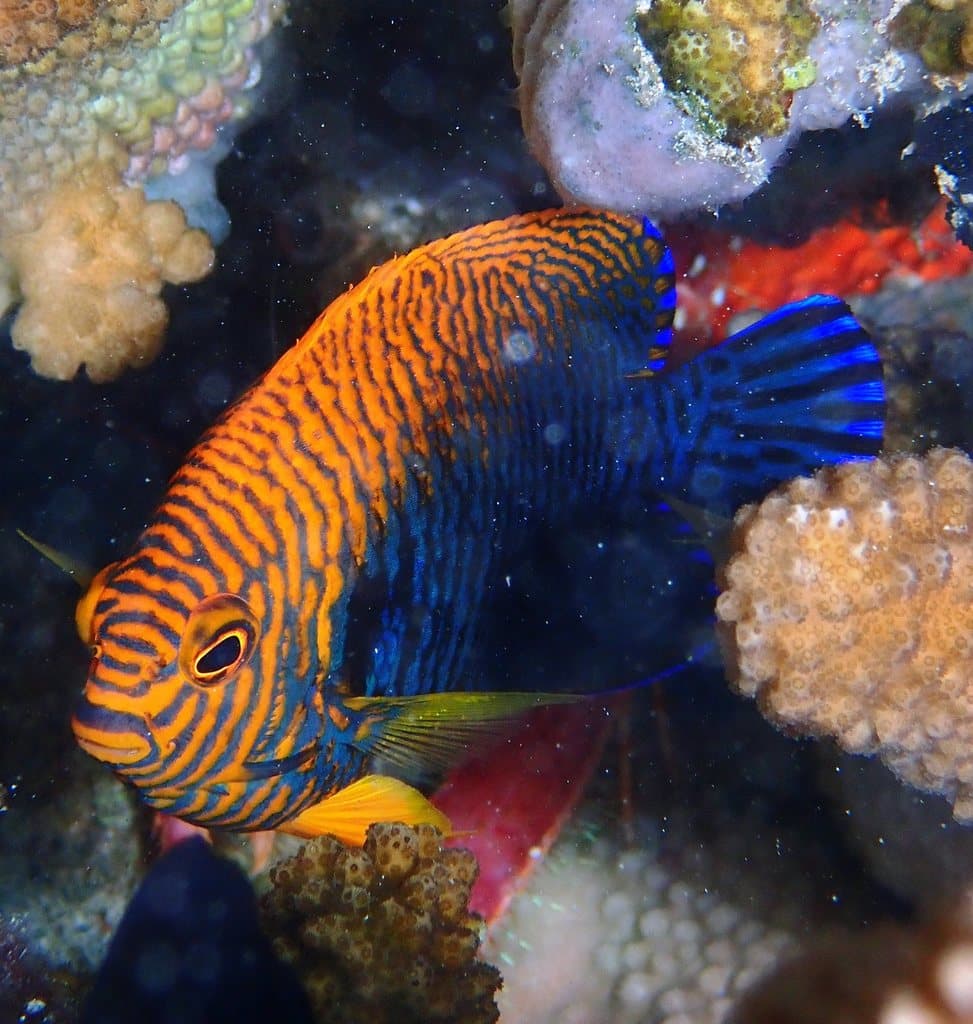
(c) pgkaestner, some rights reserved (CC BY-NC)
Max Size
3"
Min Tank
55 gal
Lifespan
5-10 years
Origin
Western Indian Ocean, Mauritius
Diet
Omnivore
Swims
Middle
About
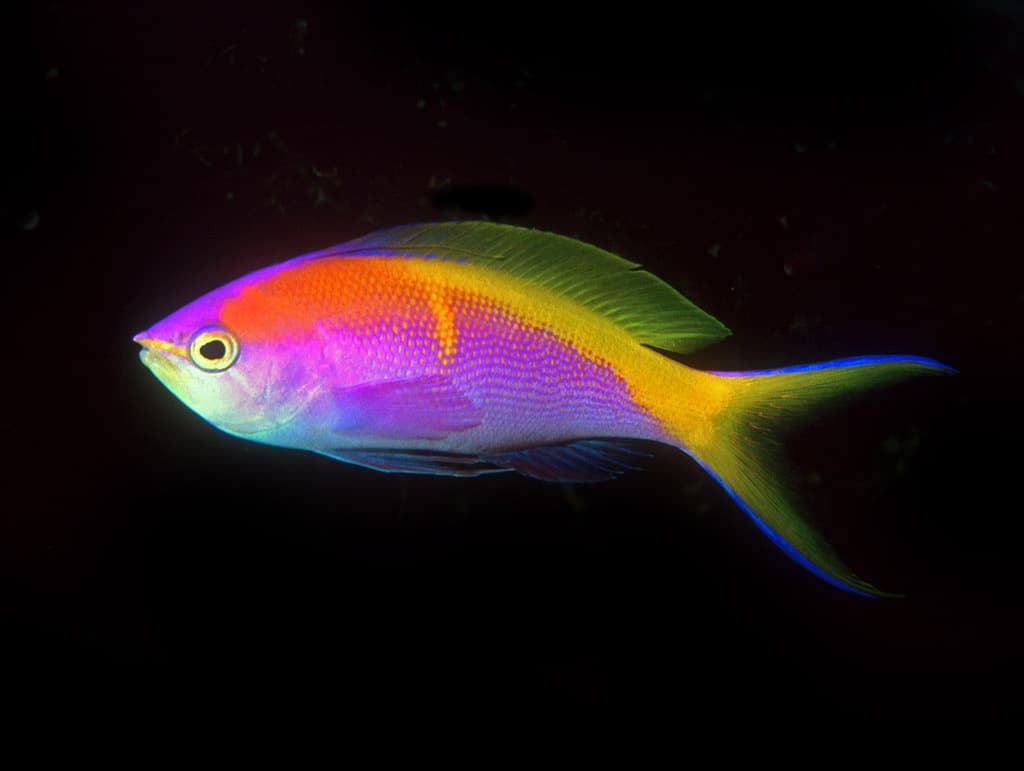
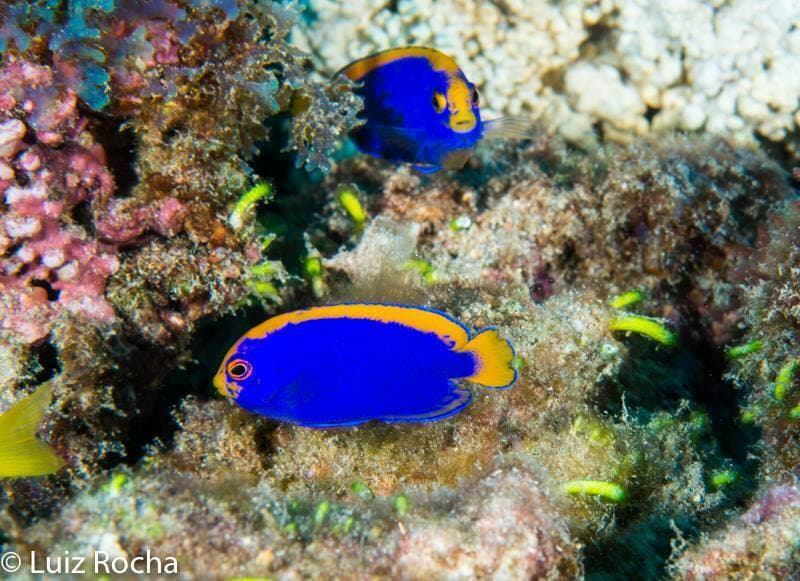
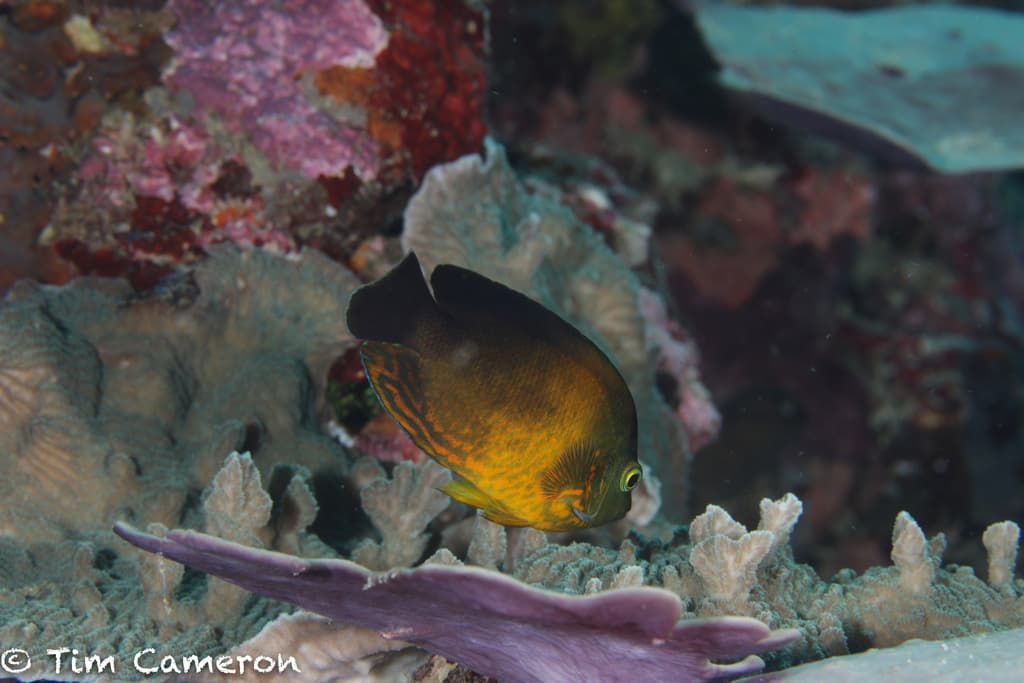
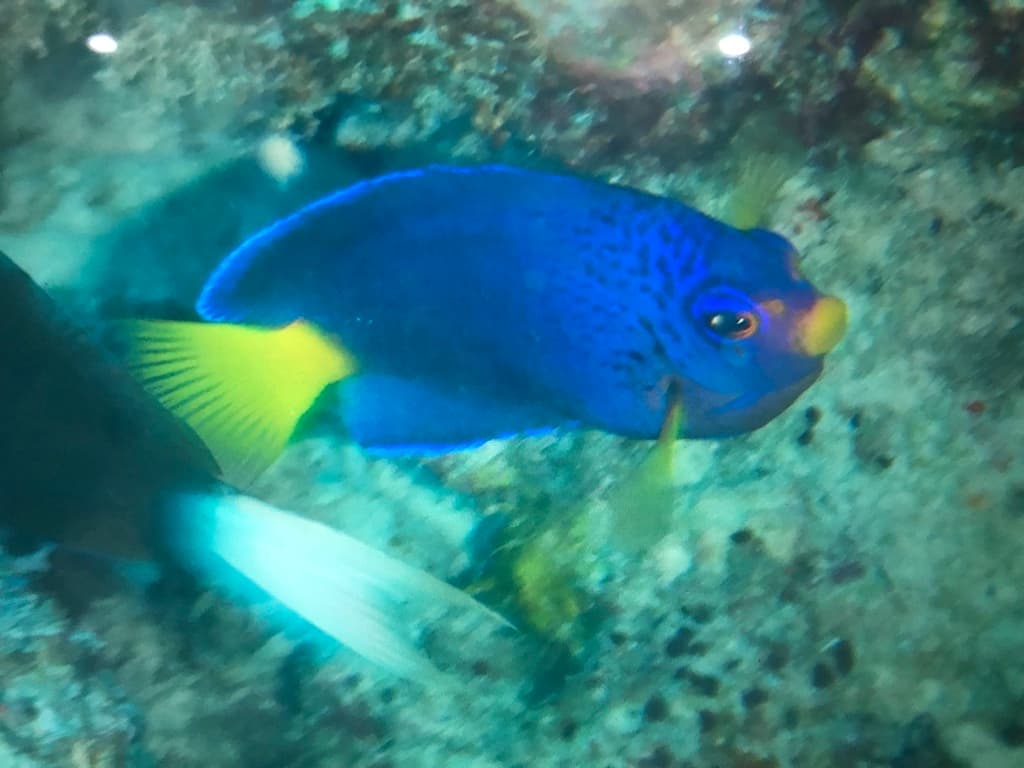
The Debelius Angelfish is one of the most elusive and coveted dwarf angelfish in the marine aquarium hobby. Named after the renowned ichthyologist Helmut Debelius, this deepwater species displays a striking coloration of rich orange to reddish-orange on the body with electric blue margins on the dorsal and anal fins, and a vivid blue ring around the eye. Its relatively plain body shape belies the intensity of its colors, which become even more pronounced under proper aquarium lighting.
In the wild, the Debelius Angelfish inhabits deep reef slopes and rubble zones in the Western Indian Ocean, primarily around Mauritius and Reunion Island, at depths typically ranging from 50 to 120 meters. This extreme depth preference historically made collection very difficult and specimens extraordinarily expensive. However, the advent of captive breeding programs has made this species more accessible to dedicated aquarists, though it remains a premium fish in the trade.
Keeping the Debelius Angelfish requires expert-level husbandry. As a deepwater species, it prefers subdued lighting and cooler water temperatures compared to shallow-water reef fish. A well-established aquarium with mature live rock providing ample hiding places is essential. Initial acclimation can be challenging, and patience during the feeding training period is critical. Once settled, captive-bred specimens tend to be hardier and more readily accept prepared foods than their wild-caught counterparts.
Feeding & Diet
Omnivore
Debelius Angelfish are omnivores that feed on sponges, tunicates, microalgae, and small benthic invertebrates in the wild. In captivity, offer sponge-based angelfish preparations, spirulina-enriched foods, frozen mysis shrimp, and enriched brine shrimp. Captive-bred specimens typically accept prepared foods more readily. Provide ample live rock for natural grazing between feedings.
Compatibility
reef-cautionsemi-aggressivecommunity-compatiblecoral-nipper-riskrare-species
The Debelius Angelfish is semi-aggressive and territorial toward other dwarf angelfish. It generally coexists well with clownfish, tangs, wrasses, and other non-competing community fish. Avoid housing with overly aggressive or boisterous species that may stress this sensitive deepwater fish.
Check CompatibilityBreeding
Very Difficult
The Debelius Angelfish has been successfully captive bred, most notably by specialty breeders working with deepwater Centropyge species. Like other members of the genus, it is a protogynous hermaphrodite and pelagic spawner. Captive-bred specimens are increasingly available and tend to be hardier than wild-caught individuals.
Special Requirements
- Deepwater species — prefers subdued lighting and cooler temperatures (70-76F)
- Rare and expensive — captive-bred specimens are more accessible and hardier
- Patient acclimation required — may refuse food initially
- Provide abundant hiding spots and mature live rock
- Keep only one dwarf angelfish per tank unless system is very large
- Well-established aquarium with stable water parameters is essential
Water Parameters
Temperature70–76°F
Specific Gravity1.02–1.026 sg
pH8.1–8.4
Alkalinity8–12 dKH
Coloration
orangered-orangeblue
Tags
reef-cautionsemi-aggressivecommunity-compatiblecoral-nipper-riskrare-species